Bed bugs appear when adult insects or their eggs travel unnoticed into homes via luggage, clothing, furniture, or shared walls. They thrive in cracks near beds and feeding areas, often going undetected until populations grow.
These pests don't live in dirty homes-they exploit any environment with a warm-blooded host nearby. A single female can lay 200-500 eggs in her lifetime, and nymphs mature in about 5 weeks under ideal conditions. Infestations start small but escalate quickly if untreated.
Bed bugs feed on human blood, typically at night. They're drawn to carbon dioxide exhaled during sleep and body heat. After feeding, they retreat to hiding spots-furniture seams, wall cracks, behind baseboards-to digest and reproduce.
Bed bugs don't fly or jump. They crawl and rely on humans or objects to move between locations. The most common routes include:
A study by the National Pest Management Association found that 95% of pest control professionals reported seeing increased bed bug activity in urban housing since 2010. This rise correlates with higher population density and frequent travel.
One real-world example: A college student returned from a semester abroad and brought a suitcase into his dorm room. Within two weeks, four roommates reported bites. Inspection revealed bed bugs in the suitcase's lining and the student's mattress. The infestation spread to adjacent rooms before containment.
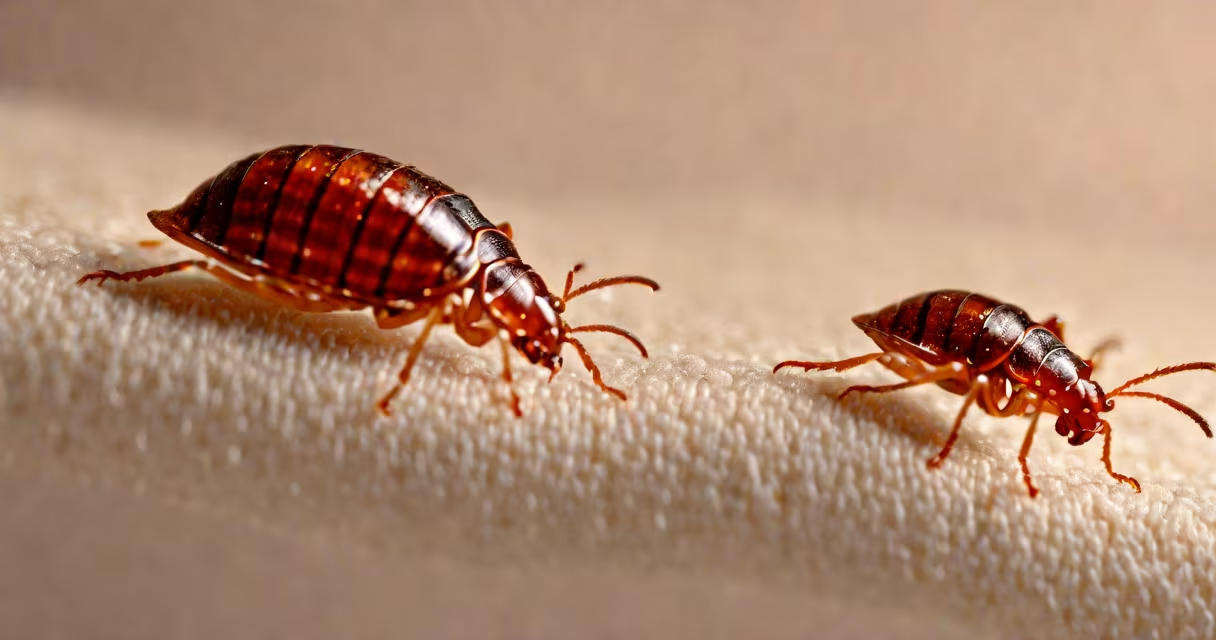
Adult bed bugs are 4-5 mm long, reddish-brown, and oval-shaped. They lack wings and have six legs adapted for crawling. Their mouthparts are specialized for piercing skin and sucking blood.
They go through five nymph stages before becoming adults. Each stage requires a blood meal. Nymphs are translucent and smaller than a pencil eraser. Without feeding, they die within days.
After feeding, bed bugs swell slightly and turn darker red. They can survive up to 12 months without food-long enough to endure transport or storage.
Many assume bed bugs only show up in unclean homes. This is false. The CDC states that bed bugs are not linked to hygiene levels. They're attracted to hosts, not dirt.
Another myth: "I don't have bed bugs because I haven't seen them." But bed bugs hide during the day. They're nocturnal and avoid light. You may see bite marks, dark fecal spots, or shed skins before spotting the bugs themselves.
Also, bed bugs don't infest pets. Unlike fleas, they don't live on animals. They only use pets as temporary transport. A cat carrying a bug in its fur won't host it.
Infestations fall into three categories based on severity:
| Level | Signs | Estimated Population |
|---|---|---|
| Early | Bite patterns, tiny dark specks on sheets, molted skins | 1-10 bugs |
| Moderate | Visible bugs, blood stains on bedding, musty odor | 10-100 bugs |
| Advanced | Large clusters in walls, widespread fecal staining, multiple bites | Over 100 bugs |
Early detection increases success rates. The U.S. Environmental Protection Agency recommends using bed bug monitors-small traps with sticky surfaces and attractants-to detect movement before visible signs appear.
I once used one in a rental apartment after noticing bites. Within 72 hours, it caught three live bugs. Confirming the presence early prevented a full unit infestation.
Preventing bed bugs involves inspecting luggage and clothing after travel. Use hard-shell suitcases and avoid placing bags on the floor in public spaces. When buying used furniture, check seams, joints, and under cushions.
For treatment, professional extermination is most effective. Heat treatments reach 118°F (48°C) throughout a room, killing all life stages. Cold treatments below 0°F (-18°C) for 4 days also work.
Understanding why bed bugs appear starts with recognizing their habits. They don't choose homes randomly-they follow hosts, ride in bags, and hide in tight spaces. Knowing this helps stop infestations before they begin.
Once established, bed bugs require consistent action. Do not ignore early signs. Early intervention reduces cost, time, and emotional stress. The key is acting fast when you notice anything unusual.
Knowing why bed bugs appear helps you take control. renting, awareness prevents problems. Stay alert, inspect carefully, and act promptly if you suspect an infestation.