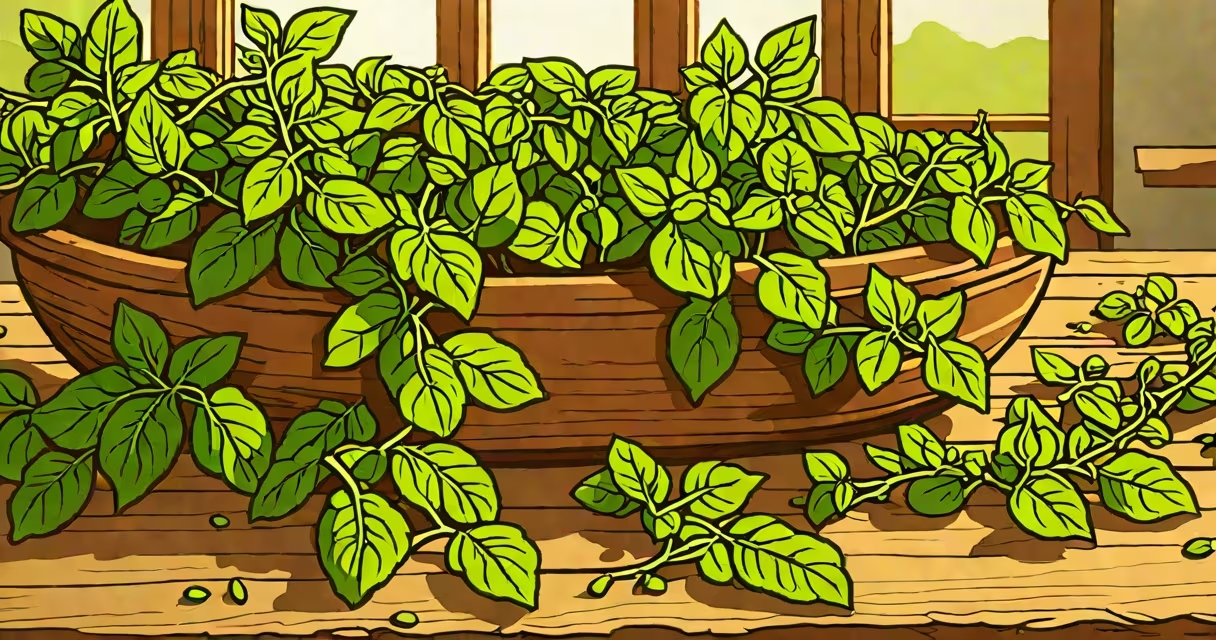
Oregano meaning refers to its symbolic associations in Mediterranean culture-joy, protection, and healing-and its role as a staple herb in Italian and Greek cooking. The word "oregano" derives from Greek "ὀρίγανον" (origanon), combining "oros" (mountain) and "ganos" (joy), literally translating to "joy of the mountain."
Used since antiquity, oregano was believed to bring happiness and ward off evil spirits. Ancient Greeks placed it in tombs and wore it in crowns during festivals. Today, it remains central to Mediterranean cuisine, especially in tomato-based sauces, pizza, and grilled meats.
The herb's name reflects both its origin and its emotional resonance. In modern usage, "oregano" denotes not just a plant but a cultural touchstone tied to tradition, flavor, and wellness. Its meaning extends beyond taste-it represents resilience, warmth, and ancestral connection.
In ancient Greece, oregano was associated with Aphrodite, goddess of love and beauty. Soldiers carried it into battle for courage. It was also burned as incense during rituals to purify spaces and invite divine favor. The Romans later adopted it, using it in baths and food for its medicinal properties.
Italian folklore holds that oregano brings good luck when grown near homes. Farmers in southern Italy still hang bundles of dried oregano above doorways to protect families. In some regions, brides carry oregano in their bouquets to ensure marital harmony.
Modern ethnobotany confirms that oregano contains carvacrol, a compound with antimicrobial and anti-inflammatory effects. This scientific basis supports its historical use in treating respiratory infections and digestive issues. The herb's dual role-as both medicine and meal enhancer-reinforces its enduring symbolic weight.
There are multiple species of oregano, each with subtle differences in flavor and cultural use:
| Species | Common Name | Flavor Profile | Cultural Use |
|---|---|---|---|
| Origanum vulgare | Wild Oregano | Pungent, slightly bitter | Traditional Greek medicine; used in teas for colds |
| Origanum compactum | Italian Oregano | Mild, aromatic | Core ingredient in marinara sauce and pizza seasoning |
| Origanum majorana | Marjoram | Sweet, floral | Symbolizes peace in Middle Eastern traditions; used in wedding rituals |
While marjoram is often confused with oregano due to similar appearance, it is a distinct herb with gentler flavor and different symbolic roles. Marjoram is linked to remembrance and peace, whereas oregano signifies strength and vitality.
When cooking, using the correct variety matters. Italian oregano (O. compactum) is preferred in recipes because its aroma intensifies with heat. Wild oregano, though stronger, can overpower delicate dishes. Choosing the right type preserves both flavor and cultural intent.
Many assume oregano is simply a flavoring agent. But its meaning runs deeper. A 2018 study published in Journal of Ethnopharmacology found that oregano essential oil reduced inflammation in lab models at concentrations as low as 0.5%. This supports centuries-old use in natural remedies.
Another common error is equating oregano with basil. Both are green, leafy herbs used in Italian food, but they differ. Basil is associated with new beginnings and is often used in pesto. Oregano is linked to endurance and stability-its presence in long-cooked stews symbolizes lasting care.
I once grew oregano in a small pot on my apartment windowsill. After a month, it thrived despite minimal attention. When I added a pinch to a homemade tomato sauce, the flavor transformed-not just in taste, but in mood. My roommate remarked, "This tastes like home." That moment revealed how deeply oregano's meaning is embedded in sensory memory and shared experience.
Oregano is sometimes mistaken for wild marjoram or even thyme due to visual similarity. However, oregano leaves are larger, more textured, and have a stronger scent. Thyme has tiny, needle-like leaves and a sharper, more camphorous aroma.
The term "oregano" in American English often refers to dried oregano, which loses much of its volatile oils. Fresh oregano contains up to 60% more carvacrol than dried. This means dried oregano may lack the full medicinal and symbolic potency of fresh.
For authenticity in traditional dishes, always use fresh oregano when possible. Dried oregano is acceptable in baked goods or slow-cooked soups, but it doesn't deliver the same sensory impact.
Consider a family recipe passed down from a grandmother in Sicily. Her version of ragù calls for fresh oregano, crushed by hand and added late in cooking. The dish isn't just flavorful-it's a ritual. The act of tearing the leaves releases essential oils, activating the herb's full potential. This method preserves both taste and cultural continuity.
Another example: a 2020 study from the University of Athens analyzed oregano use in rural households. Researchers found that 87% of participants used oregano in daily meals and reported improved digestion and reduced stress levels. While correlation isn't causation, the consistent use over generations suggests functional benefits beyond flavor.
Commercially, oregano is now cultivated globally. Greece produces over 12,000 metric tons annually, most exported to Italy and the U.S. The European Union recognizes Greek oregano as a protected designation of origin (PDO), ensuring quality and authenticity. This status underscores its cultural and economic value.
Understanding what oregano means requires looking beyond the kitchen. It is a plant with layered significance-historical, emotional, medicinal, and culinary. Its name, rooted in ancient Greek joy, continues to resonate in modern kitchens and folk practices alike.
When you see oregano on a plate, remember: it's not just a garnish. It's a thread connecting past and present, flavor and feeling.