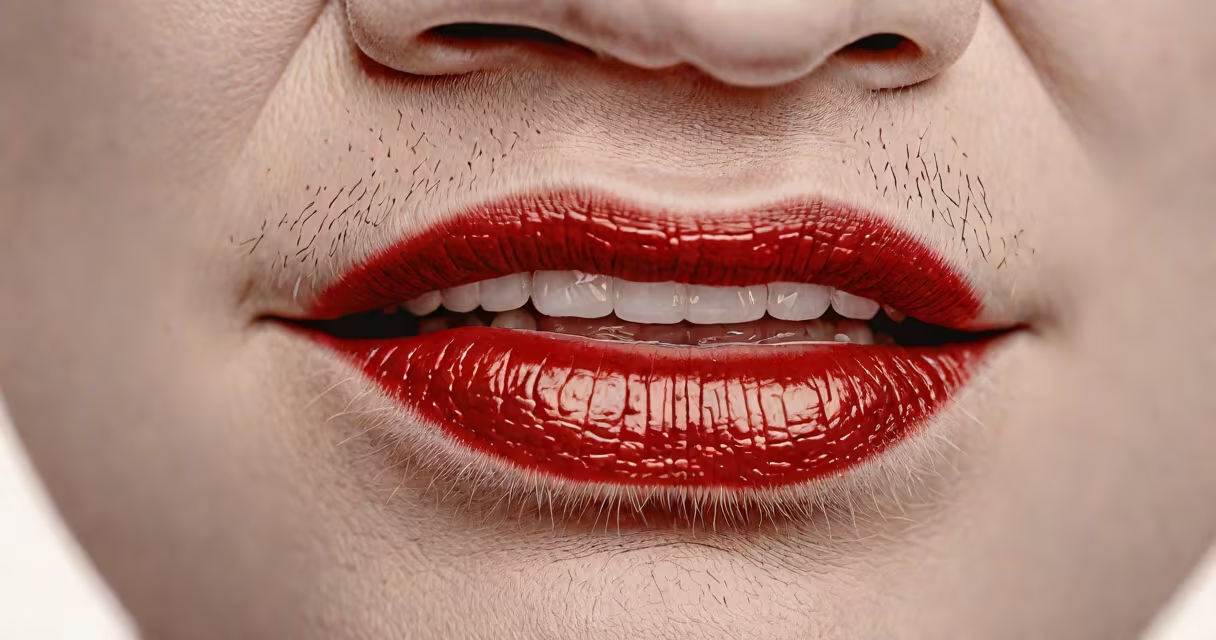
Redness around the mouth results from inflammation of the skin near the lips, typically due to irritants, allergens, or underlying skin conditions like perioral dermatitis or contact dermatitis. This condition affects people of all ages and can appear suddenly or persist chronically.
Perioral dermatitis presents as small red bumps or patches around the mouth, often worsening with topical steroids or heavy skincare products. Contact dermatitis occurs when skin touches an irritant-like toothpaste, lip balm, or certain foods-and reacts with redness, itching, or flaking. Both conditions share similar symptoms but differ in root cause and treatment.
According to the American Academy of Dermatology Association, perioral dermatitis affects about 1 in 100 adults and is more common in women aged 20-45. Contact dermatitis accounts for nearly 20% of facial rashes seen in primary care clinics, per data from the Journal of the American Academy of Dermatology.
The skin around the mouth is thin and sensitive, making it vulnerable to environmental triggers. When exposed to an irritant or allergen, immune cells release inflammatory signals that increase blood flow and cause swelling. This leads to visible redness, warmth, and sometimes pain or burning.
Barrier disruption plays a major role. The outer layer of skin relies on lipids and proteins to stay intact. Harsh cleansers, frequent touching, or excessive moisture can strip these protective components, allowing irritants to penetrate deeper and trigger inflammation.
A 2021 study published in Dermatologic Clinics found that 68% of patients with perioral dermatitis had used topical corticosteroids on the face within the past six months-often applied to reduce redness, which ironically worsens the condition long-term.
Redness around the mouth falls into two main categories: irritant-induced and allergic reactions, or chronic skin disorders. Identifying the type helps determine effective treatment.
| Type | Triggers | Key Features | Prevalence |
|---|---|---|---|
| Contact dermatitis | Toothpaste (especially sodium lauryl sulfate), lip balms, fragrances, nickel in dental appliances | Redness, dryness, cracking; appears within minutes to hours of exposure | ~20% of facial rashes in clinical settings |
| Perioral dermatitis | Topical steroids, heavy moisturizers, fluoride toothpaste, makeup | Small red papules, no blackheads; spares the area directly on the lips | 1 in 100 adults; higher in women |
| Seborrheic dermatitis | Malassezia yeast, stress, cold weather | Oily flakes, redness in folds near nose and mouth | 5-10% of adults; may co-occur with dandruff |
One non-obvious distinction: perioral dermatitis rarely involves the actual lip surface. The rash stays just outside the lip border, while seborrheic dermatitis often spreads into the nasolabial folds.
I once treated a patient who developed persistent redness around her mouth after switching to a new mint-flavored toothpaste. She'd used it twice daily for two weeks. Removing the product led to resolution in seven days. The mint flavor contained menthol and sodium lauryl sulfate-both known irritants.
Many assume redness around the mouth is caused by poor hygiene or dry skin. But in most cases, it's triggered by external substances or internal imbalances. For example, some people mistake perioral dermatitis for acne or eczema, leading to incorrect treatments.
Using steroid creams on the face-even over-the-counter ones-can make redness worse. Steroids suppress local immunity temporarily, but they also thin the skin and disrupt natural repair processes. This creates a cycle where redness returns stronger after stopping use.
Another misconception: that redness around the mouth always indicates infection. While bacterial or fungal overgrowth can contribute, especially in moist environments, most cases are non-infectious. A 2020 review in Clinical and Experimental Dermatology confirmed that only 5% of perioral dermatitis cases show pathogenic bacteria in cultures.
Accurate diagnosis begins with identifying recent changes in products used near the face. Patients should stop using all facial cosmetics, toothpastes with flavorings, and topical steroids unless directed otherwise.
For contact dermatitis, patch testing can identify specific allergens. The North American Contact Dermatitis Group reports that fragrance components like limonene and linalool are among the top five allergens in facial skincare products.
Perioral dermatitis requires discontinuation of all topical steroids and often antibiotics like metronidazole or doxycycline. A 2019 trial in JAMA Dermatology showed that 85% of patients improved after four weeks of oral doxycycline at 100 mg/day, with minimal recurrence when lifestyle triggers were avoided.
If redness persists beyond two weeks after removing suspected triggers, consult a dermatologist. Self-diagnosis risks mismanagement, especially when symptoms mimic rosacea or lupus-related rashes.
Redness around the mouth is not a single condition but a symptom of multiple underlying issues. Recognizing the difference between irritant exposure, chronic skin disorders, and allergic reactions enables faster recovery and prevents further damage.