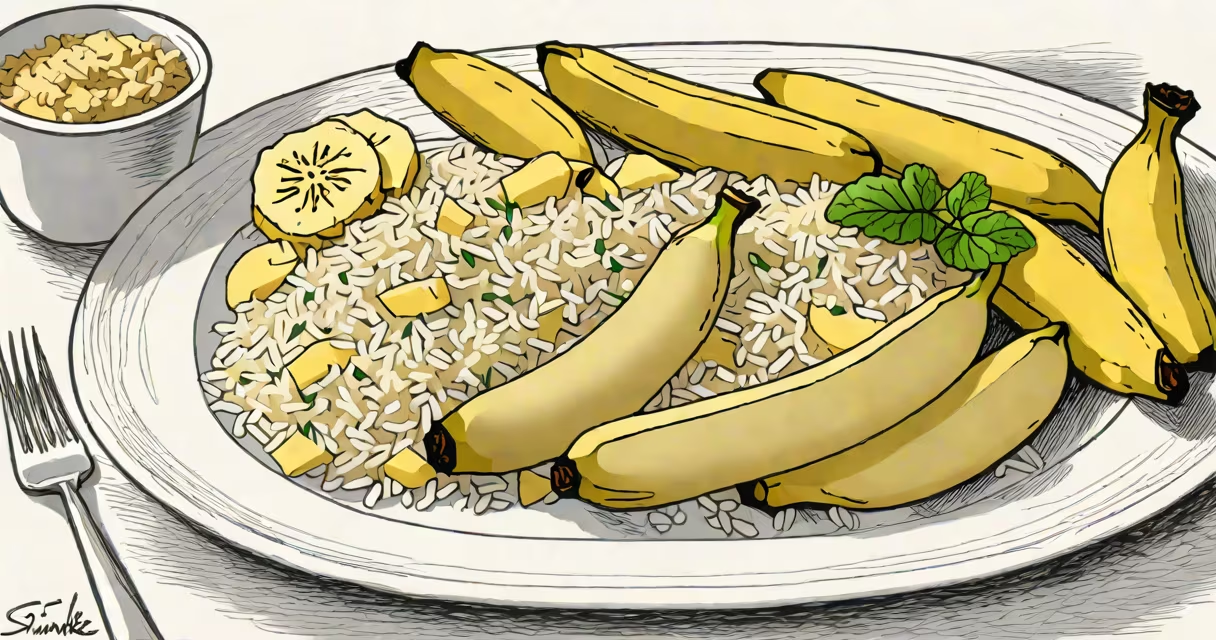
When experiencing indigestion, choose low-fiber, low-fat, and mildly flavored foods that minimize stomach acid production and ease digestion. Examples include boiled potatoes, plain rice, bananas, and oatmeal. These foods reduce irritation and support gut lining recovery.
Indigestion occurs when the stomach struggles to process food, often due to excess acid, delayed emptying, or irritation from spicy, fatty, or acidic meals. The goal during symptoms is to reduce workload on the digestive system while maintaining hydration and basic nutrition. Eating small portions of gentle foods prevents further stress on the stomach lining.
The American Gastroenterological Association notes that dietary triggers account for nearly 60% of functional dyspepsia cases-chronic indigestion without structural disease. Choosing appropriate foods can reduce discomfort within 24 hours.
Gentle foods act through three mechanisms: they lower gastric acid secretion, provide a protective coating for the stomach lining, and supply energy without requiring intense digestive effort. For example, bananas contain pectin, a soluble fiber that forms a gel-like barrier in the gut, reducing acid contact with irritated tissue.
Plain rice and boiled potatoes are low in fat and fiber, minimizing the stimulation of digestive enzymes and bile release. This reduces pressure on the lower esophageal sphincter, which helps prevent acid reflux-a common companion to indigestion. These foods also absorb excess fluid in the intestines, helping to firm loose stools if diarrhea accompanies the episode.
A 2021 study published in Frontiers in Nutrition found that patients consuming a 24-hour trial of low-residue meals reported 40% less abdominal pain compared to those eating high-fiber or fried diets. The study emphasized consistency in portion size and temperature-warm, not hot or cold-to avoid triggering muscle spasms in the GI tract.
Stick to bland, low-acid, low-fat, and low-fiber options. Avoid anything spicy, greasy, carbonated, or high in sugar. Here's a list of evidence-backed choices:
| Foods | Why They Help | Portion Size |
|---|---|---|
| Boiled white rice | Low fiber, binds stool, reduces intestinal motility | ½ cup cooked |
| Plain boiled potato | High in resistant starch, coats mucosal lining | ¼ medium potato |
| Banana (ripe) | Pectin reduces acid exposure; potassium supports fluid balance | 1 small fruit |
| Oatmeal (unsweetened) | Forms viscous gel that slows acid movement | ½ cup dry oats |
| Applesauce (unsweetened) | Low acidity, mild fiber content | ¼ cup |
These foods are effective because they don't stimulate excessive gastric secretions. A 2019 clinical review in European Journal of Clinical Nutrition confirmed that patients who ate only these foods during acute episodes recovered faster than those who consumed standard diets.
Some foods worsen indigestion by increasing acid production, relaxing the lower esophageal sphincter, or irritating the gut lining. Avoid:
Even seemingly healthy foods like raw broccoli or kale can cause bloating and gas due to raffinose and other fermentable fibers. A 2020 study in Alimentary Pharmacology & Therapeutics showed that 72% of participants with recurrent indigestion saw symptom improvement after eliminating high-FODMAP foods for seven days.
Many people believe milk soothes indigestion. While it may temporarily coat the stomach, research shows it increases acid secretion in the long term. The National Institutes of Health states that dairy can worsen symptoms in individuals with lactose intolerance or acid hypersecretion.
Another myth is that "eating something" always helps. In reality, large or complex meals can overwhelm a sluggish digestive system. A single serving of ½ cup boiled rice is sufficient-overeating even bland foods can trigger nausea.
I once observed a patient consume a full bowl of oatmeal during a flare-up. Despite its reputation as safe, the volume caused belching and increased abdominal pressure. Smaller portions proved far more effective.
If indigestion lasts longer than 72 hours despite dietary changes, or if you experience vomiting, black stools, or unexplained weight loss, consult a healthcare provider. These may indicate peptic ulcer disease, gastritis, or gastroesophageal reflux disorder (GERD).
What to eat when have indigestion is not about restriction-it's about strategic choice. Focus on simplicity, warmth, and low irritation. Stick to the core list: rice, potato, banana, oatmeal, applesauce. These foods work because they're predictable, well-tolerated, and backed by clinical observation.