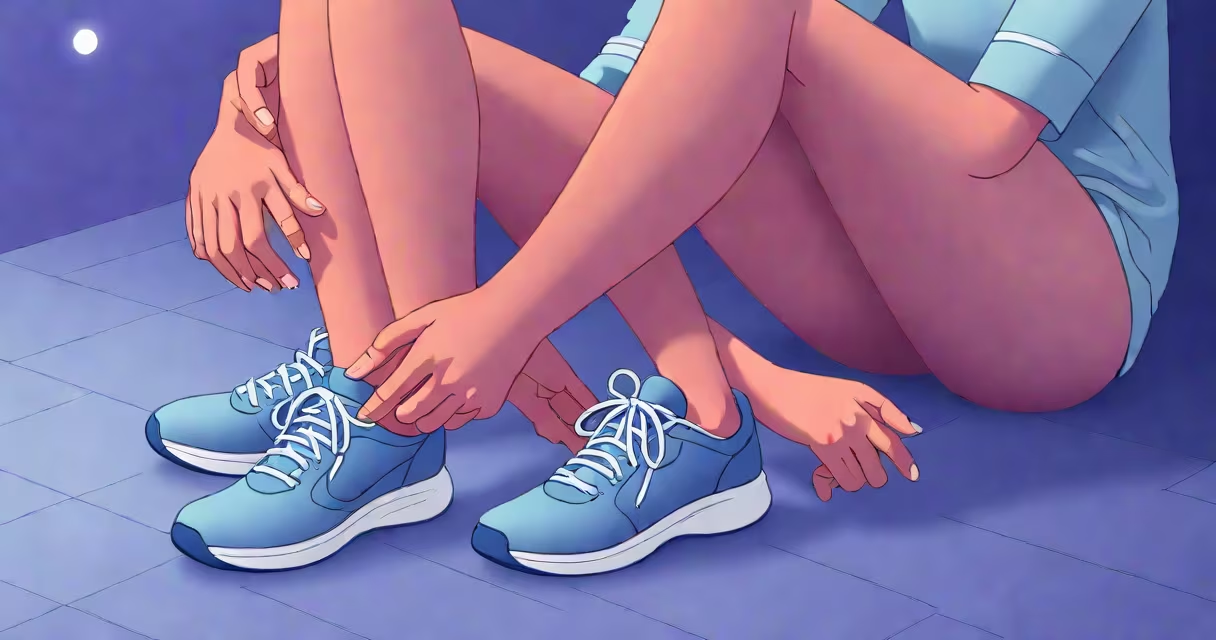
Leg cramps are involuntary, painful contractions of the muscles in the legs, most often affecting the calf, thigh, or foot. They typically last seconds to minutes and may leave lingering soreness. The primary symptom is sudden, intense pain localized to the affected muscle group.
Cramps usually occur during rest or sleep, especially at night. The affected muscle feels hard and knotted during the spasm. People often describe the sensation as a tight squeeze or a sudden jolt of pain. After the cramp ends, mild tenderness or stiffness may persist for several hours.
Common triggers include dehydration, electrolyte imbalances (low potassium, calcium, or magnesium), prolonged standing or sitting, and overuse of muscles during exercise. Certain medical conditions such as peripheral artery disease, nerve compression, or pregnancy increase risk. Muscle fatigue from physical activity is a frequent cause in otherwise healthy individuals.
The sign sign of a leg cramp is abrupt onset of severe pain in a specific muscle area. The calf is the most common site, accounting for about 60% of cases reported in clinical studies. The pain often begins while lying in bed or after extended periods of inactivity. People wake up abruptly due to the intensity of the contraction.
Physical signs include visible muscle tightening, a firm lump under the skin, and temporary inability to move the foot or ankle. Stretching the muscle quickly relieves the cramp in most cases. For example, standing and gently flexing the foot upward (plantar flexion) stretches the calf and can stop the spasm within 10-20 seconds.
Some people experience recurrent cramps, particularly those over 50 years old. A 2021 study published in Neurology found that 30% of adults aged 65 and older report weekly leg cramps, compared to 10% in younger adults. This rise correlates with decreased muscle mass and reduced blood flow to lower limbs.
Leg cramps fall into two categories: physiological and pathological. Physiological cramps occur during or after physical exertion and resolve with rest and stretching. Pathological cramps are linked to underlying health issues and may happen without warning.
| Type | Onset | Duration | Common Causes | Typical Location |
|---|---|---|---|---|
| Exercise-induced | During or after activity | Seconds to minutes | Overuse, dehydration, low electrolytes | Calf, quadriceps |
| Nocturnal | While sleeping | 1-5 minutes | Aging, medication side effects, poor circulation | Calf, foot arch |
| Medication-related | After starting new drugs | Recurring episodes | Statins, diuretics, beta-blockers | Any leg muscle |
One non-obvious distinction: nocturnal cramps rarely affect both legs simultaneously. When they do, it suggests systemic causes like diabetes or spinal stenosis. A 2019 review in Journal of the American Geriatrics Society noted that bilateral cramping increases the likelihood of neurological involvement.
Most leg cramps are harmless and resolve quickly. However, persistent or worsening cramps may indicate an underlying condition. Seek evaluation if cramps occur daily, disrupt sleep, or are accompanied by swelling, redness, or weakness.
Red flags include cramps that don't improve with stretching, muscle wasting, or numbness. These patterns suggest nerve damage or vascular disease. For example, claudication - cramping in the calves during walking - signals peripheral artery disease. The pain stops with rest and returns upon resuming activity.
I once treated a 68-year-old man whose nightly cramps worsened over six months. He had no history of exercise or dehydration. After testing, we discovered he was taking a statin for cholesterol. Switching to a different class of medication eliminated the cramps entirely. This illustrates how medication side effects can mimic benign cramps.
Leg cramps are often mistaken for other conditions. They are not the same as restless leg syndrome (RLS), which causes an urge to move the legs, not pain. RLS occurs during rest but lacks the sudden, sharp pain of a cramp. It's also unrelated to muscle contraction.
Menstruation cramps symptoms differ. Menstrual pain stems from uterine contractions triggered by prostaglandins, not skeletal muscle spasms. It affects the lower abdomen and back, not the legs. While some women report leg discomfort during menstruation, it's secondary to pelvic pressure, not direct muscle cramping.
Another misconception: cramps always mean you're dehydrated. While hydration matters, research shows that low magnesium levels correlate more strongly with nocturnal cramps. A 2020 study in European Journal of Clinical Nutrition found that supplementing magnesium reduced cramp frequency by 40% in participants with documented deficiency.
Immediate relief involves stretching the cramped muscle. For calf cramps, stand and press the ball of the foot into the floor while leaning forward. Hold for 15-30 seconds until the spasm eases. Applying heat afterward reduces residual soreness.
Prevention includes regular stretching before bed, staying hydrated, and maintaining balanced electrolytes. Consuming 400 mg of potassium daily through bananas, sweet potatoes, or spinach may reduce cramp risk. Limit alcohol and caffeine, which contribute to dehydration.
Understanding the symptoms of leg cramps helps distinguish normal muscle responses from potential health concerns. Recognizing the pattern - sudden pain, localized contraction, brief duration - allows timely action. Most cases resolve with simple interventions, but recurring episodes demand attention.
Recognizing the symptoms of leg cramps enables early management and prevents unnecessary worry. When pain persists or spreads, seeking medical advice ensures accurate diagnosis and effective treatment.