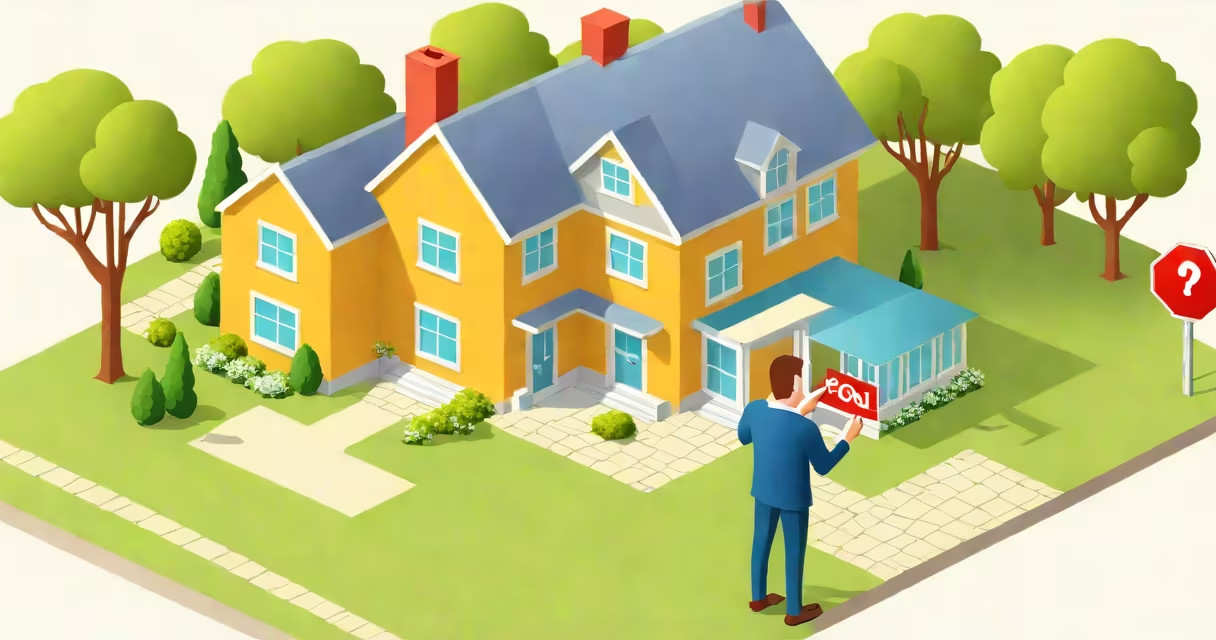
People who sell houses are called real estate agents or realtors. They act as licensed intermediaries between buyers and sellers, managing listings, marketing properties, negotiating offers, and guiding clients through the legal and financial steps of closing a sale.
Real estate agents work under a brokerage firm and must pass state-specific licensing exams. Once licensed, they can represent clients in buying or selling homes. Realtors are a subset of agents-they are members of the National Association of Realtors (NAR) and adhere to its Code of Ethics.
A typical transaction involves an agent listing a home for sale, showing it to potential buyers, accepting offers, and coordinating inspections, appraisals, and title transfers. The agent earns a commission-usually 5% to 6% of the sale price-split between the listing agent and the buyer's agent.
When a homeowner wants to sell their house, they typically hire a real estate agent to handle the process. The agent begins by assessing the home's market value using recent comparable sales (comps) in the area. For example, if a three-bedroom home in Austin, Texas, sold last month for $425,000 and has similar square footage and condition, the agent may recommend pricing the new listing at $430,000.
The agent then markets the property through online platforms like Zillow and Realtor.com, schedules open houses, and shows the home to prospective buyers. When an offer comes in, the agent negotiates terms-price, contingencies, closing date-with the buyer's agent. This negotiation often involves multiple counteroffers before both parties agree.
Once an accepted offer is in place, the agent coordinates with lenders, inspectors, and attorneys to ensure all conditions are met. They also prepare the necessary paperwork, including the purchase agreement and disclosures. After the closing, the agent receives their commission, usually split 50/50 with the buyer's agent.
Not all individuals involved in house sales are the same. The roles differ based on specialization and responsibilities.
| Type | Role | Commission Responsibility | Example |
|---|---|---|---|
| Listing Agent | Sells the home on behalf of the seller | Collects commission from the seller | Agent who lists a $500,000 home in Denver |
| Buyer's Agent | Represents the buyer's interests | Receives half of the total commission | Agent who helps a family purchase a home in Seattle |
| Realtor | Member of NAR with ethical standards | Same as agent, but adheres to NAR code | Agent who uses the term "Realtor" in their branding |
| Property Broker | Has advanced license; can manage agents | May earn higher commission or run a brokerage | Broker who owns a real estate firm in Miami |
Some agents specialize in certain types of properties. For example, a luxury real estate agent in Beverly Hills focuses on homes priced above $2 million. Others focus on investment properties, helping landlords find tenants or buy rental units.
Many people assume that anyone who sells a house is a real estate agent. But homeowners can sell their homes independently through a "For Sale By Owner" (FSBO) arrangement. In this case, the seller handles all aspects of the transaction-marketing, showings, negotiations, and closing-without hiring an agent.
However, FSBO sales carry risks. According to the National Association of Realtors, homes sold by owners take 90 days longer on average to sell than those listed with agents. They also tend to sell for 6% less than comparable homes listed with agents. A 2022 NAR report found that 87% of homes sold by agents reached their asking price, compared to only 58% of FSBO homes.
Another misconception is that real estate agents are paid by the buyer. In most cases, the seller pays the agent's commission. The buyer's agent is compensated from the same pool-typically split evenly between the two sides. This structure keeps the buyer's out-of-pocket cost low during the purchase.
I once helped a friend list her home in Portland, Oregon, through a local brokerage. She had owned the house for 12 years and wanted to move to a smaller city. We worked with a licensed agent who took photos, created a virtual tour, and ran targeted ads. Within three weeks, we had five offers. The agent negotiated the final sale at $680,000-$20,000 above her initial asking price. The closing was completed in 45 days. Her agent earned a 3% commission ($20,400), which she paid from the proceeds.
This experience showed me how much time and expertise agents bring to the table. Without their network, marketing tools, and negotiation skills, the sale likely would have taken longer and fetched less money.
While both are licensed professionals, a broker holds a higher level of certification. To become a broker, an agent must complete additional education and pass a more rigorous exam. Brokers can operate their own firms, hire agents, and manage transactions independently.
For example, a broker in Chicago might start a small agency that employs five agents. The broker sets the business model, handles contracts, and oversees training. They may also take a percentage of each agent's commission in exchange for office space, software, and support.
Homeowners don't always need a broker-they typically work with an agent. But if a seller wants to run their own brokerage or manage a team, they must be licensed as a broker.
Using the correct term-"real estate agent" or "realtor"-clarifies responsibilities and expectations. Calling someone a "house salesperson" is inaccurate and informal. It implies a retail-style role, like a car salesman, when the reality is far more complex.
Agents aren't just marketers. They're advisors, negotiators, and coordinators. They must understand zoning laws, disclosure requirements, and mortgage financing. A 2023 study by the Urban Institute found that homes sold with an agent were 32% more likely to close without legal disputes than those sold without one.
Understanding the difference matters for buyers and sellers alike. Knowing who represents whom-and how compensation works-helps avoid misunderstandings during a high-stakes transaction.
When you ask "what do you call people who sell houses," the precise answer is real estate agents or realtors. These professionals are licensed, regulated, and essential to the stability and efficiency of the housing market. Their role extends far beyond showing homes-it includes strategy, risk management, and legal compliance.