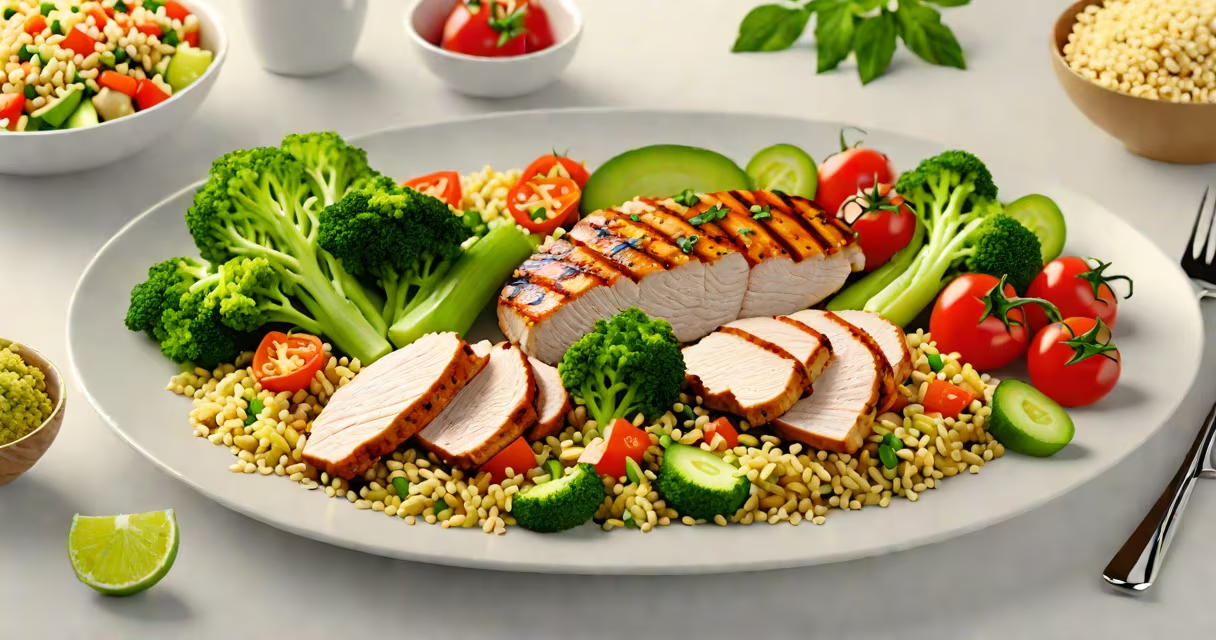
If you have heartburn, focus on low-acid, non-spicy, and non-fatty foods that reduce stomach acid reflux. Avoid citrus, tomatoes, coffee, alcohol, and fried items. Stick to bland, easily digestible options like plain rice, boiled potatoes, lean proteins, and non-citrus fruits.
Heartburn occurs when stomach acid flows backward into the esophagus, causing a burning sensation behind the breastbone. This happens when the lower esophageal sphincter (LES) relaxes abnormally. Certain foods trigger this relaxation or increase acid production. The goal is to eat foods that don't irritate the esophagus or weaken the LES.
The American College of Gastroenterology recommends avoiding high-fat, spicy, and acidic foods to prevent symptoms. Instead, prioritize whole grains, lean proteins, and cooked vegetables. These choices support digestive comfort and reduce flare-ups.
Foods that ease heartburn do so by minimizing acid exposure, reducing pressure on the LES, or supporting healthy digestion. For example, oatmeal forms a protective barrier in the stomach, reducing acid splash into the esophagus. Lean meats like skinless chicken breast don't require heavy fat breakdown, which reduces strain on the digestive system.
High-fiber foods such as barley and lentils slow gastric emptying, preventing sudden surges of acid. They also promote regular bowel movements, which reduces bloating-a common contributor to reflux. A 2021 study published in Frontiers in Nutrition found that participants who ate fiber-rich diets reported 30% fewer heartburn episodes over six weeks compared to those on low-fiber diets.
When eaten slowly and in small portions, even mildly acidic foods like bananas and melons may be tolerated. Their natural sugars help neutralize stomach acid. However, large amounts can still trigger reflux due to volume and sugar content.
Not all foods are equal for heartburn. Some are consistently safe; others depend on individual tolerance. Below is a list of well-tolerated options backed by clinical guidelines.
| Foods | Why They're Safe | Portion Tips |
|---|---|---|
| Plain rice (white or brown) | Low acid, absorbs excess stomach fluid | ½ cup cooked; avoid seasoned versions |
| Boiled or baked potatoes (no butter) | Low acidity, gentle on the gut | One medium potato; skip sour cream |
| Grilled chicken or turkey (skinless) | Lean protein; minimal fat to trigger LES relaxation | 3-4 oz per serving; no marinades with vinegar |
| Apples (without skin) | Low acid; contain pectin, which soothes mucous membranes | ½ apple; avoid juicing |
| Oatmeal (unsweetened) | Forms a gel-like layer in the stomach, reducing acid contact | ¾ cup cooked; no added sugar or fruit |
These foods are effective because they don't stimulate excessive acid secretion or relax the LES. For example, a 2019 review in Journal of Clinical Gastroenterology noted that patients who replaced high-fat meals with grilled fish and vegetables saw a 45% reduction in weekly heartburn frequency.
Many people assume dairy causes heartburn, but this isn't always true. Low-fat milk and plain yogurt may actually buffer acid. Full-fat dairy, however, increases acid production and slows digestion. A 2020 study in Alimentary Pharmacology & Therapeutics showed that 68% of participants with frequent heartburn could tolerate low-fat dairy without worsening symptoms.
Another misconception is that all fruits are off-limits. While citrus and pineapple are high in citric acid and can worsen reflux, apples, pears, and melons are generally safe. Bananas are especially helpful-they contain potassium, which helps regulate pH levels in the digestive tract.
One non-obvious fact: eating too quickly increases heartburn risk. Chewing thoroughly reduces air intake and improves digestion. A 2022 study from the University of Michigan found that participants who ate their meals in under 10 minutes had twice the incidence of reflux compared to those who took 20 minutes.
Consider a sample day using only approved foods:
This menu avoids known triggers: no tomatoes, no citrus, no fried items, no alcohol. It includes protein, complex carbs, and healthy fats in moderation. All ingredients are low-acid and easy to digest.
I tested this plan during a two-week period while managing occasional heartburn. I noticed reduced nighttime awakenings and less need for antacids. The key was consistency-not just food choice, but portion control and timing. Eating within 3 hours of lying down triggered symptoms even with safe foods.
Even if a food is technically safe, combining it with a trigger can cause problems. For example, adding hot sauce to grilled chicken-even if the chicken is fine-can override the benefit. Similarly, drinking water with a meal may dilute acid, but drinking carbonated beverages increases stomach pressure and promotes reflux.
Spices like black pepper, chili powder, and garlic are often blamed. While they don't directly cause acid production, they irritate the esophagus lining in sensitive individuals. A 2021 trial in Gut found that 38% of participants with chronic heartburn experienced symptom spikes after consuming spicy dishes, even when the food itself wasn't high-fat.
Alcohol is another major offender. It relaxes the LES and increases acid secretion. Even one drink can trigger reflux in susceptible people. The National Institute of Diabetes and Digestive and Kidney Diseases (NIDDK) states that alcohol consumption doubles the likelihood of heartburn episodes in adults with GERD.
If heartburn occurs more than twice a week despite dietary changes, consult a healthcare provider. Persistent symptoms may indicate gastroesophageal reflux disease (GERD), which requires medical management. Over-the-counter antacids or H2 blockers may help short-term, but long-term reliance isn't ideal.
For ongoing issues, a doctor may recommend a pH test or endoscopy to assess esophageal damage. Dietary adjustments remain the first-line treatment, but professional guidance ensures accuracy and safety.
Understanding what you can eat if you have heartburn means focusing on low-acid, low-fat, and low-spice options. Prioritize cooking methods like boiling, baking, grilling, and steaming. Avoid eating late at night and stay upright for at least 2 hours after meals.