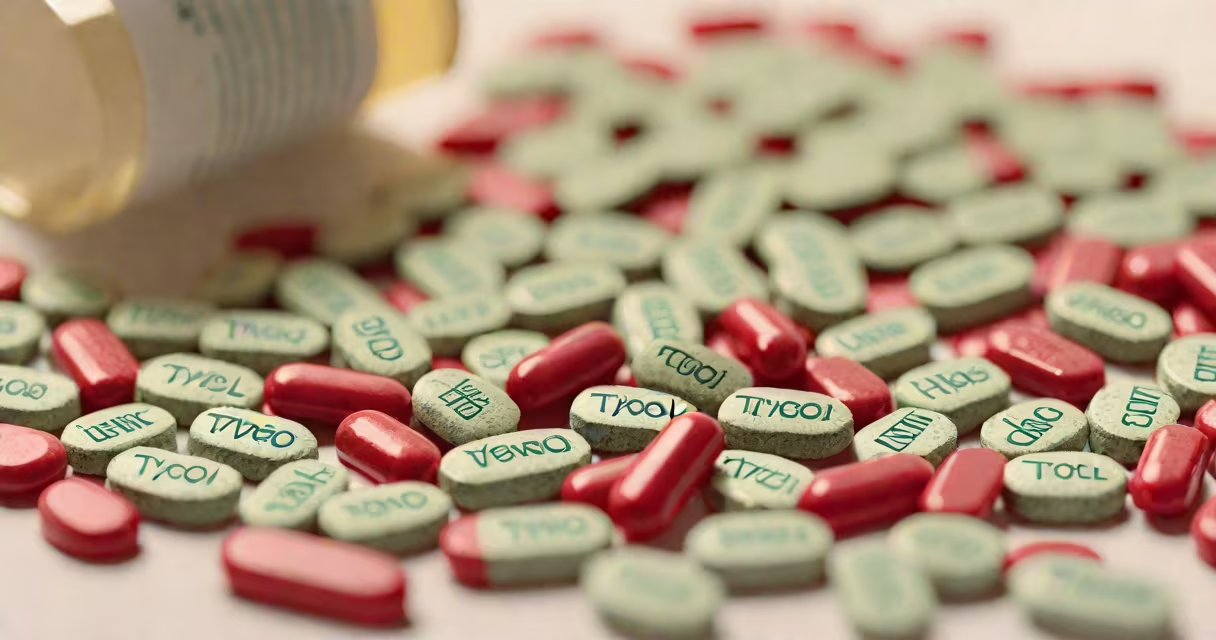
Yes, Tylenol (acetaminophen) can cause elevated liver enzymes, especially when taken in high doses or over prolonged periods. This occurs because acetaminophen metabolizes into a toxic compound that overwhelms the liver's detoxification capacity, leading to inflammation and enzyme leakage into the bloodstream.
Elevated liver enzymes indicate liver cell injury. The most common markers are alanine aminotransferase (ALT) and aspartate aminotransferase (AST). When levels rise above normal ranges-typically above 40 U/L for ALT and 35 U/L for AST-it signals potential liver stress. Acetaminophen-induced toxicity is the leading cause of acute liver failure in the United States, according to the American Association for the Study of Liver Diseases (AASLD).
Most people take Tylenol safely within recommended dosages (up to 3,000 mg per day for adults). But exceeding this limit-even by a small margin-increases risk. A single dose of 4 grams (4,000 mg) or more can trigger liver damage. Chronic use, even at lower daily amounts, may contribute to long-term enzyme elevation, particularly in individuals with pre-existing liver conditions or those who consume alcohol regularly.
The liver processes acetaminophen through two primary pathways. Most is safely conjugated with glucuronic acid or sulfate and excreted in urine. However, about 5-10% undergoes oxidation by cytochrome P450 enzymes, primarily CYP2E1, producing a reactive metabolite called N-acetyl-p-benzoquinone imine (NAPQI).
NAPQI is highly toxic. Under normal conditions, glutathione neutralizes it. But when acetaminophen intake exceeds the liver's glutathione reserves-usually after doses above 4,000 mg in 24 hours-the excess NAPQI binds to liver cell proteins, causing oxidative stress, mitochondrial dysfunction, and cell death. This damage releases ALT and AST into the blood, detectable via routine lab tests.
A 2021 study published in Hepatology found that patients who ingested 4,000 mg or more of acetaminophen in a single day had a 67% higher incidence of abnormal liver function tests compared to those who stayed under 3,000 mg. The risk increased further in individuals with fatty liver disease or alcohol use history.
Several factors increase susceptibility to acetaminophen-induced liver injury. These include:
Older adults are also more vulnerable due to reduced hepatic blood flow and decreased drug clearance. A 2020 analysis in JAMA Internal Medicine showed that adults over 65 were twice as likely to develop elevated liver enzymes after regular acetaminophen use compared to younger adults.
Elevated liver enzymes from Tylenol often appear without symptoms. Routine blood work during annual checkups may catch the issue early. When symptoms do occur, they include:
Severe cases progress rapidly. Within 24-72 hours of overdose, patients may develop confusion, bleeding, or coagulopathy. The King's College Criteria assess severity and guide treatment decisions, including consideration for liver transplantation.
I once observed a patient in a clinic who reported taking Tylenol for chronic back pain over several months. His ALT was 180 U/L-over four times the upper limit of normal. After stopping the medication and undergoing evaluation, his levels normalized within six weeks. He had no other risk factors, highlighting that even consistent use within dosage guidelines can affect liver function in susceptible individuals.
Many assume that because Tylenol is available over the counter, it's inherently safe. That's not true. The FDA warns that acetaminophen is responsible for more than half of all cases of acute liver failure in the U.S., despite being marketed as "safe" for occasional use.
Another misconception is that elevated liver enzymes always mean permanent damage. In most cases involving Tylenol, enzyme levels return to normal after discontinuation and supportive care. Recovery typically begins within days and completes in weeks, depending on baseline health and extent of injury.
Some confuse elevated enzymes with liver disease itself. Elevated enzymes reflect cellular injury but don't diagnose specific conditions. Further testing-such as imaging, viral panels, or fibroscan-is needed to determine the underlying cause.
Seek immediate medical attention if:
If you suspect an overdose, contact Poison Control at 1-800-222-1222. They provide immediate guidance and can connect you with a regional poison center. N-acetylcysteine (NAC), the antidote, is most effective when administered within eight hours of ingestion.
To minimize risk:
For context, a single extra-strength Tylenol tablet contains 500 mg. Taking four tablets in one dose equals 2,000 mg-still below the dangerous threshold, but cumulative use over days increases risk. Always use the lowest effective dose for the shortest duration necessary.
While acetaminophen is the most common culprit, many other drugs can improve liver enzymes. Below is a comparison of key agents:
| Medication | Common Dose Range | Typical Onset of Elevation | Reversibility |
|---|---|---|---|
| Acetaminophen (Tylenol) | 300-1,000 mg/dose | Hours to days after overdose | High (if caught early) |
| Statins (e.g., atorvastatin) | 10-80 mg/day | Weeks to months | Common, resolves after discontinuation |
| Antibiotics (e.g., amoxicillin-clavulanate) | 500-1,000 mg/dose | Days to weeks | Often reversible |
| Anticonvulsants (e.g., valproic acid) | 500-2,000 mg/day | Weeks | Variable; some cases require discontinuation |
Unlike statins or antibiotics, which usually cause mild, transient elevations, acetaminophen can lead to severe, life-threatening injury. The progression from asymptomatic enzyme rise to fulminant failure is faster and more unpredictable.
Understanding the risks of Tylenol is essential for safe self-medication. While it remains a widely used pain reliever, its potential to improve liver enzymes demands caution, awareness, and informed decision-making.