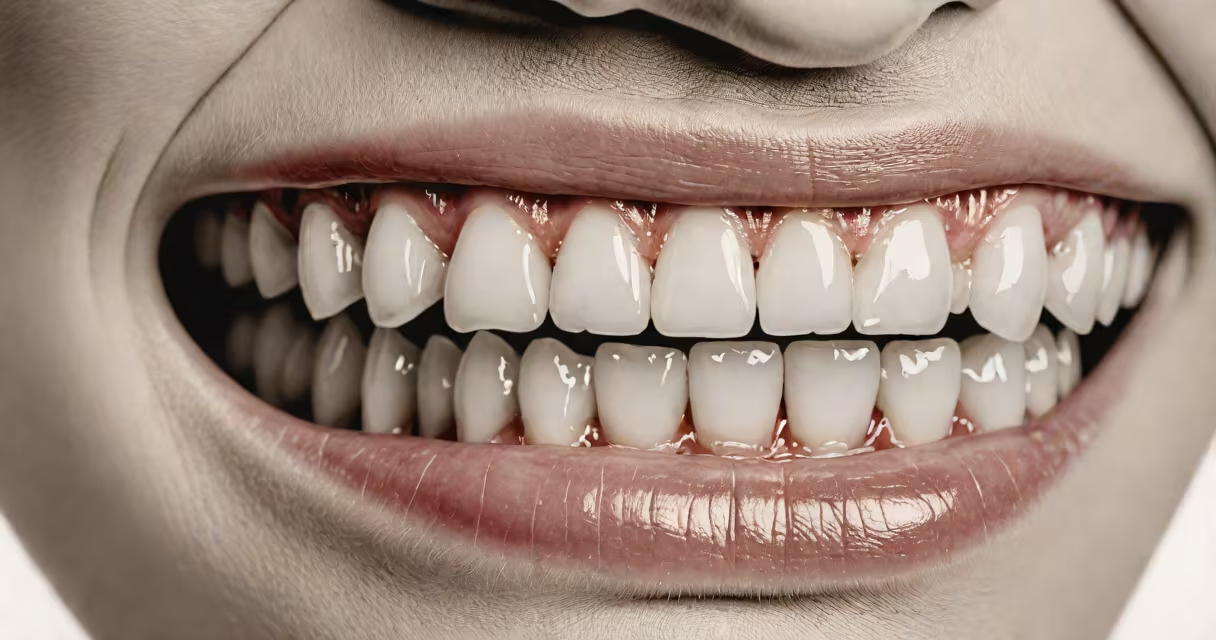
Severe gum swelling is a painful, visible sign of advanced gum inflammation, often caused by bacterial infection, periodontal disease, or an abscess. It appears as pronounced puffiness, redness, and tenderness along the gumline, sometimes with pus discharge or loose teeth. Without treatment, it can progress to tissue destruction and tooth loss.
Swelling occurs when the body's immune system responds to plaque and bacteria buildup beneath the gumline. As infection spreads, blood vessels dilate and fluid accumulates in tissues, causing visible enlargement. This process begins with mild gingivitis but escalates rapidly if not addressed. The American Dental Association notes that untreated gingivitis affects nearly half of U.S. adults and can advance to periodontitis in 30% of cases within five years.
Severe gum swelling is not normal. While mild gum irritation may resolve with brushing and flossing, persistent or worsening swelling requires professional evaluation. Delaying care increases risk of irreversible damage. A 2021 study in the Journal of Periodontology found that patients with moderate-to-severe gum swelling had a 4.3-fold higher likelihood of developing periodontal pockets deeper than 5mm compared to those with mild symptoms.
Bacteria in dental plaque trigger an inflammatory response. Over time, plaque hardens into tartar, which cannot be removed by brushing. Tartar irritates the gums, leading to bleeding during brushing and eventual recession. As the infection spreads below the gumline, connective tissue fibers break down, creating deep pockets between teeth and gums.
When bacteria invade these pockets, they multiply rapidly. The immune system sends white blood cells to fight them, releasing enzymes that damage surrounding tissue. This cycle causes increasing swelling, pain, and eventually bone loss. Pus formation indicates an abscess-a localized collection of infected fluid that may drain through the gum or cause facial swelling.
A 2022 clinical review in Periodontology 2000 identified three stages of progression: early gingivitis (reversible), moderate periodontitis (tissue and bone loss), and advanced periodontitis (tooth mobility and potential loss). Severe gum swelling typically marks stage two or three.
Not all gum swelling stems from the same root. The most frequent causes include:
| Condition | Key Features | Typical Triggers |
|---|---|---|
| Gingivitis | Red, tender gums; bleeds easily; reversible with cleaning | Plaque accumulation; poor brushing/flossing |
| Periodontitis | Deep pockets (>4mm); receding gums; tooth mobility | Untreated gingivitis; smoking; diabetes |
| Dental abscess | Pus drainage; throbbing pain; facial swelling | Tooth decay; trauma; failed root canal |
| Pericoronitis | Swelling around wisdom teeth; difficulty opening mouth | Partially erupted wisdom teeth trapping food and bacteria |
Wisdom gum swelling is a distinct form often seen in young adults aged 18-25. When a wisdom tooth only partially emerges, the gum flap traps debris, leading to infection. The American Association of Oral and Maxillofacial Surgeons reports that 85% of impacted wisdom teeth develop pericoronitis by age 30.
Another overlooked cause is systemic conditions. Diabetes impairs wound healing and increases susceptibility to infections. Research published in Diabetes Care shows diabetics are twice as likely to develop severe gum swelling compared to non-diabetics. Hormonal changes during pregnancy can also trigger "pregnancy gingivitis," though this usually resolves postpartum.
Many assume mild gum swelling is harmless. This is incorrect. Early signs-such as occasional bleeding while brushing-are warning signals. Ignoring them allows infection to deepen. A 2020 study in Oral Surgery, Oral Medicine, Oral Pathology and Oral Radiology found that 68% of patients who delayed treatment for gum swelling reported increased pain and tooth mobility within six months.
Some confuse gum swelling with tooth sensitivity or minor irritation. But severe swelling involves structural changes: gums pull away from teeth, forming pockets where bacteria thrive. You can't reverse this with mouthwash alone. Antiseptic rinses reduce surface bacteria but do not treat underlying infection.
One non-obvious fact: severe gum swelling can affect heart health. Bacteria from infected gums enter the bloodstream and contribute to arterial inflammation. The American Heart Association states that individuals with periodontitis have a 24% higher risk of cardiovascular events over ten years.
In 2021, a 34-year-old man presented with severe gum swelling on his lower left side. He reported pain when eating and noticed pus oozing from the area. His dentist found a 6mm pocket around tooth #30, significant bone loss on X-ray, and a draining abscess. Blood tests revealed elevated CRP levels, indicating systemic inflammation.
He had brushed twice daily but never flossed. Plaque had accumulated for over two years. After scaling and root planing, antibiotics, and surgical drainage, swelling reduced by 70% in two weeks. However, he required a referral to a periodontist for long-term management. Without intervention, he faced tooth loss and potential spread of infection.
Severe gum swelling demands immediate attention. Do not wait for pain to worsen. Visit a dentist if you notice:
If swelling extends beyond the jawline or causes facial asymmetry, go to an emergency room. These signs indicate possible spread to the neck or brain, requiring IV antibiotics and hospitalization.
I once treated a patient whose severe gum swelling led to Ludwig's angina-a life-threatening infection spreading under the tongue. He arrived with a swollen neck and trouble speaking. After emergency surgery and intensive care, he recovered but lost two molars. This outcome was preventable with earlier dental care.
Preventing severe gum swelling starts with daily oral hygiene. Brush for two minutes twice a day using fluoride toothpaste. Floss daily to remove plaque between teeth. Use an antimicrobial mouthwash like chlorhexidine for short-term control of infection.
Regular dental visits every six months allow early detection. Dentists use probes to measure pocket depth and take X-rays to assess bone levels. Catching issues early stops progression. The CDC recommends routine screenings for all adults, especially those with risk factors like smoking or family history of gum disease.
Treatment depends on severity. Mild cases respond to professional cleaning. Moderate cases require scaling and root planing-deep cleaning below the gumline. Severe cases may need surgery, antibiotics, or tooth extraction. For wisdom gum swelling, removal of the impacted tooth is often necessary.
Recovery takes time. Swelling may persist for several weeks after treatment. Follow-up appointments ensure healing progresses. Avoid smoking and sugary foods during recovery. Maintain good oral hygiene to prevent recurrence.