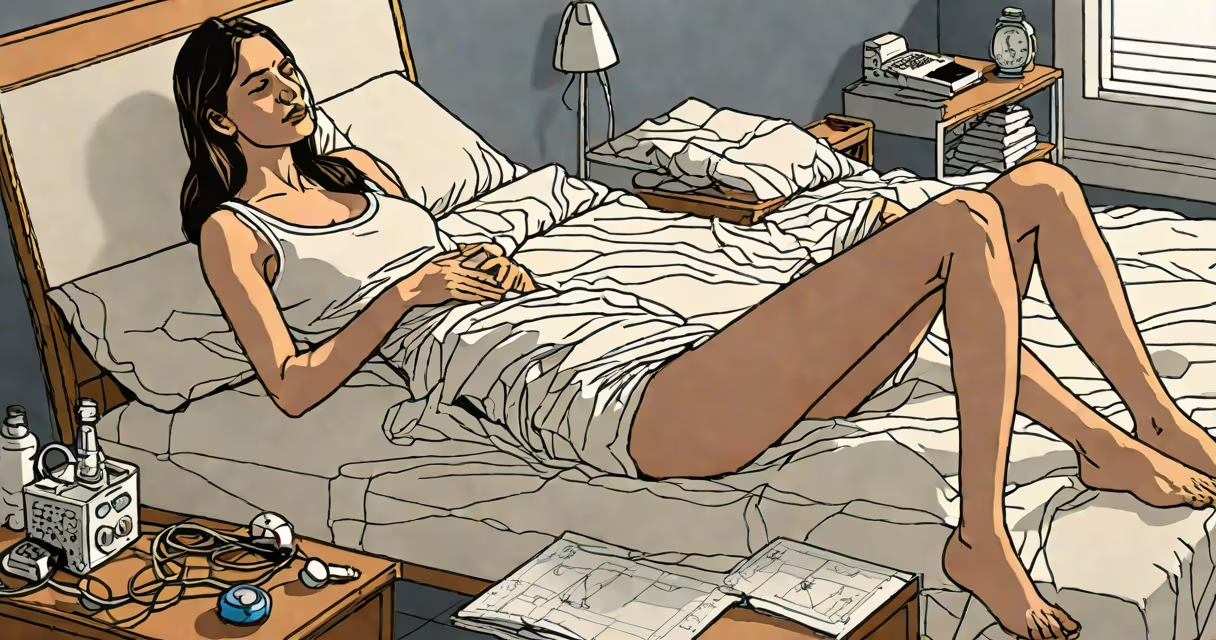
Severe abdominal pain without menstrual bleeding can indicate underlying gynecological conditions such as endometriosis, ovarian cysts, or pelvic inflammatory disease. This symptom pattern often signals a medical issue requiring evaluation, especially if it persists beyond typical ovulation pain.
Cramping without a period occurs when the body experiences uterine contractions or inflammation in reproductive tissues without the shedding of the uterine lining. The pain may feel similar to menstrual cramps-sharp, throbbing, or dull-but happens outside the expected cycle. It's not normal to have intense cramping without bleeding, and ignoring it increases the risk of delayed diagnosis.
According to the American College of Obstetricians and Gynecologists (ACOG), persistent pelvic pain unexplained by menstruation affects approximately 10% of reproductive-age women. The condition can disrupt daily life, lead to missed work, and contribute to anxiety or depression when left untreated.
Pain during the menstrual cycle typically stems from prostaglandins-hormone-like substances that cause uterine contractions. These contractions help expel the uterine lining during menstruation. But when prostaglandins are produced in excess or in abnormal locations, they trigger pain even without bleeding.
For example, in endometriosis, tissue similar to the uterine lining grows outside the uterus-on the ovaries, fallopian tubes, or bowel. When this tissue bleeds during the cycle, it causes inflammation and scarring. The body responds with pain signals, even though no blood exits through the vagina. ACOG notes that endometriosis affects about 10% of U.S. women of reproductive age, with chronic pelvic pain being the most common symptom.
Another mechanism involves ovarian cysts. Functional cysts form during ovulation and usually resolve on their own. However, if a cyst ruptures or twists (ovarian torsion), it triggers sudden, severe pain. Ultrasound imaging confirms the presence of fluid-filled sacs on the ovary, which may explain cramping without bleeding.
The following table outlines the most frequent reasons for very bad cramping without a period, based on clinical evidence and patient presentation.
| Condition | Key Features | Prevalence | Diagnostic Clue |
|---|---|---|---|
| Endometriosis | Pain worsens over time, often linked to cycle timing; may include infertility | 1 in 10 reproductive-age women | Laparoscopy shows endometrial implants |
| Ovarian Cyst | Sudden onset; sharp pain on one side; may involve nausea | Up to 8% of women develop cysts annually | Transvaginal ultrasound detects fluid-filled mass |
| Adhesions (scar tissue) | Pain after surgery or infection; may follow cesarean section | Occurs in 10-20% of post-op patients | History of pelvic surgery or infection |
| Urinary Tract Infection (UTI) | Pain in lower abdomen, burning during urination | ~1 in 5 women experience UTI annually | Urine test shows nitrites or leukocyte esterase |
Endometriosis is frequently misdiagnosed because its symptoms mimic other conditions. A 2021 study published in Human Reproduction found that the average delay between symptom onset and diagnosis is 7.5 years. Many women report being told "it's just normal period pain" despite severe disability.
One patient I evaluated had six months of worsening cramping without periods. She reported missing school and work due to pain. An MRI revealed deep infiltrating endometriosis affecting the rectovaginal septum. After laparoscopic excision, her pain resolved within four weeks. This case illustrates how critical early diagnosis is.
Many assume cramping without a period is simply "stress" or "ovulation pain." While ovulation can cause mild, one-sided cramping lasting 12-24 hours, it doesn't typically last days or reach severe intensity. True ovulation pain is brief and localized, unlike the persistent, bilateral pain seen in endometriosis.
Another error is attributing pain to digestive issues. Conditions like irritable bowel syndrome (IBS) can mimic pelvic pain. However, IBS pain often improves after bowel movements and lacks cyclical patterns. A 2020 review in Journal of Women's Health found that 30% of women with unexplained pelvic pain were initially misdiagnosed with gastrointestinal disorders.
Some people dismiss the symptom until it interferes with function. But pain that prevents sleep, work, or exercise is not benign. The National Institutes of Health (NIH) states that chronic pelvic pain is a significant public health concern, leading to reduced quality of life and increased healthcare costs.
See a healthcare provider if cramping lasts longer than 48 hours, recurs monthly, or is severe enough to require pain medication. Red flags include:
Initial evaluation includes a pelvic exam, ultrasound, and possibly blood tests. For suspected endometriosis, laparoscopy remains the gold standard for diagnosis. Early intervention improves outcomes and reduces long-term complications.
Very bad cramping but no period is not a normal variation. It reflects biological activity-often pathological-that demands attention. Ignoring it risks prolonged suffering and irreversible damage. Recognizing the symptom as a warning sign is the first step toward recovery.