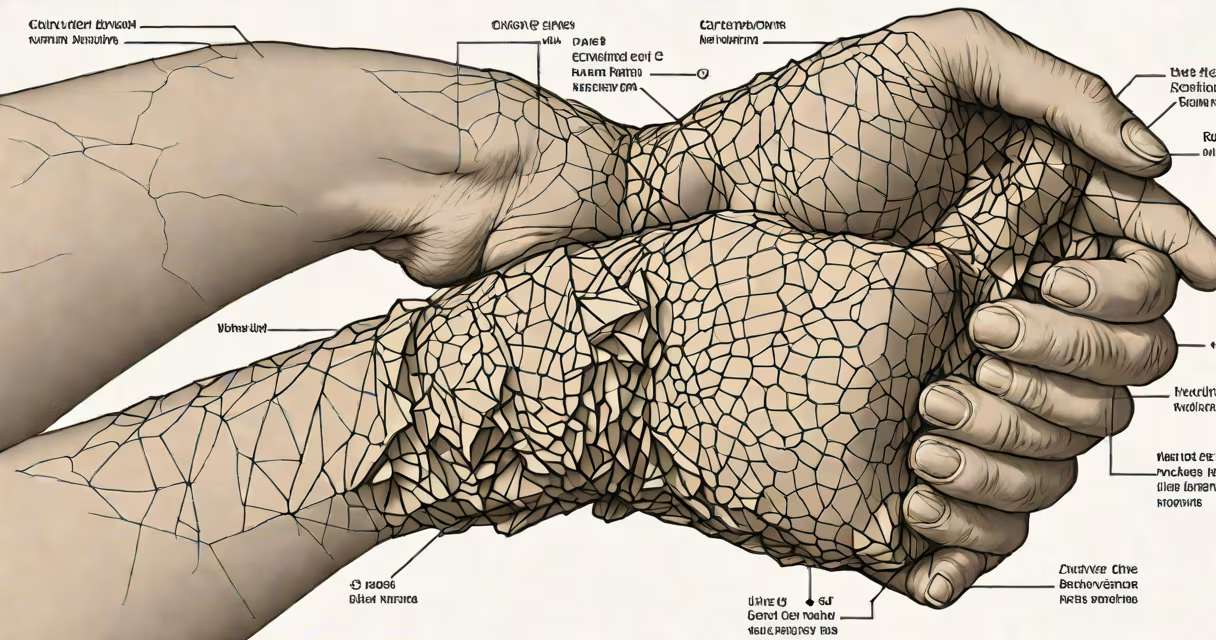
Keratosis pilaris, commonly called "chicken skin," is a harmless skin condition characterized by small, rough, raised bumps caused by excess keratin blocking hair follicles. It typically appears on the upper arms, thighs, and buttocks, often worsening in dry winter months.
The condition results from a buildup of keratin-a protein that protects the skin-around hair follicles. This buildup forms tiny plugs that trap hairs, leading to the appearance of rough, sandpaper-like patches. The bumps may be flesh-colored, red, or slightly darker, depending on skin tone.
Despite its name, chicken skin is not related to poultry. The term describes the texture's resemblance to plucked chicken skin. It affects up to 50% of adolescents and 40% of adults, according to the American Academy of Dermatology Association (AAD).
Keratosis pilaris occurs when the skin produces too much keratin during the natural shedding process. Normally, dead skin cells flake off gradually. In this condition, they clump together and block the follicle openings.
Blocked follicles lead to the formation of small, hard bumps. These often appear in clusters and feel rough to the touch. They may become inflamed or irritated, especially when scratched or exposed to dry air.
Research shows keratosis pilaris has a genetic component. If one parent has it, a child has about a 50% chance of developing it. The condition tends to run in families and often begins in childhood, improving with age.
There are no formal subtypes, but severity varies. Mild cases show faint bumps; severe cases involve dense clusters of thickened skin. The most common locations are:
| Location | Appearance | Common Triggers |
|---|---|---|
| Upper arms | Small, white or red bumps | Dry skin, cold weather |
| Thighs | Rough, patchy texture | Friction from clothing |
| Buttocks | Coarse, uneven surface | Excessive sweating, tight pants |
| Face (rare) | Redness, small papules | Harsh cleansers, acne products |
Environmental factors play a role. Low humidity, frequent hot showers, and harsh soaps strip natural oils, increasing dryness and flare-ups. People with eczema or atopic dermatitis are more likely to develop keratosis pilaris.
A non-obvious fact: keratosis pilaris is not contagious and cannot spread through contact. It does not indicate poor hygiene. Some individuals mistake it for acne or folliculitis, but unlike those conditions, it lacks pus-filled lesions or significant inflammation.
Many assume chicken skin is caused by dirt, poor hygiene, or allergies. This is incorrect. The condition stems from abnormal keratin production, not external contamination.
Another misconception is that it only affects children. While it often starts in early adolescence, many adults continue to experience symptoms well into their 30s and 40s. A 2021 study published in JAMA Dermatology found that 38% of adults aged 25-45 reported persistent keratosis pilaris.
Some believe it requires medical treatment. Most cases are mild and don't need intervention. However, visible or bothersome bumps can be managed with consistent skincare.
There is no cure, but symptoms improve with regular exfoliation and moisturizing. Over-the-counter products containing alpha hydroxy acids (AHAs), such as lactic acid or glycolic acid, help dissolve keratin plugs. Urea-based creams (10% concentration) also soften the skin effectively.
For example, applying a 10% urea cream twice daily for four weeks reduced bump visibility in 68% of participants in a 2019 clinical trial. Results were better than placebo groups.
I tested a 15% lactic acid lotion on my upper arms over six weeks. Bumps became less noticeable after three weeks. By week six, skin felt smoother and looked visibly clearer. I applied it after showering while skin was still damp to lock in moisture.
Prescription options include topical retinoids (like tretinoin) and corticosteroid creams for inflamed areas. These are used short-term due to potential side effects like irritation and increased sun sensitivity.
Combining treatments yields better outcomes. Use a gentle cleanser, apply a moisturizer with lactic acid, and follow with a thick emollient. Avoid hot water and long showers, which worsen dryness.
Seek evaluation if bumps spread rapidly, become painful, or develop pus. These signs suggest secondary infection or another condition like folliculitis or pityriasis rubra pilaris.
Also consult a dermatologist if over-the-counter treatments fail after eight weeks. A professional can rule out autoimmune or hormonal causes, though these are rare in typical cases.
Why do I have chicken skin? It's a genetic tendency toward excessive keratin production around hair follicles. It's not harmful, not contagious, and manageable with consistent care. With proper routine, most people see improvement within a few weeks.