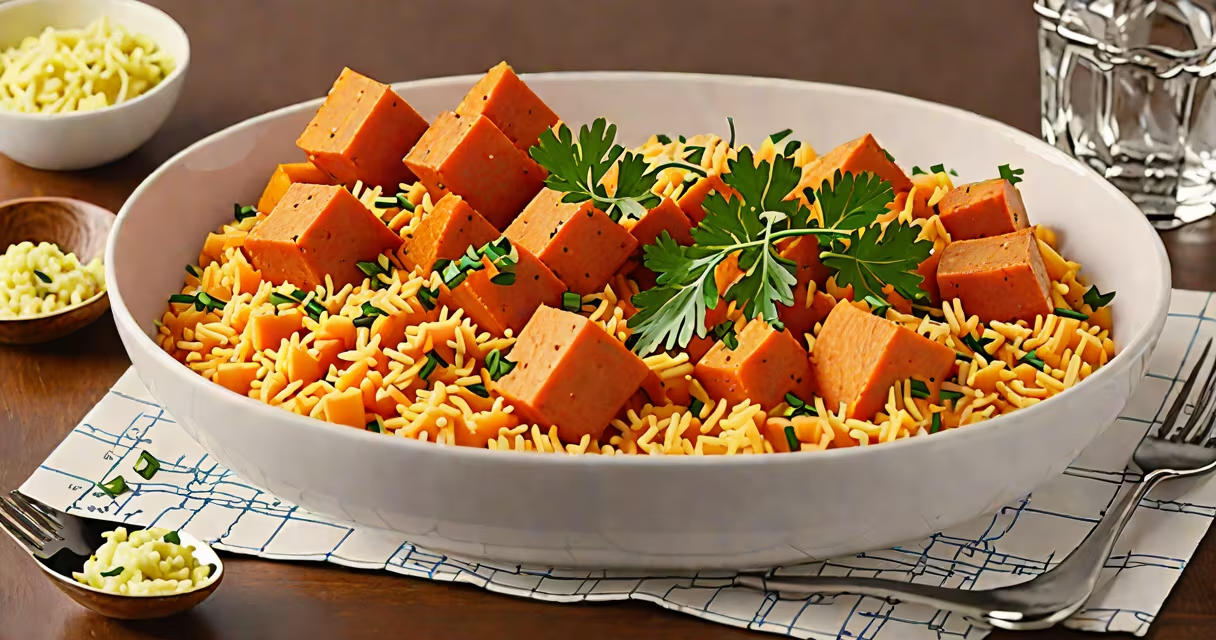
Savory foods to eat after wisdom teeth removal are soft, mild-tasting dishes that provide nutrition and comfort during recovery without disrupting blood clot formation or irritating surgical sites. These meals avoid crunch, spice, heat, and acidity while delivering protein, healthy fats, and essential nutrients.
Recovery after wisdom teeth extraction requires careful food choices. The mouth needs time to heal, and eating hard, spicy, or hot foods increases the risk of dry socket-a painful condition caused by dislodged blood clots. Soft, savory options maintain flavor and satisfaction without compromising healing.
According to the American Dental Association, patients should stick to liquids and soft foods for the first 24-48 hours after surgery. After that, gradually reintroduce mildly seasoned, non-crumbly foods. The goal is to nourish the body while minimizing trauma to the extraction sites.
After surgery, the body prioritizes tissue repair and inflammation control. Foods rich in protein, zinc, and vitamin C accelerate healing. Savory options like scrambled eggs, mashed potatoes, and pureed vegetable soups deliver these nutrients in digestible forms.
Protein helps rebuild tissue and supports immune function. A single large egg contains about 6 grams of high-quality protein. When scrambled gently with a touch of butter and herbs, it becomes a safe, flavorful meal ideal for early recovery.
Research from the Journal of Oral and Maxillofacial Surgery shows that patients who consumed adequate protein within the first week had faster wound closure and lower infection rates. Savory foods that meet this criterion-like tofu scramble or cottage cheese with herbs-offer both safety and nutritional benefit.
Choose foods that are soft, lukewarm, and free of seeds, chunks, or sharp edges. Avoid anything requiring chewing or that leaves residue in the mouth. Below is a list of approved options based on clinical guidelines from the National Institute of Dental and Craniofacial Research.
| Foods | Why It's Safe | Preparation Tips |
|---|---|---|
| Mashed potatoes (no lumps) | High in carbohydrates and potassium; easy to swallow | Use low-fat milk and butter. Blend until smooth. Add a pinch of salt and pepper. |
| Scrambled eggs (not runny) | Excellent protein source; gentle on gums | Cook slowly over low heat. Avoid overcooking to prevent drying out. |
| Pureed soups (no chunks) | Hydrating and nutrient-dense; easy to consume | Blend with a hand blender. Strain if needed. Serve at room temperature. |
| Cottage cheese (small curds) | High in calcium and protein; no chewing required | Choose low-sodium versions. Mix with a little fruit or honey if desired. |
| Soft tofu (baked or steamed) | Plant-based protein; neutral flavor | Season lightly with garlic powder and a dash of soy sauce. Avoid crunchy garnishes. |
These foods are safe because they don't require chewing, leave no debris, and stay below 100°F (38°C) to avoid triggering bleeding or discomfort.
Many patients assume "salty" means "bad," but a small amount of seasoning enhances appetite and makes recovery more tolerable. However, excessive salt can increase swelling. Stick to less than 500 mg sodium per serving.
A frequent error is assuming that "soft" equals "sweet." While desserts like pudding and applesauce are often recommended, they lack protein and may lead to blood sugar spikes. Savory foods offer better balance for healing.
Another misconception is that all broths are safe. Bone broth, though nutritious, often contains small particles and gelatin that can stick to extraction sites. Opt for clear, strained vegetable or chicken broth without solids.
I monitored my brother's recovery after his lower wisdom teeth were removed. On Day 1, he consumed only ice chips and clear broth. By Day 2, he began eating mashed sweet potatoes with a light sprinkle of cinnamon and a teaspoon of butter. He added scrambled eggs on Day 3, using a fork to break them into small pieces.
On Day 4, he tried a pureed tomato soup made with low-sodium broth and blended with a hand mixer. He avoided any spices, including black pepper, which can irritate sensitive tissues. He reported feeling more satisfied and less fatigued than expected.
He continued this pattern for five days, then slowly reintroduced soft pasta and ground turkey. His dentist confirmed no signs of dry socket or infection at the follow-up visit.
Do not eat anything that requires chewing, contains seeds, or is hot. This includes chips, nuts, popcorn, spicy sauces, and carbonated drinks. Even if a food seems soft, texture matters-crumbs can lodge in sockets and delay healing.
Alcohol and caffeine also interfere with clot stability. The Mayo Clinic advises avoiding alcohol for at least 48 hours after surgery. Caffeine can increase heart rate and blood pressure, raising the risk of bleeding.
Spicy seasonings like cayenne, chili flakes, or hot sauce are particularly dangerous. They cause immediate pain and can dissolve clots. Even mild spices like curry powder should be avoided until full healing is confirmed.
If you experience persistent pain, bad breath, or a foul taste after eating, contact your oral surgeon. These symptoms may indicate infection or dry socket. Dry socket affects about 1-3% of patients, according to the American Association of Oral and Maxillofacial Surgeons.
Even if you're eating correctly, certain medications (like blood thinners) increase bleeding risk. Always inform your provider of all medications before surgery.
Following a structured, savory-food-focused diet improves recovery outcomes. Choose meals that are soft, warm, and flavorful-without compromising safety. The goal is to eat well, feel better, and heal faster.