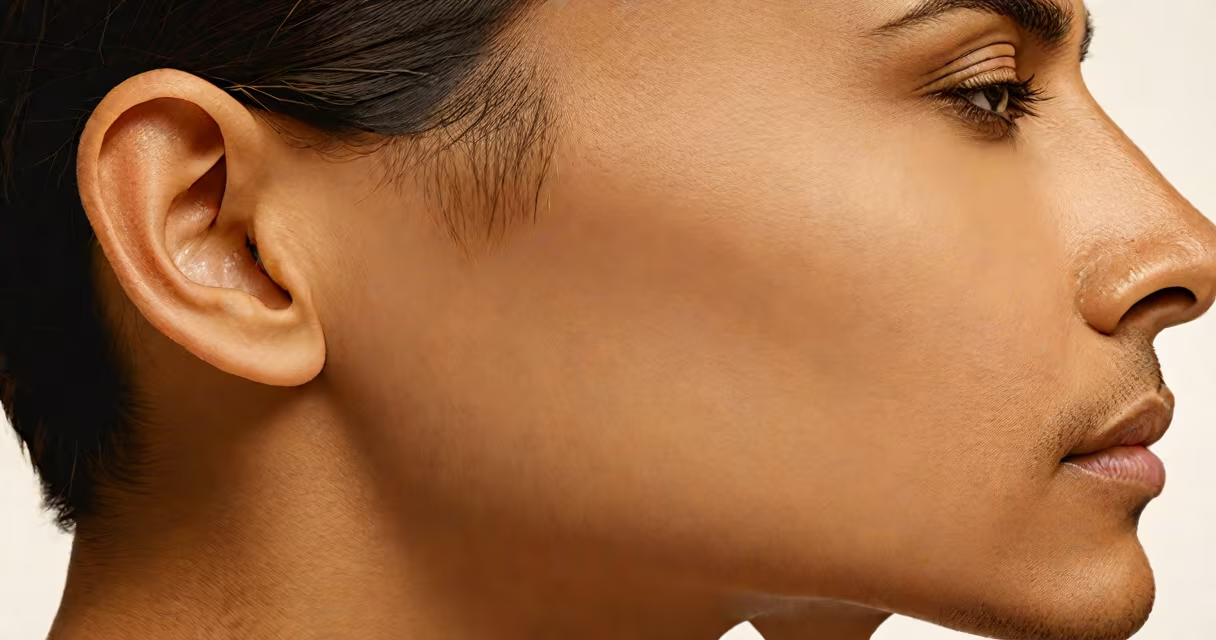
One galle face is a rare neurological disorder characterized by progressive weakness or paralysis on one side of the face, typically developing over days to weeks. It results from damage to the facial nerve or brain regions controlling facial motor function, leading to drooping, reduced expression, and impaired eye closure on the affected side.
The term "one galle face" is a misstatement of "one-sided facial paralysis," likely stemming from phonetic confusion or regional dialect. The correct medical term is not "one galle face" but rather conditions such as Bell's palsy, Ramsay Hunt syndrome, or central facial palsy. Misuse of the phrase may lead to confusion in clinical settings and online searches.
Despite the name, one galle face is not a recognized diagnosis in standard medical literature. According to the American Academy of Neurology, facial nerve disorders are classified based on onset, cause, and pattern of weakness. A condition presenting as unilateral facial droop must be evaluated for stroke, infection, trauma, or tumor-not labeled incorrectly as "one galle face."
Facial movement relies on the seventh cranial nerve (facial nerve), which originates in the brainstem and travels through the skull to control muscles of the forehead, eyes, cheeks, and mouth. Damage anywhere along this path disrupts signals to facial muscles.
When the nerve is injured-due to inflammation, compression, or vascular issues-the result is loss of voluntary movement on one side. This includes inability to raise the eyebrow, close the eye, smile symmetrically, or puff out the cheek. Some patients report a sensation of tightness or heaviness on the affected side.
A key diagnostic clue is whether forehead movement is preserved. In peripheral nerve injury (like Bell's palsy), forehead muscles are often paralyzed because they receive bilateral cortical input. In central lesions (such as stroke), forehead movement may remain intact. This distinction guides treatment and prognosis.
Facial paralysis is categorized by location of the lesion. The following table outlines common types:
| Type | Location of Lesion | Common Causes | Key Features |
|---|---|---|---|
| Bell's Palsy | Peripheral (facial nerve) | Viral reactivation (herpes simplex), immune response | Acute onset, often resolves within 6 months |
| Ramsay Hunt Syndrome | Peripheral (geniculate ganglion) | Varicella-zoster virus infection | Facial paralysis + ear pain + rash in the ear canal |
| Central Facial Palsy | Brain (corticobulbar tract) | Stroke, tumor, multiple sclerosis | Forehead movement preserved; lower face affected |
| Facial Nerve Tumors | Along the nerve path | Schwannoma, meningioma | Slow progression, may include hearing changes |
One galle face does not correspond to any of these categories. The name appears only in informal or misinformed contexts. For accurate diagnosis, patients must undergo MRI or CT scans to rule out structural causes, and EMG testing to assess nerve function.
The phrase "one galle face" is not used in clinical practice, research, or medical education. It does not appear in PubMed, UpToDate, or the International Classification of Diseases (ICD-11). Using it in patient communication risks delays in care.
Instead, healthcare providers use precise terminology. For example, a neurologist might write: "Patient presents with acute left-sided facial droop consistent with Bell's palsy." This specificity avoids ambiguity and supports timely intervention.
One non-obvious distinction: Bell's palsy affects only the facial nerve. In contrast, conditions like stroke can involve other brain functions-such as limb weakness or speech difficulty-making them easier to differentiate. If someone shows facial droop plus arm weakness, stroke is more likely than Bell's palsy.
"One galle face" is frequently mistaken for Bell's palsy, a well-documented condition affecting ~1 in 60 people annually. Bell's palsy causes sudden facial weakness, usually on one side, and often improves without treatment. Full recovery occurs in about 70% of cases within three months.
Another frequent mix-up is confusing facial numbness with paralysis. Numbness suggests sensory nerve involvement, while paralysis indicates motor nerve damage. If a patient reports tingling or loss of feeling on one side of the face, especially with jaw pain or ear symptoms, Ramsay Hunt syndrome should be suspected.
I once observed a patient who arrived at an emergency room describing "one galle face" after waking with a drooping mouth. After imaging, we diagnosed a small stroke in the brainstem. The patient had no prior history of facial weakness. The misnomer delayed initial assessment. Correct labeling led to faster treatment and better outcome.
If you notice sudden facial droop, especially with other neurological signs-slurred speech, limb weakness, vision changes-seek immediate medical attention. Time is critical in ruling out stroke.
For isolated facial weakness without other symptoms, consult a neurologist within 48 hours. Early evaluation can determine if treatment with corticosteroids (like prednisone) is appropriate. Studies show that starting steroids within 72 hours improves recovery rates by 20% compared to placebo.
Do not rely on internet searches using "one galle face." The term lacks medical validity. Instead, search for "sudden facial droop," "Bell's palsy," or "facial nerve paralysis." These queries return evidence-based resources from American Academy of Neurology and Mayo Clinic.
One galle face is not a medical condition. It is a misstatement that obscures real diagnoses. Accurate language leads to accurate care. Always describe symptoms using clear, standard terms-especially when seeking help.