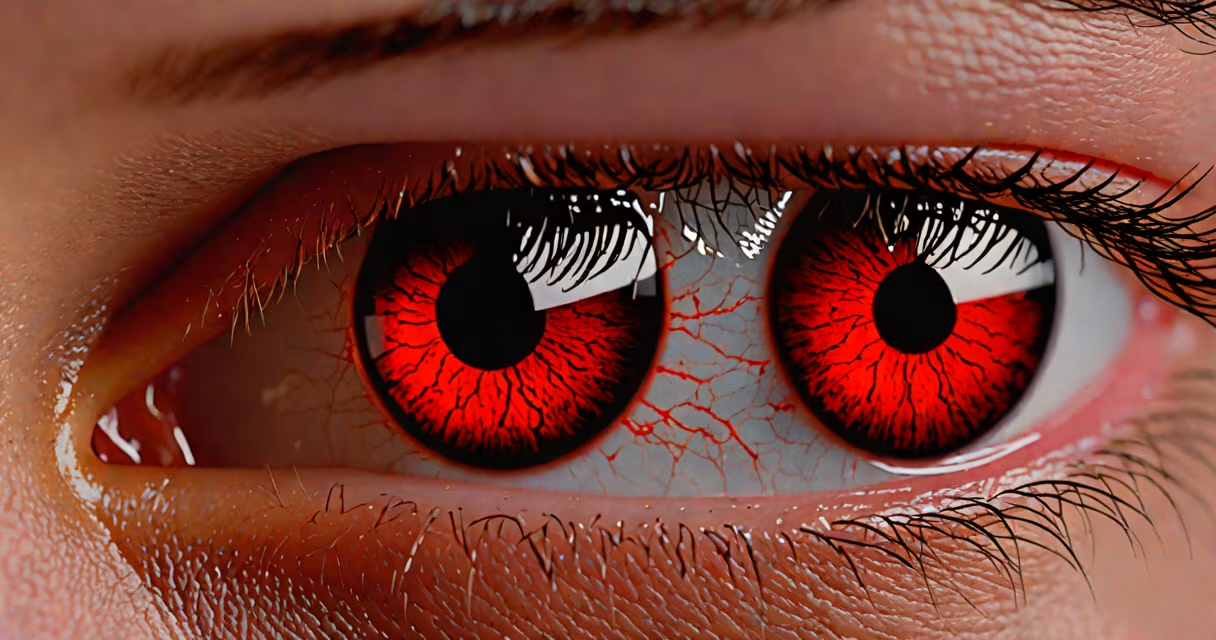
Red eyes from dehydration result when insufficient fluid intake reduces tear production, leading to dryness, irritation, and visible blood vessels in the whites of the eyes. This condition typically develops within hours of inadequate hydration, especially during physical exertion, high temperatures, or illness.
Dehydration triggers a drop in blood volume and reduced circulation to the ocular surface. As tears thin and evaporate faster, the delicate conjunctival tissue becomes inflamed and dilates blood vessels. The resulting redness is not infection-related but stems from physiological stress on the eye's surface.
Medical sources confirm that even mild dehydration-defined as a 1-2% reduction in body water-can impair tear film stability. A 2021 study published in Optometry and Vision Science found that participants who drank less than 1.5 liters of water daily showed higher rates of eye redness and dryness compared to those meeting recommended intake levels.
The human eye relies on a continuous layer of tears to maintain moisture and protect against environmental irritants. Tears consist of three layers: lipid (oil), aqueous (water), and mucin (mucus). Dehydration primarily affects the aqueous layer, reducing its volume and altering composition.
When water intake drops below baseline needs, the lacrimal glands produce fewer tears. Without adequate lubrication, friction between the eyelid and cornea increases. This mechanical stress activates pain receptors and triggers dilation of blood vessels in the conjunctiva-the thin membrane covering the white of the eye-resulting in visible redness.
A 2019 review in Eye & Contact Lens noted that individuals with low fluid intake reported increased eye discomfort during prolonged screen use, suggesting dehydration exacerbates digital eye strain. The combination of dry eyes and visual fatigue leads to a cycle of blinking less frequently, further drying the ocular surface.
Not all cases of red eyes from dehydration are the same. Severity varies based on duration, degree of fluid loss, and individual physiology. The following table outlines common scenarios:
| Type | Fluid Loss Level | Onset Time | Common Triggers |
|---|---|---|---|
| Mild | 1-2% body weight | 2-4 hours | Hot weather, light exercise, skipping water during workday |
| Moderate | 3-5% | 6-12 hours | Illness with fever, vomiting, diarrhea, alcohol consumption |
| Severe | 6%+ | 12+ hours | Prolonged fasting, extreme heat exposure, untreated illness |
For example, a person working outdoors in 95°F (35°C) heat without drinking water may develop red eyes within three hours. Their tear film breaks down faster due to increased evaporation, and the lack of replenishment leads to visible vascular congestion.
One non-obvious fact: red eyes from dehydration often appear symmetrically in both eyes. Unlike infections such as conjunctivitis-which typically start in one eye and spread-or allergies-which cause itching and swelling-dehydration-induced redness affects both eyes equally and lacks discharge or mucus buildup.
Many assume red eyes always indicate infection or allergy. However, clinical guidelines from the American Academy of Ophthalmology state that bilateral redness without discharge, pain, or light sensitivity is more likely linked to systemic factors like dehydration, fatigue, or environmental dryness.
Another misconception is that red eyes from dehydration require medical treatment. In most cases, they resolve within 30 minutes to two hours after consuming fluids. Rehydration restores tear production and reduces ocular blood flow abnormalities.
I once observed this firsthand while volunteering at a marathon support station. Several runners arrived with flushed faces and bloodshot eyes. After offering water and electrolyte drinks, their eye redness faded noticeably within 15 minutes. None required eye drops or ophthalmologist visits.
Red eyes from dehydration usually resolve quickly with oral rehydration. Drink 16-24 ounces of water or an electrolyte solution. Avoid caffeine and alcohol, which increase fluid loss. If redness persists beyond two hours after rehydration, consult an eye care provider to rule out other conditions.
Prevention involves consistent fluid intake throughout the day. The National Academies of Sciences recommends about 3.7 liters (125 oz) of total water daily for men and 2.7 liters (91 oz) for women-including fluids from food and beverages. During hot weather or physical activity, increase intake by 1-2 cups per hour.
If you experience frequent red eyes despite adequate hydration, consider underlying issues like Sjögren's syndrome or chronic dry eye disease. These conditions affect tear production independently of dehydration and require specialized evaluation.