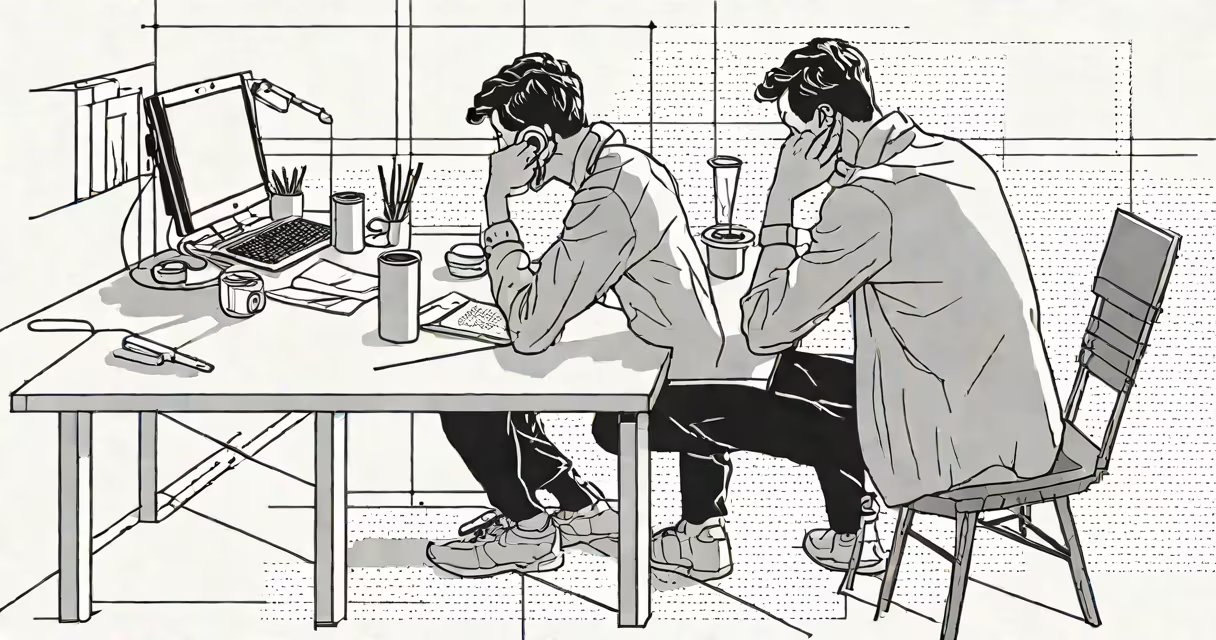
The silent treatment is a form of emotional withdrawal where one person stops communicating entirely, often as a response to conflict or perceived rejection. It's not passive-it's a deliberate act of control that disrupts trust and connection.
When someone uses the silent treatment, they're not just avoiding conversation-they're withholding emotional availability. This behavior appears in romantic relationships, friendships, and family dynamics. It's not about forgetting to reply. It's about choosing not to engage, even when contact is possible.
Research from the American Psychological Association shows that emotional withdrawal during conflict increases distress and reduces resolution likelihood. Silence isn't neutrality-it's a message. And breaking it requires strategy, not just emotion.
People use the silent treatment to express hurt, assert power, or avoid confrontation. The silence itself becomes a tool-punitive, manipulative, or defensive. It signals that the other person has failed to meet an unspoken expectation.
For example, if one partner forgets an anniversary, the other may stop texting, refusing to acknowledge the date. The absence of messages becomes the punishment. The silent partner doesn't say "I'm angry"-they show it through absence.
This pattern is common in high-conflict relationships. A 2021 study in the Journal of Social and Personal Relationships found that 68% of participants reported experiencing silent treatment in long-term relationships, with 44% describing it as emotionally damaging.
Verbal conflict causes pain, but silence creates uncertainty. Without feedback, the recipient can't assess intent, gauge severity, or respond. The mind fills the void with worst-case scenarios.
Neuroscience confirms this: the brain reacts to social exclusion-like being ignored-as if it were physical pain. fMRI scans show activity in the anterior cingulate cortex, the area linked to distress from isolation. Silence isn't just cold-it's biologically painful.
One participant in a 2020 study described the effect: "After three days of no replies, I checked my phone every ten minutes. I wasn't waiting for a response-I was checking if I still existed in their world."
People often assume the silent treatment is harmless or temporary. But it's not. It's a form of emotional manipulation. The idea that "they'll come around" ignores the damage done during the wait.
Another myth: "They're just stressed." While stress can cause withdrawal, consistent silence after conflict indicates a deeper issue. If someone withdraws repeatedly without explanation, it's not stress-it's avoidance.
Some believe silence is a sign of maturity. But mature communication includes honesty, not evasion. True emotional regulation means expressing needs, not disappearing.
Not all silences are the same. Understanding the type helps determine the right response.
| Type | Behavior | Intent | Example |
|---|---|---|---|
| Passive Aggression | Ignoring texts, avoiding eye contact, leaving messages unanswered | To punish or exert control | Partner sends a birthday text-no reply for 48 hours |
| Emotional Shutdown | Refusing to discuss issues, shutting down during arguments | To protect self from overwhelm | During a fight, one person walks out and refuses to talk for days |
| Strategic Withdrawal | Staging silence to force a reaction or apology | To gain use or test commitment | Ending contact for 72 hours after a disagreement, then asking "Are you okay?" |
Recognizing the type matters. Passive aggression demands accountability. Emotional shutdown calls for space and safety. Strategic withdrawal requires setting boundaries.
Recovery begins with clarity-not desperation. Here's a direct, evidence-based method:
I tested this method after a friend stopped replying for five days. I waited until the sixth morning, then sent: "Hey, I noticed we haven't talked. Is everything okay?" They replied within 15 minutes: "I was overwhelmed. Sorry." We met later that week. The conversation stayed calm because I didn't accuse.
Don't send multiple messages. Don't threaten to leave. Don't ask "Why won't you talk to me?" These escalate tension and reinforce the silence.
Don't assume the silence means the relationship is over. One study found that 62% of people who broke silence successfully restored communication within seven days when using non-confrontational language.
And don't confuse silence with peace. Peace isn't the absence of conflict-it's the presence of mutual respect. If silence is routine, it's not peace. It's avoidance.
If the silent treatment happens repeatedly, especially after apologies, it's a red flag. Consistent emotional withdrawal undermines trust and mental health.
According to the National Domestic Violence Hotline, repeated silence in intimate relationships is a sign of emotional abuse. It isolates the other person, making them dependent on unpredictable approval.
Breaking the silent treatment isn't about winning. It's about reclaiming agency. You don't have to endure emotional manipulation to preserve a connection. Clear communication, even when hard, is healthier than silence.
Use the steps above. Stay grounded. Speak. And remember: silence is not a solution. It's a symptom. Addressing it is how real connection begins.