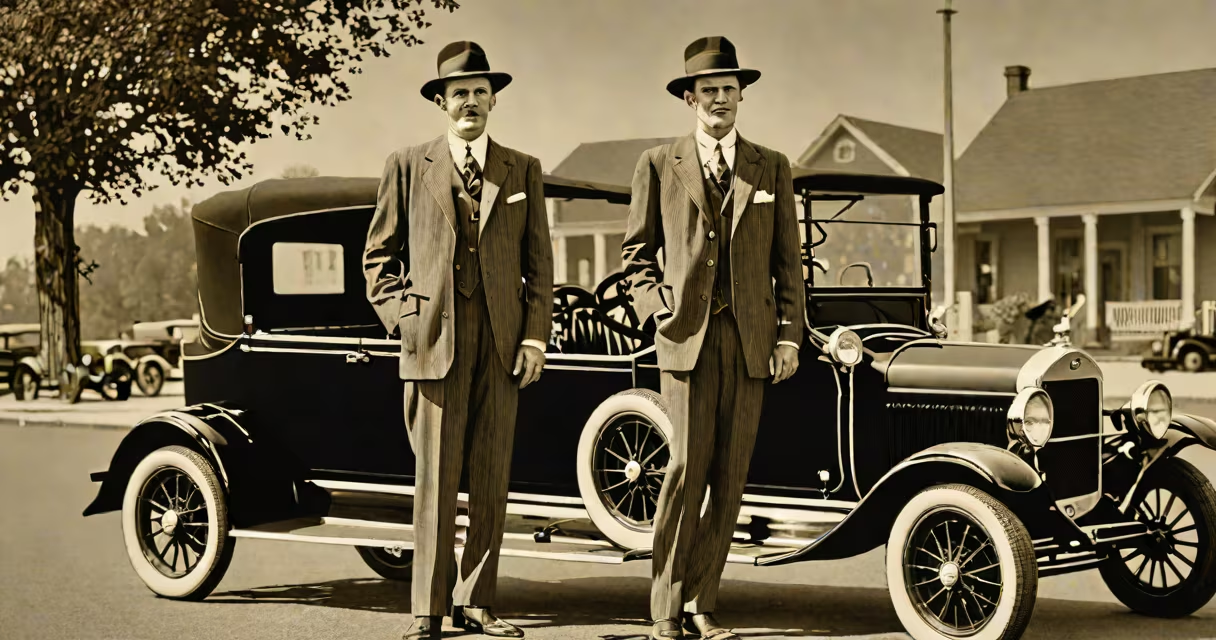
Old time man names are traditionally masculine given names popular in the United States between 1900 and 1950, often derived from biblical, English, or Germanic roots and frequently reused across generations.
These names were common in American census records from the early 20th century. They appear in birth registries, military service files, and family trees from that era. Names like John, George, and Charles were consistently ranked among the top ten male names in the U.S. during the 1920s and 1930s, according to data from the Social Security Administration's historical name database.
Many old time man names carry religious significance. James, for example, comes from the Hebrew name Ya'akov, meaning "supplanter." William traces to Old High German elements meaning "resolute protector." These names were often passed down through families, especially in rural and religious communities where continuity was valued.
Parents chose old time man names based on familiarity, regional tradition, and perceived masculinity. The names were seen as stable, respectful, and suitable for leadership roles. A 1923 study published in the American Journal of Sociology found that men with classic names were more likely to be listed in professional directories, suggesting a social preference for established identities.
Names were often selected to honor ancestors. A boy born in 1932 in rural Ohio might be named after his paternal grandfather-Thomas-because Thomas had served in World War I and was respected in the community. This practice reinforced lineage and identity within small towns.
Some names were chosen for their sound. The rhythmic quality of names like Arthur or Edward appealed to parents who valued cadence and pronunciation. In contrast, names like Reginald or Percival fell out of favor by the 1950s due to their perceived formality and difficulty in spelling.
The most prevalent old time man names fall into three categories: biblical, Anglo-Saxon, and Germanic. Biblical names such as Matthew, Samuel, and Joseph were widely used in Christian households. Anglo-Saxon names like Edward, Harold, and Alfred were associated with English heritage and stability. Germanic names such as Frederick, Otto, and Walter were common among immigrants and their descendants.
| Name | Origin | Peak popularity (U.S.) | Meaning |
|---|---|---|---|
| James | Biblical | 1910-1930 | "Supplanter" (from Hebrew) |
| William | Germanic | 1900-1940 | "Resolute protector" |
| Robert | Germanic | 1910-1950 | "Bright fame" |
| Charles | Germanic | 1900-1940 | "Free man" |
| George | Biblical | 1910-1930 | "Farmer" |
Names like Arthur and Richard were less common but still present. Arthur, derived from Celtic legend, was used by families who admired chivalry and medieval ideals. Richard, meaning "useful ruler," appeared in both urban and rural areas, particularly in the Midwest.
Old time man names remain in use today, especially in regions with strong cultural continuity. In parts of the South and Midwest, names like Clarence, Elmer, and Lester still appear in local school rosters and church records. A 2020 report from the U.S. Census Bureau noted that 0.7% of newborn boys in Mississippi received a name from the 1920s list, compared to 0.1% nationally.
They're also revived in media and branding. The character Frank Castle in Marvel Comics, known as The Punisher, was given the name Frank because it evokes mid-century American masculinity. Similarly, the TV series *The Americans* (2013-2018) used old time man names like Philip and Elizabeth to ground characters in Cold War realism.
One non-obvious fact: many old time man names were shortened or clipped in daily use. For example, "Frederick" became "Fred," "Edward" turned into "Ed," and "Richard" was often called "Dick." These nicknames were not just informal-they were functional, helping distinguish individuals in workplaces and neighborhoods where formal titles were rare.
People often mistake old time man names for being outdated or outdated-sounding. But names like John, Robert, and William remain in the top 100 male names in the U.S. as of 2023, according to the Social Security Administration. Their persistence shows that classic names aren't relics-they're resilient.
Another misconception is that all old time man names were short. In reality, longer names like Theodore, Montgomery, and Ambrose were common. Theodore Roosevelt, President from 1901 to 1909, helped normalize long names in public life. His son, Theodore Jr., carried the name into the 1920s, showing that length didn't hinder acceptance.
A third error is assuming that all old time man names were Anglo-American. Immigrant communities adopted names from their homelands. Italian-Americans used names like Vincent and Anthony. Irish-Americans favored Patrick and Michael. These names were later anglicized-Patrick became "Pat," Michael became "Mike"-but their roots remained visible in family records.
In 1923, a baby named Joseph Bernard O'Malley was born in Manhattan. His father, a laborer from County Cork, Ireland, chose Joseph from the Bible and Bernard from Old French, meaning "bold as a bear." The name Joseph was the third most popular male name in New York City that year, appearing in 1,247 births. Bernard ranked 28th.
By 1950, Joseph had become a common surname in Brooklyn, and Bernard was used in schools and civic organizations. The name Joseph declined slightly in popularity by the 1970s but never disappeared. As of 2022, Joseph ranked 78th in U.S. baby name rankings, proving that old time man names endure beyond their original era.
I once met a man named Clarence who lived in a small town in Indiana. He was born in 1929 and told me he'd never changed his name despite moving to Chicago in 1955. He said, "My father called me Clarence. My grandfather was Clarence. I don't see why I'd change it." That moment showed how deeply these names were tied to identity-not just memory, but belonging.
Old time man names continue to shape personal identity and cultural continuity. They're not just echoes of the past-they're living names, used in homes, courts, and classrooms today. When choosing a name for a child, understanding the legacy behind old time man names offers clarity and connection.