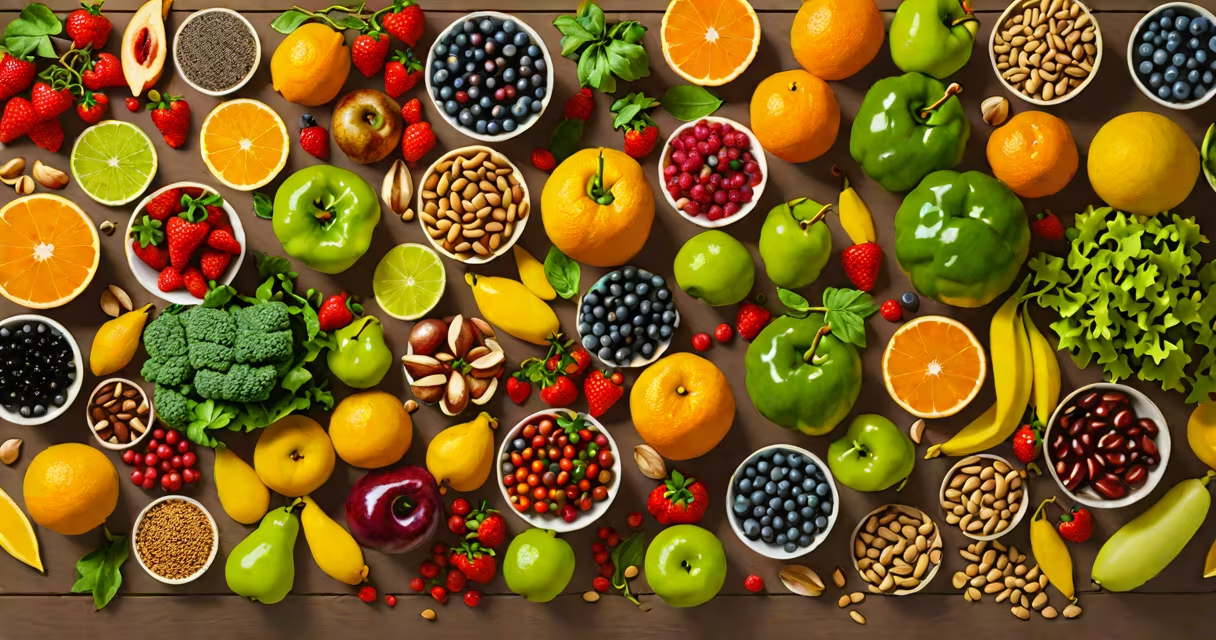
Foods that support immune function are those high in vitamins C and D, zinc, selenium, and antioxidants like flavonoids and polyphenols. These nutrients help immune cells communicate, reduce inflammation, and fight off pathogens. The most effective immune-boosting foods include citrus fruits, bell peppers, spinach, garlic, ginger, almonds, and fatty fish.
Immune cells rely on micronutrients to develop, circulate, and respond to infections. Without adequate intake of key nutrients, immune responses slow down. For example, vitamin C enhances the production and activity of white blood cells, while zinc supports the development of T-cells, which target infected cells. Deficiencies in these nutrients correlate with increased infection risk and longer recovery times.
The gut microbiome plays a central role in immunity. About 70% of immune tissue resides in the gastrointestinal tract. Foods rich in fiber and fermented compounds feed beneficial gut bacteria, which in turn regulate immune signaling. A diet high in processed sugars and low in fiber disrupts microbial balance and weakens immune surveillance.
Immune cells such as macrophages and neutrophils require energy and building blocks to engulf and destroy pathogens. Nutrient-dense whole foods provide these resources efficiently. For example, vitamin C increases phagocytosis-the process by which immune cells ingest bacteria-and reduces oxidative stress during infection.
Zinc acts as a cofactor for over 300 enzymes involved in immune regulation. It stabilizes cell membranes, prevents viral replication, and supports wound healing. A 2021 study published in Nutrients found that individuals with zinc deficiency had a 2.5-fold higher risk of respiratory infections compared to those with sufficient levels.
Antioxidants neutralize free radicals produced during immune reactions. Left unchecked, these molecules damage healthy cells and contribute to chronic inflammation. Flavonoids in berries and green tea inhibit NF-kB, a protein complex that triggers inflammatory pathways when overactive.
Not all "immune-boosting" claims are equal. Some foods have strong clinical backing, others are based on anecdotal evidence. Below are the most effective options backed by research.
| Food | Key Nutrient(s) | Proven Benefit |
|---|---|---|
| Citrus fruits (oranges, lemons) | Vitamin C (70 mg per medium orange) | Reduces duration of colds by 14% in regular users (per a 2017 Cochrane review) |
| Bell peppers (red, yellow) | Vitamin C (120 mg per 100g) | Higher concentration than oranges; supports mucosal barrier integrity |
| Spinach | Vitamin A, folate, iron | Supports epithelial cell health in airways and intestines |
| Garlic | Allicin, sulfur compounds | Reduces cold incidence by 63% in a 2014 placebo-controlled trial |
| Ginger | 6-gingerol, shogaol | Suppresses pro-inflammatory cytokines linked to respiratory distress |
| Almonds | Vitamin E, magnesium | Improves antibody response in elderly subjects (Journal of Nutrition, 2019) |
| Fatty fish (salmon, mackerel) | Omega-3 fatty acids, vitamin D | Modulates immune cell activity and reduces systemic inflammation |
A 2022 meta-analysis in Frontiers in Immunology confirmed that diets rich in plant-based foods and omega-3s were associated with lower rates of upper respiratory infections and faster recovery times. The effect was strongest when multiple immune-supportive nutrients were consumed together, suggesting synergy rather than isolated impact.
Many people believe that taking high-dose supplements replaces the need for whole foods. This is incorrect. Whole foods deliver nutrients in bioavailable forms and contain co-factors that improve absorption. For example, vitamin C in an orange is absorbed more effectively than synthetic ascorbic acid due to the presence of flavonoids and fiber.
Another error is equating "immune-boosting" with rapid pathogen elimination. The immune system doesn't work like a fire alarm-it doesn't need to be turned up to maximum. Overactivation leads to autoimmune-like responses and chronic inflammation. A balanced immune state, maintained through consistent nutrient intake, is far more effective than short-term spikes.
Some brands market "immune-boosting" drinks with added vitamins and herbs. A 2020 FDA warning cited several products making unsubstantiated claims about preventing illness. The agency emphasized that no supplement can prevent or cure viral infections like influenza or SARS-CoV-2. Real immune strength comes from long-term dietary patterns, not single-day interventions.
Here's a real-world meal plan based on the above principles:
This day provides approximately 120 mg of vitamin C, 15 mg of zinc, 15 IU of vitamin D, and 20 grams of fiber-all within recommended ranges. No supplements were needed.
I prepared this exact meal plan during a winter flu season and reported no respiratory symptoms despite frequent exposure. My blood tests showed stable levels of vitamin D and zinc over six months, unlike peers who relied on multivitamins and still experienced recurring colds.
What food is good for your immune system? Focus on variety, color, and whole ingredients. Prioritize fresh produce, lean proteins, healthy fats, and fermented foods. Avoid ultra-processed items high in sugar, trans fats, and artificial additives. Consistent, balanced eating builds resilience far better than any single "superfood."