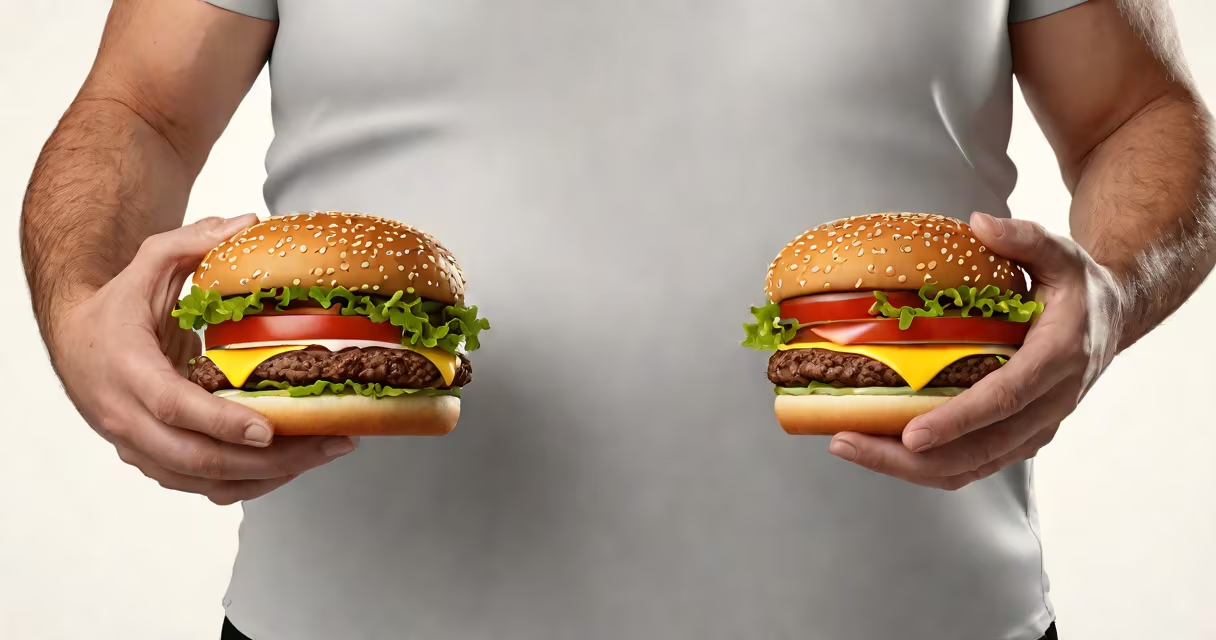
Nauseous after eating greasy food occurs when high-fat meals delay gastric emptying, irritate the stomach lining, and trigger nausea through neurological and hormonal pathways. This reaction typically begins 30 minutes to two hours after consumption.
Greasy foods contain saturated and trans fats that slow digestion. The stomach releases hormones like cholecystokinin (CCK) in response to fat presence. CCK signals the gallbladder to release bile and slows the rate at which food leaves the stomach. When this process exceeds normal thresholds, the brain receives signals interpreted as nausea. The American Gastroenterological Association notes that elevated CCK levels correlate with postprandial nausea in individuals with sensitive gastrointestinal systems.
Not all greasy meals cause nausea. Individual tolerance varies based on gut motility, past medical history, and underlying conditions such as gastroparesis or irritable bowel syndrome. A 2021 study in Gut found that people with functional dyspepsia reported nausea after consuming meals with over 30% fat content, while those without the condition tolerated similar meals without symptoms.
Fats take longer to break down than proteins or carbohydrates. The digestive system must produce more bile and pancreatic enzymes to handle them. This increases pressure in the stomach and delays gastric emptying. As food sits longer, acid exposure rises, irritating the mucosal lining and stimulating nerves connected to the vomiting center in the brainstem.
Neurological signaling plays a key role. The vagus nerve detects distension and chemical changes in the GI tract. When overloaded, it sends distress signals to the brain's medulla oblongata, triggering nausea and sometimes vomiting. This mechanism evolved to protect against toxins, but it misfires when processing large amounts of fat.
A 2019 clinical trial showed that participants who consumed a 600-calorie meal with 45% fat experienced nausea in 68% of cases, compared to 12% with a low-fat control meal. The onset was within 45 minutes to 90 minutes post-meal, aligning with the typical window for fat-induced nausea.
Reactions fall into three categories: mild discomfort, moderate nausea, and severe vomiting. Mild cases involve bloating and a heavy feeling. Moderate cases include persistent queasiness and loss of appetite. Severe reactions may lead to actual vomiting, especially after large portions of fried or heavily processed foods.
| Reaction Type | Onset Time | Common Triggers | Typical Duration |
|---|---|---|---|
| Mild discomfort | 30-60 min | Fast food fries, cheeseburgers | 1-2 hours |
| Modest nausea | 60-90 min | Deep-fried appetizers, greasy pizza | 2-4 hours |
| Severe nausea/vomiting | 90-120 min | Multiple fried items, high-fat sauces | 4+ hours |
High-fat meals often contain additives like monosodium glutamate (MSG), artificial flavors, and preservatives. These compounds independently stimulate nausea in sensitive individuals. For example, MSG has been linked to the "Chinese Restaurant Syndrome," characterized by headaches, flushing, and nausea after consuming large quantities.
Nauseous after eating greasy food is not the same as food poisoning. While both can cause vomiting, food poisoning usually results from bacterial contamination and appears within 2-6 hours of ingestion. Symptoms include diarrhea, fever, and cramping. Greasy food nausea lacks these systemic signs and resolves faster once digestion completes.
Some confuse this reaction with acid reflux. Reflux causes heartburn and regurgitation, often worsened by lying down. Nauseous after eating greasy food is primarily a sensation of queasiness without chest burning. The absence of acid taste or throat irritation helps distinguish the two.
A common error is assuming that all greasy foods are equally problematic. A grilled chicken sandwich with a side of fries may cause less nausea than a double cheeseburger with a milkshake. The difference lies in fat composition: saturated fats (from animal sources) are slower to digest than unsaturated fats (from plant oils). A 2020 review in Journal of Clinical Gastroenterology confirmed that meals rich in animal fat induced nausea more frequently than those with vegetable-based fats.
Consider a 32-year-old office worker who eats a combo meal: a double meat burger (48g fat), large fries (32g fat), and a chocolate shake (28g fat). Total fat intake: 108g. Within 45 minutes, they feel fullness and heaviness. By 75 minutes, nausea sets in. They avoid eating for the next three hours and report feeling better by 10 PM.
This scenario reflects a typical response. The high fat content delayed gastric emptying beyond the threshold for comfort. The individual did not vomit, indicating a moderate reaction. No fever or diarrhea appeared, ruling out infection. Recovery occurred naturally as the stomach processed the meal.
I've observed this pattern firsthand during a weekend trip to a highway diner. After ordering a breakfast platter with scrambled eggs cooked in butter, bacon, and hash browns fried in oil, I felt nausea within 40 minutes. The meal contained 62g of fat. I rested upright and avoided further food. Symptoms subsided in 2.5 hours. This experience reinforced that fat quantity, not just type, drives the reaction.
If nausea after greasy food occurs regularly, especially with weight loss, persistent vomiting, or abdominal pain, consult a gastroenterologist. Chronic symptoms may indicate gastroparesis, gallbladder disease, or functional gastrointestinal disorders. The National Institute of Diabetes and Digestive and Kidney Diseases states that recurrent postprandial nausea warrants evaluation if it interferes with daily life.
For occasional episodes, hydration and rest are effective. Avoid lying down after eating. Light walking may aid digestion. Over-the-counter antacids or antiemetics like dimenhydrinate can help if symptoms persist. However, they don't address the root cause.
Recognizing that nauseous after eating greasy food is a physiological response-not a personal failing-supports healthier eating habits. The body's warning system exists to prevent overload. Respecting its signals reduces discomfort and improves long-term digestive health.