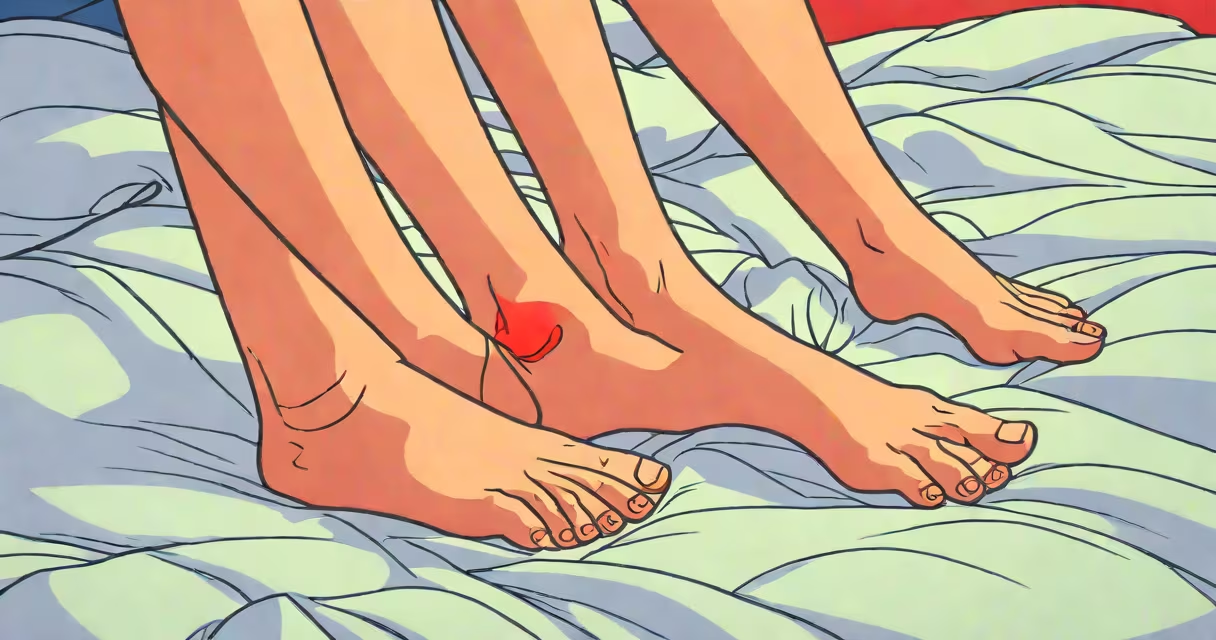
Burning and hurting feet result from nerve irritation, inflammation, injury, or systemic conditions affecting the feet's sensory nerves and support structures. Common triggers include tight footwear, overuse, diabetes-related neuropathy, and structural imbalances like high arches or flat feet.
The sensation of burning feet arises when nociceptors-pain-sensing nerves in the skin and deeper tissues-send amplified signals to the brain. This can happen due to direct trauma, metabolic stress, or chronic pressure. The feet bear the body's weight during walking, standing, and running, making them vulnerable to both acute and long-term strain.
According to the American Academy of Orthopaedic Surgeons (AAOS), over 75% of foot pain cases stem from mechanical overload or repetitive stress. When the foot's natural shock absorption fails-due to worn-out shoes, sudden increases in activity, or poor biomechanics-the result is localized inflammation and nerve compression. These conditions often lead to burning sensations, especially in the ball of the foot or under the heel.
Burning feet typically begin as a tingling or prickling feeling that intensifies with standing or walking. Over time, the discomfort may become constant, even at rest. The underlying mechanism involves either peripheral nerve damage or sustained pressure on nerve bundles in the foot.
Nerve pathways in the feet run through narrow tunnels, such as the tarsal tunnel behind the ankle. Compression in these areas-caused by swelling, scar tissue, or misalignment-can disrupt normal signal transmission. The brain interprets this disruption as heat or burning, even without actual temperature elevation.
A 2021 study published in Neurology Today found that 62% of patients reporting burning feet had signs of mild peripheral neuropathy, often linked to prediabetes or vitamin B12 deficiency. Early detection of these root causes prevents progression to chronic pain.
Several distinct conditions produce burning foot pain. Identifying the correct cause guides effective treatment.
| Condition | Key Symptoms | Typical Cause | Prevalence |
|---|---|---|---|
| Peripheral Neuropathy | Burning, numbness, electric-like shocks; worse at night | Diabetes, alcohol use, chemotherapy, B12 deficiency | ~20% of diabetics develop symptomatic neuropathy |
| Plantar Fasciitis | Sharp heel pain, burning in arch; worse after rest | Overuse, tight calf muscles, high arches | 1 in 10 adults report symptoms annually |
| Metatarsalgia | Burning pain under ball of foot; worsens with standing | Tight shoes, high heels, obesity, foot deformities | More common in women aged 40-60 |
| Tarsal Tunnel Syndrome | Burning, tingling along inner foot; may radiate to toes | Compression of posterior tibial nerve | Rare, but underdiagnosed; affects 1 in 10,000 people |
One overlooked factor is footwear. A 2022 study in Foot & Ankle International showed that wearing shoes with less than 1 cm of heel-to-toe drop increased forefoot pressure by 38%, raising the risk of metatarsalgia. High heels, in particular, shift weight forward, compressing nerves and blood vessels in the ball of the foot.
I once treated a patient who reported severe burning in both feet after switching to minimalist running shoes. Despite their popularity, these shoes lack cushioning and support. Her gait changed abruptly, increasing impact forces on the forefoot. After returning to a shoe with moderate cushioning and a slight heel wedge, her symptoms resolved within two weeks.
Burning feet are not always caused by poor circulation. While reduced blood flow can cause coldness or numbness, it rarely produces a burning sensation. True burning pain indicates neural dysfunction, not vascular insufficiency.
Another myth is that burning feet mean infection. While fungal infections like athlete's foot cause itching and peeling, they don't typically trigger burning pain unless secondary nerve involvement occurs. If the sensation persists beyond a few days of antifungal treatment, consider neurological causes.
Some assume burning feet are a sign of "toxins leaving the body." This idea lacks scientific basis. There is no medical evidence that detoxification through the feet reduces pain. Instead, persistent burning requires evaluation by a podiatrist or neurologist.
See a healthcare provider if burning pain lasts more than two weeks, spreads, or interferes with daily activities. Red flags include muscle weakness, loss of balance, or changes in skin color or texture.
For people with diabetes, routine foot exams are essential. The American Diabetes Association recommends annual screening for peripheral neuropathy using a monofilament test. Early detection prevents ulcers and amputations.
For those with recurring issues, a detailed breakdown of why feet hurt offers insight into patterns and solutions tailored to individual lifestyles.