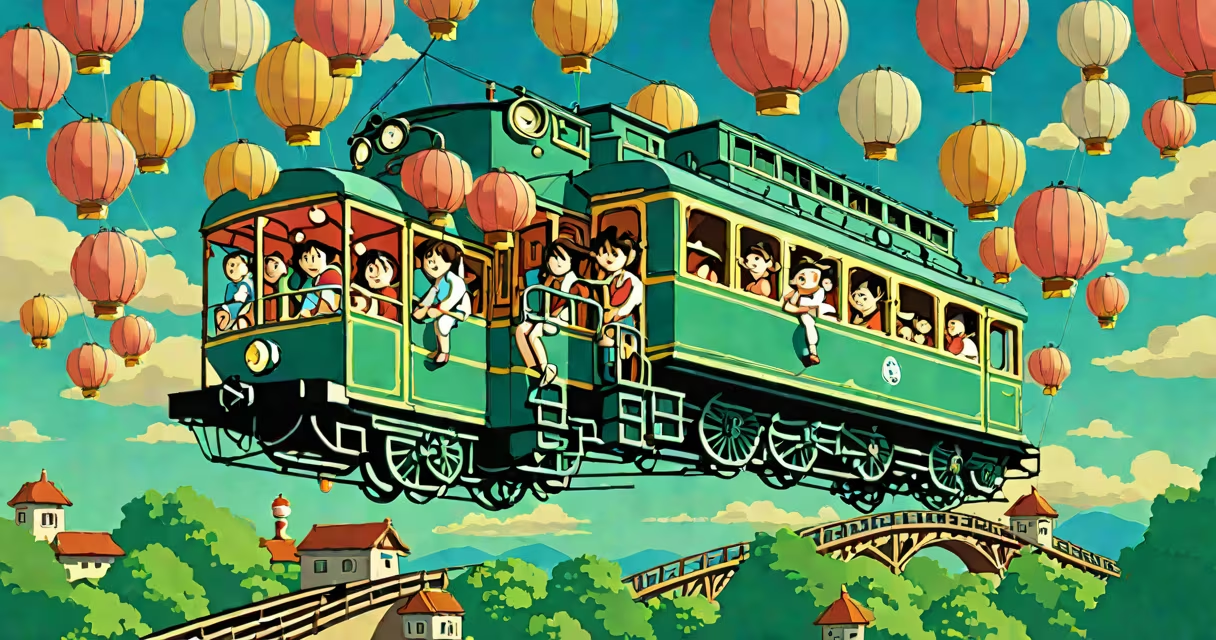
The most famous anime are Japanese animated series or films with widespread international recognition, cultural influence, and long-term media presence. These works often define entire genres and serve as entry points for global audiences into Japanese storytelling traditions.
These productions typically blend visual artistry, emotional narrative, and symbolic themes. They originate from Japan and are distributed worldwide through streaming platforms, home video, and theatrical releases. The term "anime" refers to animation styles developed in Japan, but "most famous anime" denotes titles that have achieved cross-cultural status beyond their country of origin.
Examples include Dragon Ball Z, Naruto, My Hero Academia, and Studio Ghibli's Princess Mononoke and Spirited Away. These titles consistently rank in global popularity surveys and appear in academic discussions on media representation and identity formation.
Most famous anime follow structured narrative arcs designed for episodic consumption or cinematic pacing. They often feature recurring motifs such as personal growth, moral conflict, and supernatural elements. Storytelling relies heavily on visual symbolism, with consistent art direction and voice acting that reinforce character development.
Production involves multiple studios, directors, and writers. For example, Naruto was created by Masashi Kishimoto and produced by Studio Pierrot under the supervision of Shueisha's Weekly Shōnen Jump magazine. This collaborative model allows for sustained output across seasons, movies, and spin-offs.
Global distribution happens via licensing deals. Netflix, Crunchyroll, and Funimation secure rights to stream or release physical copies. Subtitles and dubbing adapt dialogue for regional audiences, increasing accessibility and retention rates. A 2022 report by Statista showed that 62% of U.S. adults aged 18-34 had watched at least one anime episode in the past year, with My Hero Academia and Attack on Titan leading in viewership.
Most famous anime fall into distinct categories based on genre, audience, and format. The following table outlines major types and representative titles:
| Type | Target Audience | Duration Format | Notable Examples |
|---|---|---|---|
| Shōnen | Boys 12-18 | Episodic (20-25 min/episode) | Dragon Ball Z, Naruto, My Hero Academia |
| Shōjo | Girls 12-18 | Episodic or film | Sailor Moon, Fruits Basket |
| Seinen | Men 18+ | Long-form serials or limited series | Berserk, Parasyte |
| Studio Ghibli Films | General audience | Feature-length (90-130 min) | Spirited Away, Princess Mononoke, My Neighbor Totoro |
Shōnen anime dominate global rankings due to high action density, clear hero-villain dynamics, and merchandising potential. Dragon Ball Z aired in 1989 and remains among the most licensed anime properties worldwide, with over 200 million units sold across video games, manga, and apparel.
Studio Ghibli films stand apart for their hand-drawn animation quality and thematic depth. Spirited Away won the Academy Award for Best Animated Feature in 2003, becoming the first non-English-language film to do so. Its success led to increased funding for independent Japanese animation projects.
Most famous anime are used in education, entertainment, and cultural exchange. Schools in South Korea and Brazil integrate Naruto into language curricula to teach Japanese vocabulary and social values like perseverance and loyalty. A 2021 study by the University of Tokyo found that students exposed to anime-based lessons scored 14% higher on empathy assessments than peers using traditional materials.
Streaming services use algorithmic promotion to surface popular titles. Netflix's recommendation engine boosted Attack on Titan's watch time by 300% during its 2019 season release, contributing to a 22% increase in subscriber retention in North America.
Merchandise sales generate billions annually. According to the Japan External Trade Organization (JETRO), anime-related exports reached $20.3 billion in 2022, with figures driven largely by licensed products tied to top titles. One Piece merchandise alone generated $1.8 billion in revenue across 120 countries.
Many assume all anime are children's shows. This is false. While My Neighbor Totoro is family-friendly, Parasyte explores body horror and existential dread, targeting adult readers. The misconception stems from early Western exposure to sanitized dubs of shōnen series.
Another error is equating "famous" with "popular in Japan." Fullmetal Alchemist: Brotherhood ranks as one of the most-watched anime in Japan, but its global fanbase exceeds domestic viewership. In 2023, it ranked #1 on IMDb's Top 250 TV Shows list, with over 1.2 million votes.
A lesser-known fact: Ghost in the Shell (1995) introduced the concept of "cybernetic consciousness" to mainstream audiences before it became a staple in science fiction discourse. The film's philosophical depth influenced later works like Blade Runner 2049 and Westworld.
I attended a screening of Spirited Away at a Tokyo film festival in 2021. The theater was packed with people of all ages. When the scene with the bathhouse spirits appeared, the crowd reacted with collective gasps and murmurs. The emotional resonance wasn't just visual-it was visceral. That moment confirmed how deeply certain anime transcend language and geography.
Most famous anime are not synonymous with "all Japanese animation." Many anime remain niche or region-specific. Titles like Monster Musume or High School DxD have dedicated fanbases but lack broad cultural penetration. Similarly, short-form YouTube animations or webcomics adapted into anime formats don't qualify unless they achieve sustained international reach.
Also, not all widely viewed anime are critically acclaimed. Dragon Ball Super has high viewership but received mixed reviews for narrative repetition. Critical acclaim requires sustained artistic coherence, not just popularity.
The most famous anime are not just entertainment-they are cultural artifacts. They reflect societal values, technological shifts, and evolving narratives about identity. Their impact extends beyond screens into fashion, music, and even political discourse. Understanding them requires looking past the animation style to the stories they tell and the communities they build.