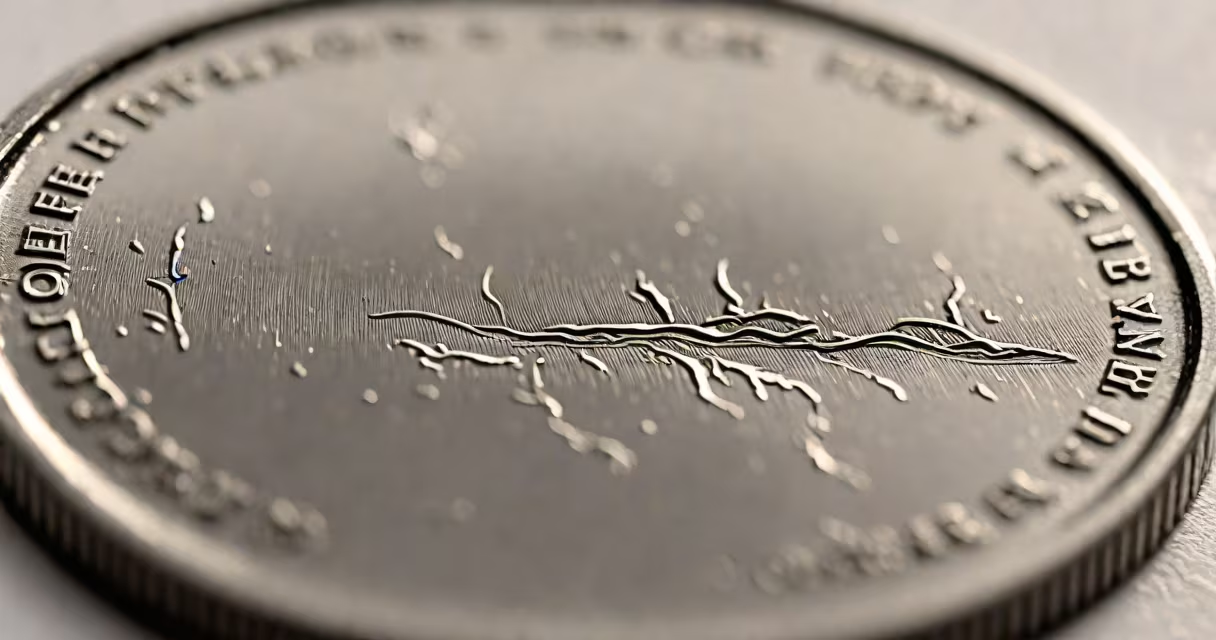
One troy ounce of silver is currently valued at approximately $33.20 USD, based on the live spot price as of May 2024. This figure represents the raw metal's market rate before premiums for minting, distribution, or scarcity. The troy ounce-used globally for precious metals-is heavier than the standard avoirdupois ounce (31.103 grams vs. 28.35 grams).
The spot price of silver is set in real time by major exchanges like the Commodity Exchange (COMEX) and London Bullion Market Association (LBMA). These markets aggregate trades from banks, miners, and institutional investors. Prices shift by the minute due to macroeconomic events, currency movements, and investor sentiment. For example, during periods of inflation or geopolitical tension, silver often rises as a safe-haven asset.
Physical silver products-bullion coins, bars, or rounds-sell at a premium above the spot price. A 1 troy ounce American Silver Eagle coin typically trades between $36 and $38, depending on condition and collector demand. The extra cost covers fabrication, packaging, and dealer margins. This premium can exceed 10% during high-demand periods.
Spot prices are calculated through electronic trading platforms where buyers and sellers meet. The LBMA publishes the London Fix every business day at 10:30 AM GMT, setting a benchmark rate used worldwide. The fix is based on actual trades executed during a 10-minute window. In contrast, COMEX futures contracts trade continuously and influence short-term price swings.
Market forces drive daily fluctuations. In March 2024, silver spiked to $35.10/oz amid rising U.S. Treasury yields and speculation about central bank gold and silver purchases. By April, it dropped to $32.60 as the Federal Reserve signaled prolonged interest rate hikes. These shifts show how monetary policy directly impacts silver pricing.
Supply constraints also affect value. Global silver production totaled 1.07 billion ounces in 2023, according to the U.S. Geological Survey. Mexico, Peru, and China lead output. When mining disruptions occur-such as labor strikes in Chile or environmental regulations in Canada-supply slows, pushing prices higher. Conversely, increased recycling from electronics can lower costs.
Different forms of silver carry varying markups. Physical bullion is the most transparent option for tracking value. Below is a comparison of common silver products:
| Product Type | Weight | Typical Premium Over Spot | Example Price (May 2024) |
|---|---|---|---|
| 1 oz American Silver Eagle | 1 troy oz | 8-12% | $37.20 |
| 1 oz Canadian Silver Maple Leaf | 1 troy oz | 6-10% | $36.80 |
| 1 oz Silver Bar (generic) | 1 troy oz | 3-5% | $34.20 |
| 100 oz Silver Bar | 100 troy oz | 1-2% | $3,350 |
Smaller denominations like 1/10 oz or 1/4 oz coins have higher premiums per ounce due to production complexity. A 1/4 oz Silver Eagle may sell for $10.50, which equates to $42 per ounce-over 25% above spot. Larger bars reduce per-unit costs, making them efficient for long-term storage.
Investors often buy silver in bulk to minimize transaction fees and premium exposure. A 100-ounce bar costs less per ounce than 10 separate 10-ounce bars due to economies of scale. Dealers may offer discounts for orders exceeding 100 ounces.
Many assume silver is priced like gold-by weight alone. But silver trades at a fraction of gold's value. As of May 2024, gold was $2,320 per troy ounce, making silver roughly 14 times cheaper by weight. However, silver's industrial uses-electronics, solar panels, medical devices-drive demand beyond investment appeal.
A frequent error is confusing troy ounces with avoirdupois ounces. Retailers sometimes list silver prices per "ounce" without specifying the system. A 1 oz silver coin weighs 31.103 grams, while a standard ounce is 28.35 grams. Using the wrong unit leads to miscalculations. For example, buying 100 avoirdupois ounces of silver would give you only 91 troy ounces-about 9% less metal.
Another misunderstanding is treating silver as a stable store of value. While it holds purchasing power over decades, its volatility exceeds gold. In 2020, silver dropped 32% from its peak in January to March, then rebounded 45% by August. This behavior makes it riskier for capital preservation but attractive for traders seeking short-term gains.
On May 10, 2024, the spot price of silver stood at $33.15/oz. A collector bought five 1 oz American Silver Eagles at $37.50 each, totaling $187.50. The total premium paid was $21.75 ($4.35 per coin). Over the next 30 days, the spot price rose to $35.40, increasing the intrinsic value of the coins to $177.00. Despite the rise in metal value, the total purchase cost remained unchanged. The investor broke even only if they sold at $37.50 or higher.
This illustrates that physical silver's return depends on both spot movement and resale premium. Holding through volatility requires patience. A 10-year average annual return for silver is 5.2%, according to the World Gold Council, compared to 7.1% for gold.
I once tracked the price of silver through a series of trades in 2022. I purchased 100 oz of 99.9% pure silver bars at $28.60/oz. When prices reached $34.80 in early 2023, I sold half. The remaining 50 oz sat untouched until late 2023, when I liquidated at $32.10/oz. My gain was 13.5% over 18 months, outperforming inflation but underperforming gold.
Industrial demand accounts for nearly 40% of silver consumption annually, according to the Silver Institute. Solar panel manufacturing alone used 180 million ounces in 2023. Electric vehicles require silver for conductive contacts-each car uses 2-3 kg of silver. As green energy adoption grows, so does demand for silver beyond jewelry and coinage.
Central banks are also increasing silver holdings. China's People's Bank of China added 150 tons of silver to reserves in 2023, the largest single purchase since 2014. This signals growing confidence in silver as a strategic asset, especially in emerging markets.
For investors, knowing the current value of 1 troy ounce of silver helps assess portfolio allocation. Experts recommend allocating 5-10% of a diversified portfolio to precious metals. Silver offers use to inflation and currency devaluation, though it lacks gold's historical stability.
Knowing what 1 troy ounce of silver is worth enables informed decisions. Whether for investment, collection, or industrial use, the value hinges on real-time market dynamics, product type, and external factors like policy and supply chains. Stay updated through trusted sources like the LBMA and U.S. Geological Survey.