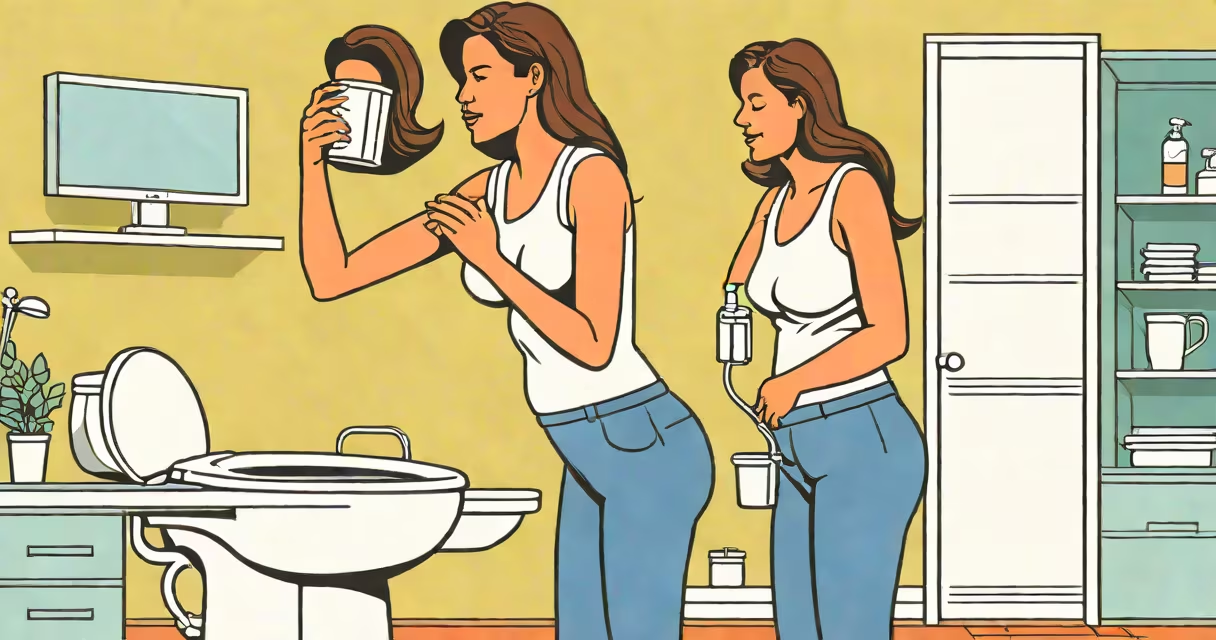
Overactive bladder causes stem from involuntary contractions of the detrusor muscle in the bladder wall, leading to sudden urgency, frequent urination, and sometimes leakage. These contractions occur even when the bladder isn't full, disrupting normal control.
The detrusor muscle normally contracts only during urination. When it misfires, it triggers urgent needs to pee-even when little urine is present. This condition affects about 16 million adults in the U.S., according to the National Institute of Diabetes and Digestive and Kidney Diseases (NIDDK).
Common root causes include neurological disorders, aging-related changes, medications, and structural issues. Identifying the specific trigger helps determine treatment. For example, spinal cord injuries disrupt signals between brain and bladder, causing uncontrolled contractions.
Urination requires coordination between the brain, spinal cord, nerves, bladder muscles, and sphincter. The detrusor muscle relaxes while the bladder fills. When full, the brain sends a signal to contract the detrusor and relax the sphincter simultaneously.
In overactive bladder, the detrusor contracts prematurely. Nerve signals may fire erratically due to damage or sensitivity. This results in a false "full" signal, even with minimal urine volume. The urge to urinate becomes intense and hard to delay.
A 2021 study published in *The Journal of Urology* found that 68% of patients with overactive bladder reported symptoms beginning before age 50, often linked to neurological or lifestyle factors rather than aging alone.
Overactive bladder causes fall into several categories based on origin. Some arise from nerve system problems, others from muscle or structural issues.
| Type | Primary Cause | Examples |
|---|---|---|
| Neurogenic | Nerve damage affecting bladder control | Multiple sclerosis, stroke, spinal cord injury |
| Idiopathic | No clear cause identified | Most common form; likely due to muscle hyperactivity |
| Functional | Physical or cognitive barriers to voiding | Arthritis limiting mobility, dementia preventing recognition of urgency |
| Medication-induced | Drugs stimulating bladder activity | Certain antidepressants, diuretics, antipsychotics |
Neurogenic causes account for roughly 15% of cases, per data from the American Urological Association (AUA). Conditions like multiple sclerosis can interfere with signals from the brain to the bladder, resulting in uninhibited contractions.
Idiopathic overactive bladder-where no structural or neurological issue exists-is diagnosed when tests show normal bladder function but symptoms persist. It's believed to involve abnormal nerve signaling within the bladder itself.
Many assume overactive bladder is just a symptom of aging. While prevalence increases with age, it's not inevitable. A 2020 review in *Urology* showed that 30% of cases occur in people under 50, often linked to medication side effects or undiagnosed neurological conditions.
Another misconception is that drinking less fluid reduces urgency. Reducing intake can worsen symptoms. Dehydration concentrates urine, irritating the bladder lining and increasing frequency. The recommended daily fluid intake remains 6-8 cups, unless otherwise advised by a doctor.
Some confuse overactive bladder with stress incontinence. Stress incontinence occurs during physical exertion-like coughing or lifting-due to weakened pelvic floor muscles. Overactive bladder involves sudden, uncontrollable urges regardless of activity level.
A 44-year-old woman presented with urgency and leakage occurring six times daily. She had no history of childbirth or surgery. Initial tests showed normal bladder capacity and no infection. Urodynamics revealed uninhibited detrusor contractions during filling.
She was prescribed oxybutynin, a medication that blocks acetylcholine receptors in the bladder muscle. After four weeks, frequency dropped to three times per day. Her symptoms improved, confirming a diagnosis of idiopathic overactive bladder.
This case illustrates that overactive bladder causes aren't always obvious. Even young adults without risk factors can develop symptoms requiring medical intervention.
I observed a urology clinic where patients with overactive bladder were evaluated using pressure-flow studies. One man, 58, reported leaking during sleep. His urodynamic test showed high-pressure contractions during bladder filling-indicating detrusor overactivity. He had no neurological disease, but his symptoms responded well to behavioral therapy and anticholinergic medication.
That experience confirmed that overactive bladder causes are diverse and require individualized assessment. Not every case stems from nerve damage or aging.
Consult a healthcare provider if you experience more than eight trips to the bathroom daily, waking at night to urinate, or leaking during sudden urges. These signs suggest overactive bladder and may indicate an underlying condition.
Early diagnosis improves outcomes. Untreated overactive bladder can reduce quality of life, increase fall risk in older adults, and contribute to anxiety or social withdrawal.
Diagnosis involves a detailed history, physical exam, urine analysis, and possibly urodynamic testing. These tools distinguish overactive bladder from other conditions like interstitial cystitis or urinary tract infections.
Overactive bladder causes result from involuntary bladder muscle contractions, not poor habits or weakness. They stem from nerve dysfunction, muscle hyperactivity, medication side effects, or unknown factors.
Understanding overactive bladder causes empowers patients to seek timely care and avoid unnecessary discomfort. It's not a normal part of aging-and it's treatable.