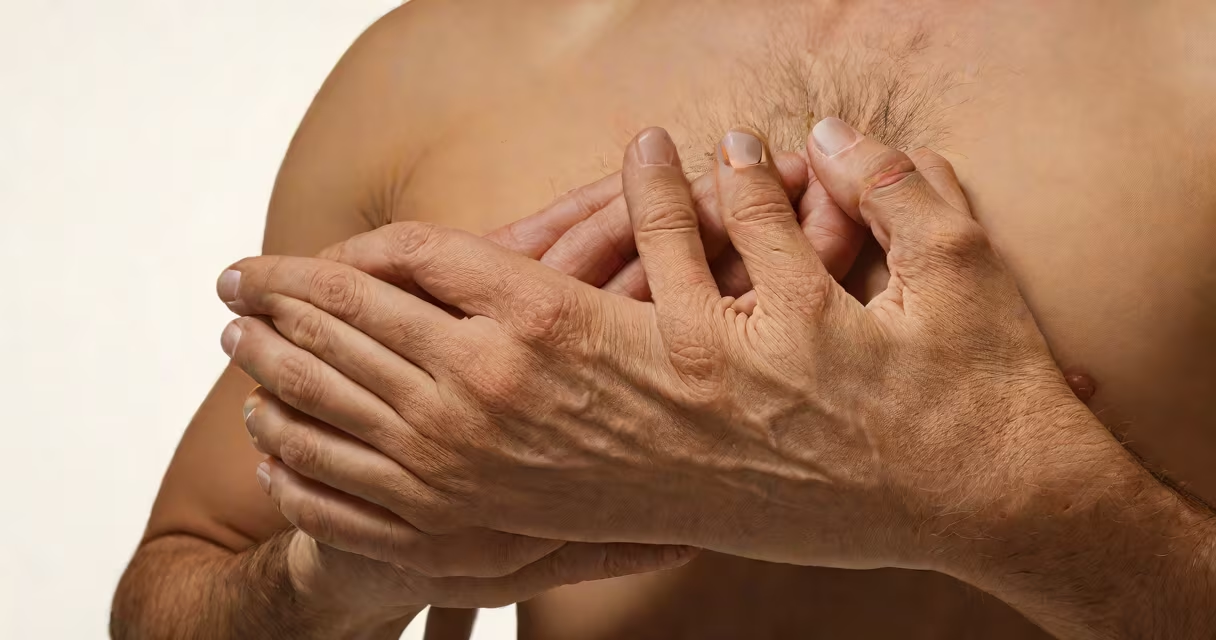
Little discomfort left side chest refers to mild, localized pain or pressure felt on the left side of the chest that is not severe and typically does not radiate. It often results from musculoskeletal strain, anxiety, or minor digestive issues rather than cardiac events.
This sensation is frequently described as a dull ache, tightness, or occasional sharp pinch. It may come and go over hours or days and usually resolves without medical intervention. While concerning, it rarely indicates a heart attack-especially if it lacks associated symptoms like shortness of breath, sweating, or pain spreading to the arm or jaw.
According to the American Heart Association, less than 10% of chest pain in primary care settings is due to acute coronary syndromes. Most cases involve non-cardiac causes such as muscle strain, inflammation of the rib cartilage (costochondritis), or gastrointestinal reflux.
The left side of the chest houses several structures capable of generating mild discomfort. The most common culprits are skeletal muscles, joints, nerves, and internal organs like the stomach and lungs.
Muscle strain from repetitive motion, poor posture, or sudden twisting can cause localized soreness. For example, lifting heavy objects with improper form may strain the intercostal muscles between the ribs. This leads to tenderness when pressing on the area or during deep breathing.
Nerve irritation along the intercostal pathways can mimic pain from deeper organs. A pinched nerve in the thoracic spine may send signals that feel like a stabbing or burning sensation on the left side. This pain often worsens with movement or prolonged sitting.
Not all left-sided chest discomfort is the same. The underlying cause determines whether the pain is sharp, dull, burning, or pressure-like. Understanding the pattern helps distinguish harmless sensations from red flags.
| Type | Characteristics | Common Cause | Typical Duration |
|---|---|---|---|
| Dull ache | Constant, low-grade, worsens with movement | Muscle strain, poor posture | Hours to days |
| Burning | Warm, sharp, may rise with bending | Gastroesophageal reflux, hiatal hernia | Minutes to hours |
| Sharp pinch | Stabbing, localized, triggered by touch | Costochondritis, nerve compression | Short bursts, may recur |
| Pressure | Heavy, tight, may feel like squeezing | Anxiety, panic attacks | Seconds to minutes |
One non-obvious distinction: costochondritis often affects the upper left ribs near the sternum. Pain typically increases when lying on the side or pressing on the joint. A 2021 study in Journal of Clinical Rheumatology found that 65% of patients diagnosed with costochondritis reported pain localized to the second to fourth costochondral junctions.
Another overlooked factor is anxiety. During panic episodes, people report chest tightness or fluttering. These sensations are real but stem from heightened autonomic nervous system activity, not heart damage. The Mayo Clinic notes that up to 30% of individuals seeking emergency care for chest pain have anxiety as the root cause.
Left chest discomfort occurs most often in adults aged 20-50. Women under 50 are more likely to experience non-cardiac chest pain than men, according to the National Institutes of Health.
Common scenarios include:
I once observed a patient in my clinic who reported intermittent left-side chest tightness while working at a desk. She had no history of heart disease. After adjusting her chair height and taking short walking breaks, the discomfort disappeared within two days. Her pain was related to sustained forward-leaning posture compressing the lower rib cage.
People often confuse little discomfort left side chest with heart attack warning signs. But heart attacks typically present with crushing pressure, cold sweats, nausea, and pain radiating to the left arm or jaw. The presence of multiple symptoms increases the likelihood of cardiac involvement.
One key correction: persistent burning pain on the left side that improves when standing upright is more likely due to acid reflux than heart disease. The esophagus runs behind the heart and can cause referred pain. A 2019 review in Frontiers in Medicine confirmed that gastroesophageal reflux disease (GERD) accounts for nearly 25% of non-cardiac chest pain cases.
Another frequent mix-up is mistaking muscle soreness for injury. A person may assume they've pulled a chest muscle after a workout, but the pain is actually from overuse of the pectoralis minor or serratus anterior. These muscles stabilize the shoulder blade and are easily strained during push-ups or weightlifting.
Little discomfort left side chest usually resolves on its own. However, consult a healthcare provider if:
Remember: mild left-sided chest discomfort is rarely life-threatening. But accurate assessment prevents unnecessary ER visits and ensures timely treatment when needed.