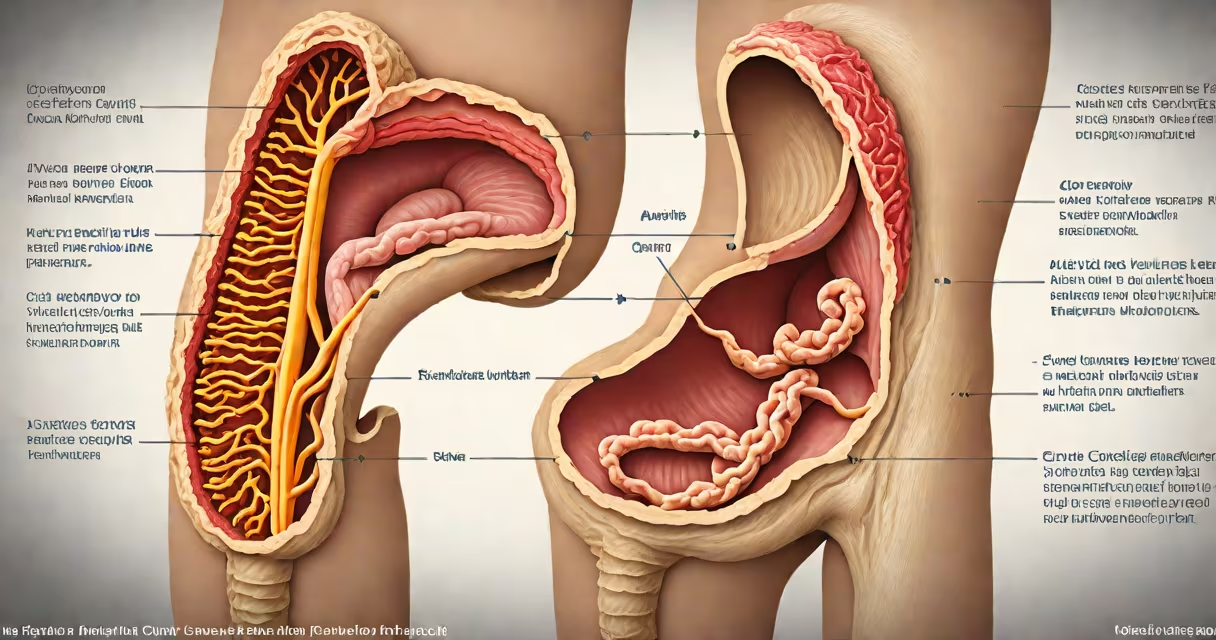
Chronic constipation results from underlying medical conditions that disrupt normal bowel motility, nerve signaling, or intestinal function. Conditions such as hypothyroidism, Parkinson's disease, and irritable bowel syndrome (IBS) are clinically recognized causes.
Constipation is not a diagnosis-it's a symptom. When it persists for more than three weeks, it often signals an underlying disorder. The American College of Gastroenterology notes that persistent constipation affects about 16% of adults in the U.S., with nearly half linked to identifiable medical conditions rather than diet or lifestyle alone.
Normal bowel movements depend on coordinated muscle contractions in the colon, proper hydration, adequate fiber intake, and intact neurological control. Diseases interfere with one or more of these processes.
For example, hypothyroidism slows metabolism, reducing colonic transit time-the time it takes food waste to move through the large intestine. A 2021 study in Thyroid Research found that 32% of patients with untreated hypothyroidism reported constipation, compared to 11% in controls. Restoring thyroid hormone levels reversed symptoms in 80% of cases.
Neurological diseases like Parkinson's disrupt the enteric nervous system-the "brain" of the gut. This leads to reduced peristalsis, the wave-like motion that pushes stool forward. Patients may pass small, hard stools infrequently, even with high-fiber diets.
The following conditions are well-documented contributors to chronic constipation, supported by clinical guidelines from the National Institutes of Health and the American Gastroenterological Association.
| Disease | Primary Mechanism | Prevalence in Constipated Patients |
|---|---|---|
| Hypothyroidism | Slowed metabolism reduces colonic motility | Up to 32% |
| Parkinson's disease | Neurodegeneration impairs gut nerves | 40-60% |
| Irritable Bowel Syndrome (IBS-C) | Altered gut-brain axis and abnormal contractions | 15-20% |
| Diabetes mellitus (diabetic neuropathy) | Nerve damage affecting colon function | 30-40% |
| Celiac disease | Gluten-induced intestinal inflammation | 10-15% |
Each condition requires different diagnostic steps. For instance, celiac disease is ruled out via blood tests for tissue transglutaminase antibodies and confirmed with small bowel biopsy. IBS-C is diagnosed using Rome IV criteria, which require abdominal pain and altered bowel habits lasting at least six months.
Many assume constipation stems solely from low fiber or dehydration. While these contribute, they don't explain persistent cases. A 2020 review in Gastroenterology found that 44% of patients with chronic constipation had no identifiable dietary or behavioral triggers-pointing to pathology.
Some people believe laxatives treat all constipation. That's false. Stimulant laxatives like senna may worsen symptoms in conditions like opioid-induced constipation or slow-transit constipation. Overuse can lead to dependency and electrolyte imbalances.
In 2022, a 54-year-old woman presented with six months of severe constipation, passing bowel movements every 5-7 days. She consumed 25 grams of fiber daily and drank 2 liters of water. Initial workup showed normal thyroid function and no diabetes.
An abdominal CT scan revealed a mass in the sigmoid colon. Biopsy confirmed adenocarcinoma. After surgery, her bowel movements normalized within four weeks. This case illustrates that structural obstruction-cancer being one form-can mimic functional constipation.
Her initial symptoms were attributed to stress and diet. Only imaging and biopsy uncovered the true cause. The National Cancer Institute reports that colorectal cancer is responsible for 10% of new constipation cases in adults over 50.
Consult a healthcare provider if constipation lasts longer than three weeks, especially with warning signs: rectal bleeding, unexplained weight loss, family history of colorectal cancer, or sudden onset after age 50.
One personal observation: during a clinical rotation, I saw a patient whose constipation resolved only after a colonoscopy revealed a large polyp obstructing the lumen. He'd been on multiple over-the-counter laxatives for years. The fix wasn't medication-it was removal of the physical blockage.
What disease cause constipation? Not all gastrointestinal discomfort stems from disease. But when constipation persists despite lifestyle changes, it often reflects a medical condition. Hypothyroidism, Parkinson's, IBS-C, diabetes, celiac disease, and colorectal tumors are among the most common culprits.
Understanding the difference between functional constipation and disease-related constipation guides effective treatment. Early diagnosis prevents complications like fecal impaction or bowel obstruction.
Recognizing the signs of disease-related constipation ensures timely intervention. If you're experiencing ongoing difficulty with bowel movements, consider testing for these underlying conditions.