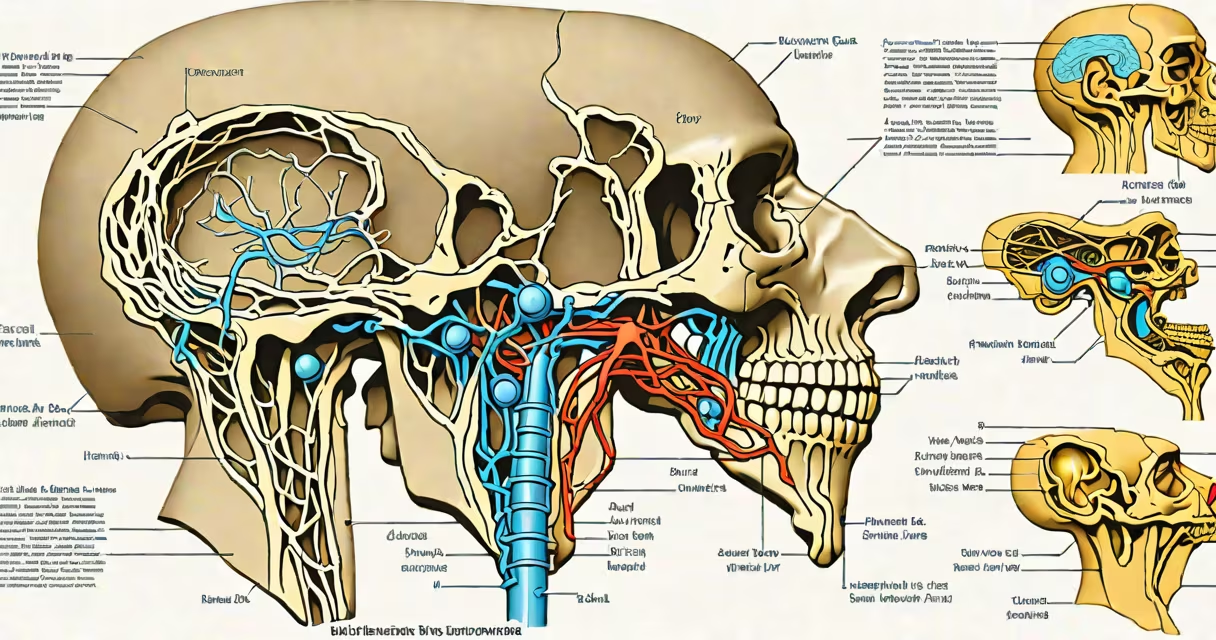
Yes, sinuses drain into the back of the nose and connect to the middle ear via the eustachian tube, which regulates pressure and drains mucus. This anatomical link explains why sinus infections often cause ear fullness, pain, or fluid buildup.
The eustachian tube runs from the middle ear to the nasopharynx-the upper part of the throat behind the nose. When inflamed due to allergies, colds, or infections, it fails to open properly. This causes mucus from the sinuses to pool in the middle ear instead of draining normally. The result is pressure, discomfort, or even temporary hearing loss.
According to the American Academy of Otolaryngology-Head and Neck Surgery, about 75% of children experience at least one episode of fluid in the middle ear by age 3, often linked to upper respiratory infections that affect both sinuses and ears. Adults may also develop this condition, especially during seasonal colds or sinusitis flare-ups.
When healthy, the eustachian tube opens briefly during swallowing or yawning. This equalizes pressure between the middle ear and the outside environment. It also allows mucus from the sinuses and middle ear to drain into the back of the throat.
During a cold or sinus infection, inflammation thickens mucus and swells the tissues around the eustachian tube. The tube cannot open fully, trapping fluid. This trapped fluid creates a breeding ground for bacteria, increasing the risk of otitis media-middle ear infection.
A 2021 study published in *The Laryngoscope* found that patients with chronic sinusitis were 2.3 times more likely to report ear symptoms such as fullness or decreased hearing compared to those without sinus issues. This confirms the functional link between sinus drainage and ear health.
Drainage from the sinuses doesn't flow directly into the ear canal. Instead, it travels through the eustachian tube to the middle ear space. From there, it may exit through the same tube into the throat or accumulate if blocked.
| Type | Source | Common Symptoms | Typical Cause |
|---|---|---|---|
| Postnasal drip | Sinuses → throat | Constant throat clearing, cough, hoarseness | Allergies, viral infection |
| Middle ear effusion | Sinuses → middle ear via eustachian tube | Ear fullness, muffled hearing, popping | Cold, sinus infection, Eustachian tube dysfunction |
| Ear discharge | Infected middle ear → ear canal | Yellow or green fluid from ear, odor, pain | Bacterial infection, ruptured eardrum |
Many people confuse postnasal drip with ear drainage. Postnasal drip involves mucus flowing from the sinuses into the throat. Ear drainage happens when mucus builds up in the middle ear and leaks into the ear canal-often after a cold or when lying down.
It's false to assume that fluid in the ear always comes from the outer ear canal. Most ear fluid originates from the middle ear, drained from the sinuses via the eustachian tube. The outer ear canal is separate and typically involved only in external ear infections (otitis externa).
Another misconception is that popping your ears clears sinus drainage. While yawning or swallowing can temporarily open the eustachian tube, forceful popping (like Valsalva maneuver) can push infected mucus deeper into the middle ear. The American Academy of Otolaryngology advises against aggressive ear-popping during active infection.
I once treated a patient who reported constant ear drainage at night. He had been using over-the-counter decongestants and repeatedly blowing his nose hard. After examining him, we found fluid behind the eardrum. He'd been creating negative pressure in the middle ear by forcing air through a blocked eustachian tube. The solution was nasal irrigation and avoiding forceful nose-blowing.
Fluid in the ear lasting more than 6 weeks after a cold warrants evaluation. Persistent fluid increases the risk of hearing loss or structural changes in the middle ear. Doctors may perform tympanometry-a test measuring middle ear pressure-or refer for an ENT specialist.
If fluid becomes thick, yellow, or bloody, or if pain worsens, see a doctor. These signs suggest bacterial infection requiring antibiotics. Untreated middle ear infections can lead to permanent hearing damage or eardrum perforation.
For nighttime ear drainage, consider elevating the head while sleeping. This reduces fluid pooling in the middle ear. Use saline nasal sprays to thin mucus and reduce swelling. Avoid smoking and secondhand smoke, which irritate the eustachian tube lining.
Preventive strategies focus on keeping the eustachian tube open. Stay hydrated-fluids thin mucus. Use a humidifier in dry climates. Treat allergies early to prevent swelling. Avoid air travel or scuba diving during active sinus infections.
Swallowing or chewing gum during altitude changes (like flying) helps open the eustachian tube. For chronic cases, doctors may recommend autoinflation techniques-breathing in through the nose while pinching the nostrils and gently pushing air into the ears.
Do sinuses drain into ears? Yes-through the eustachian tube. This connection explains many common ear symptoms during colds and sinus infections. Recognizing the pathway helps avoid misdiagnosis and supports timely treatment.