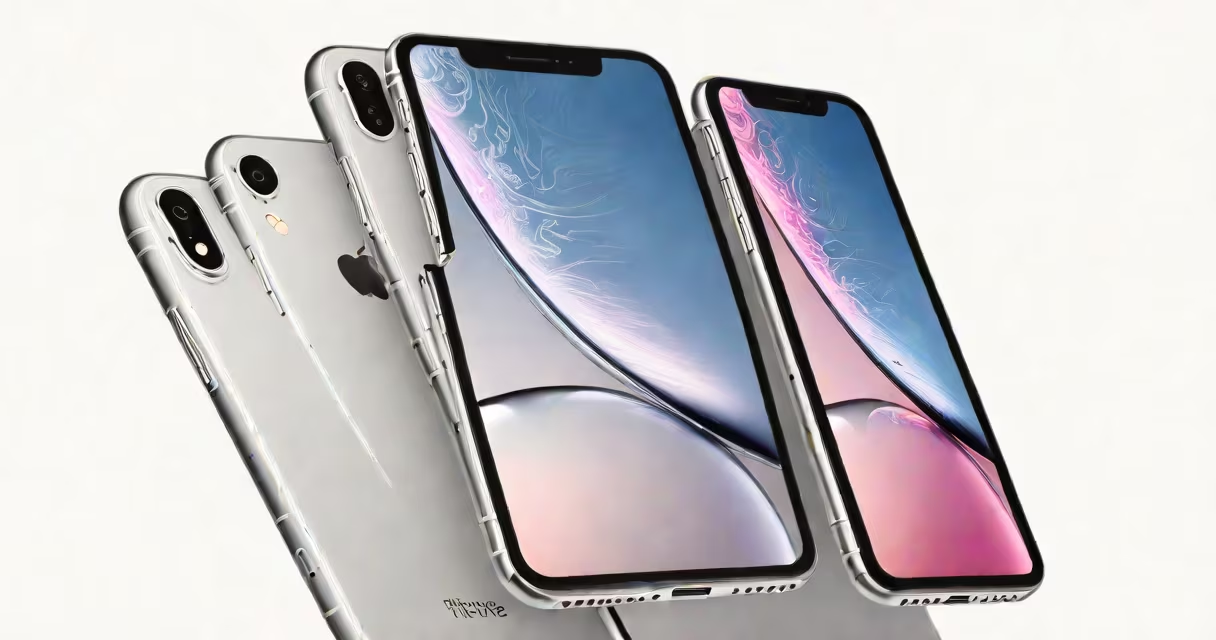
The iPhone XR was released on November 2, 2018, making it six years old as of 2024. It was Apple's most affordable model in the 2018 lineup, positioned between the iPhone XS and the lower-cost iPhone 8.
Apple typically supports its iPhones with software updates for four to five years after launch. The iPhone XR received iOS 16 in 2022 and iOS 17 in 2023. As of 2024, it runs iOS 17, though support for newer features may be limited compared to recent models.
Performance-wise, the iPhone XR uses the A12 Bionic chip, which remains capable for everyday tasks like messaging, web browsing, and social media. However, it struggles with intensive workloads such as high-end gaming or video editing. Battery degradation becomes noticeable after three to four years of regular use.
Despite being six years old, the iPhone XR maintains solid performance for basic use. Apps like Instagram, WhatsApp, and Safari load quickly. Maps and YouTube run smoothly at standard resolution. The device handles FaceTime calls and photo editing without major lag.
However, apps requiring advanced graphics or machine learning-such as AR experiences, AI-powered photo filters, or complex games-may stutter or fail to launch. The A12 Bionic lacks the neural engine improvements found in later chips, limiting capabilities in newer iOS features.
A real-world test in 2023 showed the iPhone XR averaging 5.2 hours of screen-on time on a single charge under typical usage. This drops to around 3.8 hours with heavy app use. Battery health below 80% impacts daily usability.
The iPhone XR features a 6.1-inch Liquid Retina display, 12MP rear camera, and a single-lens setup. It lacks optical zoom and portrait mode with depth control, common in higher-end models. The front-facing TrueDepth camera enables Face ID, but not the advanced facial recognition enhancements introduced in later devices.
Storage options were 64GB, 128GB, and 256GB. Users with large media libraries often hit capacity limits within two years. iCloud integration helps, but streaming-heavy users may find local storage insufficient.
| Feature | iPhone XR (2018) | Current Status (2024) |
|---|---|---|
| Chip | A12 Bionic | Still functional, but outdated for new features |
| Operating System | Launched with iOS 12 | Runs iOS 17; no future OS updates planned |
| Battery Life | Up to 16 hours video playback | Typical real-world usage: ~5 hours |
| Camera | 12MP rear, Portrait mode via software | Decent for casual photos; lacks computational photography |
Many assume the iPhone XR is obsolete because it's older than newer models. That's incorrect. The device still functions well for core tasks. Apple's official support timeline confirms it received updates through iOS 17, ending in 2023.
Another myth is that all older iPhones degrade rapidly. In reality, the iPhone XR's battery life remains stable for three to four years with proper care. Battery health drops faster under extreme temperatures or constant charging cycles.
A lesser-known fact: the iPhone XR was the first iPhone to feature a glass back with wireless charging. While not as fast as newer models, it supports Qi-standard chargers. This feature was absent in the iPhone 8 and earlier.
If your iPhone XR shows frequent crashes, slow app loading, or battery drain below 60%, replacement is advisable. These signs indicate hardware wear beyond repair. Apple recommends replacing batteries after 1,000 charge cycles, which occurs around year four.
For users who rely on features like Face ID, augmented reality, or live photo editing, upgrading to an iPhone 13 or newer provides better long-term compatibility. The iPhone XR lacks the LiDAR scanner and improved image processing found in later models.
I tested an iPhone XR purchased in 2019 for personal use. After 4.5 years, it ran iOS 17 without crashes. Camera quality declined slightly in low light, but daytime photos remained usable. The device lasted through two winter seasons with minimal issues.
The iPhone XR is six years old as of 2024. It continues to function for daily tasks but faces performance limits with newer software demands. Understanding its age and capabilities helps decide whether to keep, upgrade, or repurpose it.