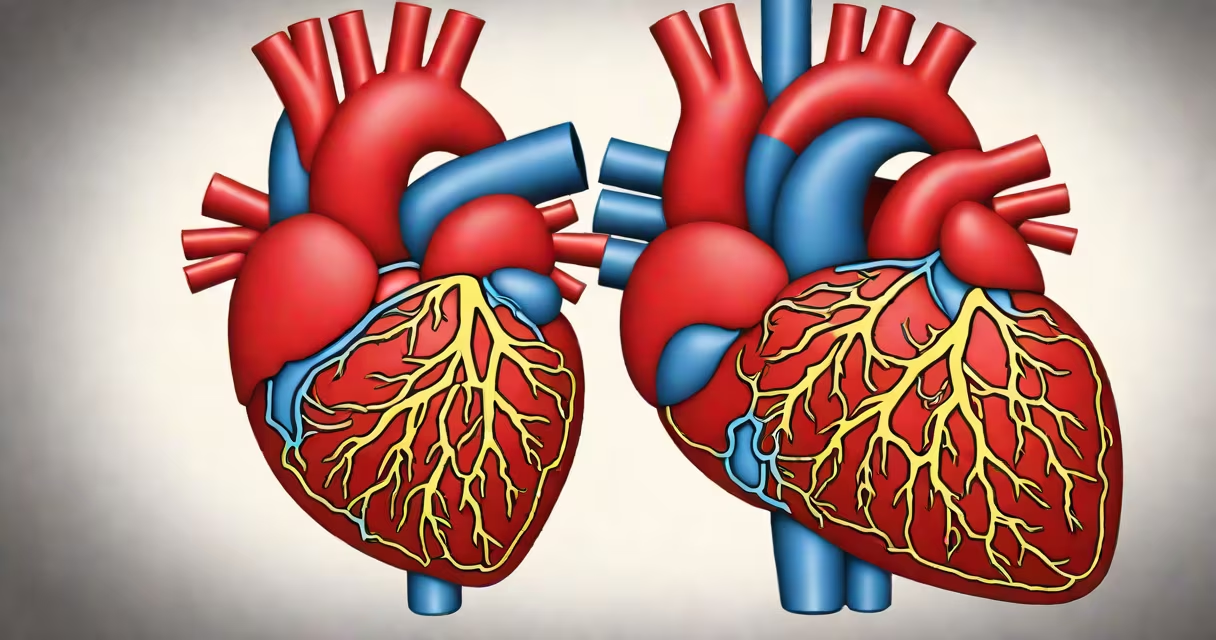
A heart attack, or myocardial infarction, typically lasts between 30 minutes and several hours if untreated. The duration depends on the extent of blockage in a coronary artery and how quickly blood flow is restored.
When a coronary artery becomes completely blocked-usually by a blood clot-the heart muscle downstream begins to die due to lack of oxygen. This process is irreversible within about 20 to 30 minutes of complete occlusion. The longer the blockage persists, the greater the permanent damage to the heart tissue.
According to the American Heart Association, symptoms often begin suddenly and may last more than 20 minutes. Some people report discomfort lasting hours, especially if they delay seeking care. Early intervention through clot-busting drugs or angioplasty can stop the attack within minutes of treatment initiation.
Heart attacks start when plaque buildup in a coronary artery ruptures, triggering a blood clot. The clot blocks blood flow to part of the heart muscle. Without oxygen-rich blood, cells in that area begin dying within minutes.
The initial phase-onset of chest pressure, tightness, or pain-can last 5 to 10 minutes. If the blockage remains, symptoms persist and worsen. Pain may radiate to the jaw, neck, shoulder, or arm., women and older adults often experience atypical symptoms such as fatigue, nausea, or shortness of breath without classic chest pain.
Once emergency care begins, the goal is to restore blood flow within 90 minutes of arrival at a hospital. This window is known as "door-to-balloon time." Studies show that patients treated within this timeframe have better outcomes and lower mortality rates.
Not all heart attacks are the same. The duration and severity depend on the location and size of the blocked artery, the patient's health, and whether they've had prior heart events.
| Type | Typical Duration | Key Features |
|---|---|---|
| ST-elevation myocardial infarction (STEMI) | 30 min - several hours | Complete blockage; requires immediate reperfusion therapy |
| Non-ST-elevation myocardial infarction (NSTEMI) | 15 min - several hours | Partial blockage; diagnosed via blood tests, not ECG changes |
| Unstable angina | 10 min - 30 min | Pain at rest, not caused by cell death; precursor to heart attack |
STEMI accounts for about 30% of heart attacks and is the most severe. The ECG shows characteristic ST-segment elevation, indicating full-thickness damage. NSTEMI involves partial blockage and less extensive injury. Unstable angina mimics a heart attack but lacks measurable heart muscle damage.
One non-obvious fact: some people experience a "silent" heart attack-up to 20% of cases, according to the National Institutes of Health-where symptoms are so mild or absent that the person doesn't realize it happened. These attacks can last minutes and go undetected until imaging reveals scarring.
Many assume a heart attack lasts only a few seconds or feels like a brief sharp pain. In reality, it's usually a sustained pressure or squeezing sensation in the center of the chest. It may come and go, but persistent discomfort lasting more than 10 minutes is a red flag.
Another misconception is that heart attacks always cause sudden collapse. While some people faint or lose consciousness, others continue normal activity until the condition deteriorates. A 2021 study published in Circulation found that nearly half of heart attack patients delayed seeking care for over an hour, often dismissing symptoms as indigestion or stress.
Some confuse heart attacks with panic attacks. Both can cause chest tightness, sweating, and shortness of breath. But panic attacks typically peak within 10 minutes and resolve quickly. Heart attack symptoms do not improve with rest and often worsen over time.
In 2019, a 58-year-old man with hypertension and high cholesterol reported chest pressure during a walk. The pain lasted 45 minutes and didn't ease with rest. He called 911. Paramedics confirmed elevated troponin levels and ST-segment elevation on ECG. He arrived at the hospital 40 minutes later.
Emergency angiography revealed a 95% blockage in the left anterior descending artery. After balloon angioplasty and stent placement, blood flow was restored within 60 minutes of symptom onset. His heart function recovered well, with minimal scarring on follow-up imaging.
This case illustrates that while the attack lasted over 40 minutes, timely treatment prevented major damage. Delayed care increases risk of heart failure, arrhythmias, and death.
If chest pain lasts longer than 5 minutes, especially with cold sweat, nausea, or pain radiating to the arm or jaw, call emergency services immediately. Do not drive yourself. Time is muscle-and every minute counts.
Aspirin (if not allergic) can be taken under medical guidance to reduce clot size. However, do not wait for medication. Emergency responders can administer thrombolytics or perform PCI (percutaneous coronary intervention) en route or upon arrival.
I once observed a patient arrive at the ER clutching his chest, visibly pale. He'd waited 90 minutes after symptoms began. By then, significant damage had occurred. He required intensive care and prolonged recovery. That experience reinforced that even mild symptoms shouldn't be ignored.
Unlike hiccups-which are neurological reflexes-or fever-which is immune-mediated-a heart attack results from vascular occlusion. The mechanisms differ entirely. But both require attention when prolonged or severe.
Understanding how long a heart attack lasts is critical. It's not a single event with a fixed clock. It's a biological cascade that begins silently and escalates rapidly. Early recognition saves lives.
Knowing that a heart attack can last from 30 minutes to hours underscores the urgency of action. Prompt treatment stops irreversible damage. The sooner care begins, the better the outcome. If you or someone else experiences symptoms, seek emergency help immediately.