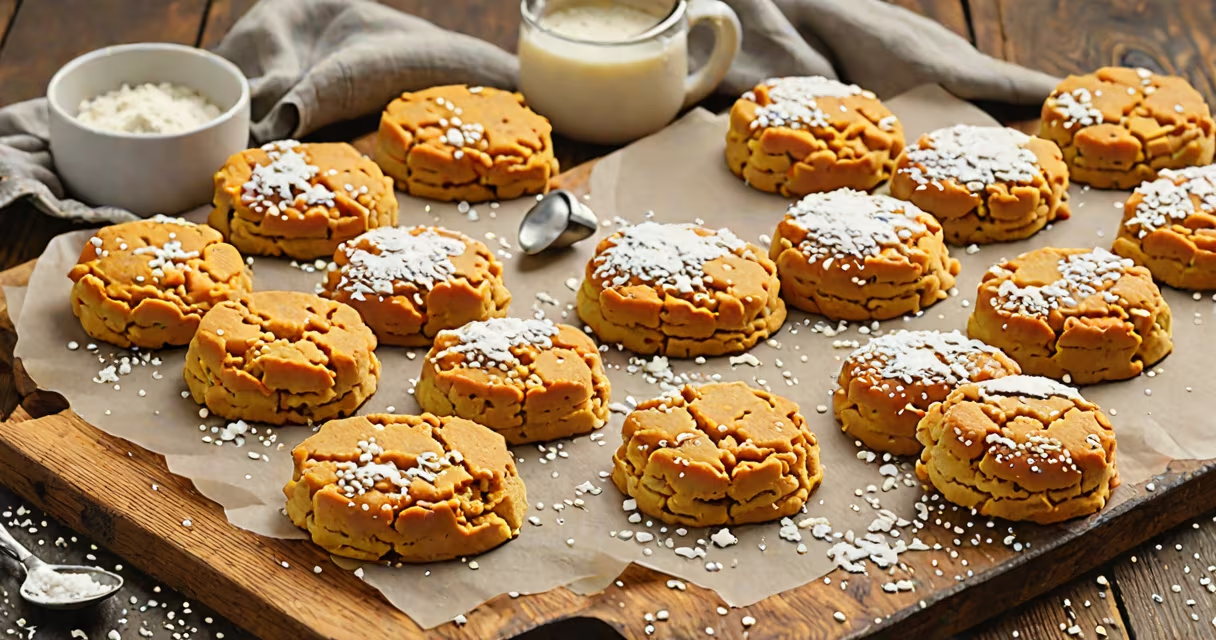
Sweet potato biscuits are baked pastries made from a soft, flaky biscuit dough enriched with mashed roasted sweet potato, resulting in a tender, slightly sweet bread with a golden crust. They're typically served warm, often with butter or honey.
These treats originate from Southern U.S. home kitchens and have roots in 19th-century American baking traditions. The addition of sweet potato wasn't just about flavor-it was a way to stretch limited ingredients during hard times. Today, they remain popular during holidays and family gatherings, especially in regions with strong African American culinary heritage.
The base dough uses standard biscuit ingredients: flour, butter, baking powder, milk, and salt. But instead of relying solely on dairy for moisture, sweet potato puree replaces part of the liquid. This substitution adds natural sweetness, deeper color, and a denser crumb. A typical batch yields 8-10 biscuits, each about 2.5 inches in diameter.
When baked, the dough rises due to carbon dioxide released by baking powder reacting with moisture and heat. The sweet potato puree contributes starch and sugars that caramelize slightly at high temperatures, forming a crisp exterior while keeping the interior moist. The fat from cold butter creates layers that separate during baking, producing flakiness.
For best results, keep the butter cold and handle the dough minimally. Overworking activates gluten, leading to tough biscuits. The ideal texture is light and airy with a slight chew, not dense or gummy. Baking time is usually 18-22 minutes at 425°F (220°C).
A common mistake is using canned sweet potato puree. While convenient, it often contains added salt, sugar, or preservatives that alter flavor and moisture balance. Freshly roasted sweet potatoes yield better results-about 1½ cups of cooked, mashed flesh per 2 cups of flour.
While the core recipe remains consistent, several regional and dietary adaptations exist:
| Type | Key Feature | Common Use |
|---|---|---|
| Classic Southern | Plain dough with ⅓ cup sweet potato puree | Breakfast, holiday brunch |
| Spiced | Added cinnamon, nutmeg, or ginger | Holiday desserts, fall baking |
| Dairy-free | Plant-based milk and vegan butter | Vegetarian, allergy-friendly meals |
| Gluten-free | Almond or oat flour blend | Celiac-safe, grain-free diets |
One lesser-known variation includes folding in finely chopped pecans or dried cranberries for texture contrast. These are especially popular in Thanksgiving recipes.
Sweet potato biscuits are most frequently served during autumn and winter holidays-Thanksgiving, Christmas, and New Year's Day. Their warmth and subtle sweetness make them ideal for pairing with savory dishes like ham or roasted chicken. They're also a staple at church potlucks and family reunions in the American South.
They're not just comfort food-they're culturally significant. According to the National Museum of African American History and Culture, sweet potato biscuits were a key component of "soul food" traditions developed by enslaved people who repurposed available ingredients into nourishing meals. The dish reflects both resilience and creativity.
Commercially, brands like King Arthur Flour and Betty Crocker offer premade mixes with sweet potato flavoring. However, these often contain artificial flavors and extra sugar. Homemade versions retain more authenticity and control over ingredients.
Many confuse sweet potato biscuits with sweet rolls or sticky buns. Unlike those, sweet potato biscuits don't use yeast or require rising time. They're quick to prepare-ready in under 45 minutes from start to finish. Yeast-based pastries take hours; these bake in less than half an hour.
Another misconception is that they're unhealthy. While they do contain carbohydrates and fat, they're not inherently high in sugar. A single biscuit made with 1 cup of mashed sweet potato and no added sugar contains approximately 160 calories and 4 grams of fiber. That's more than twice the fiber of a standard white flour biscuit.
According to the USDA FoodData Central, sweet potatoes are rich in beta-carotene (vitamin A), potassium, and vitamin C. One medium sweet potato provides 120% of the daily recommended intake of vitamin A. This makes sweet potato biscuits a more nutrient-dense option than many store-bought alternatives.
I tested a batch using 100% whole wheat flour and coconut oil instead of butter. The result was slightly less flaky but still flavorful. The coconut oil added a faint tropical note that complemented the sweet potato well. This version held up well in a freezer for up to 3 months with no loss of texture.
Never substitute yams for sweet potatoes. Though often used interchangeably in casual speech, yams are a different root vegetable-drier, starchier, and less sweet. Using yams leads to a bland, mealy biscuit. Sweet potatoes are the correct ingredient for authentic flavor and structure.
Also avoid overbaking. Once the edges turn golden brown and the center springs back when pressed, remove them from the oven. Overbaking causes drying and cracking. Internal temperature should reach 200°F (93°C) at the center.
sweet potato biscuits