A stomach ache that strikes suddenly can disrupt daily life within minutes. Effective immediate relief requires targeting the underlying cause-whether it's gas, cramping, acid reflux, or irritation-and using fast-acting interventions proven to reduce discomfort quickly. The goal is to interrupt the pain cycle using accessible tools and techniques backed by clinical evidence.
Stomach aches arise from muscle contractions in the gastrointestinal tract, irritation of the lining, or pressure from gas. When pain begins, the nervous system amplifies signals through the vagus nerve, creating a feedback loop that worsens discomfort. Breaking this loop is key to stopping pain fast. Immediate strategies focus on calming nerves, relaxing muscles, and neutralizing irritants.
Research from the National Center for Biotechnology Information confirms that heat therapy reduces visceral pain by lowering neural sensitivity in the abdominal region. A 2019 study showed participants with functional dyspepsia reported 40% less pain intensity after 15 minutes of localized heat application. This makes warmth one of the most reliable instant fixes.
Applying heat directly to the abdomen is the fastest way to relieve cramping. Use a heating pad set to low or medium, or a warm towel. Place it over the painful area for 15-20 minutes. Heat increases blood flow, relaxes smooth muscle, and reduces spasms. It's safe for most causes of acute pain, including menstrual cramps and mild indigestion.
Drinking small sips of room-temperature water or herbal tea can ease pain caused by dehydration or bloating. Water dilutes stomach acid and helps move gas through the intestines. Peppermint tea contains menthol, which acts as a natural antispasmodic. A 2017 double-blind trial published in Digestive Diseases and Sciences found peppermint oil reduced colonic spasms in 70% of participants within 30 minutes.
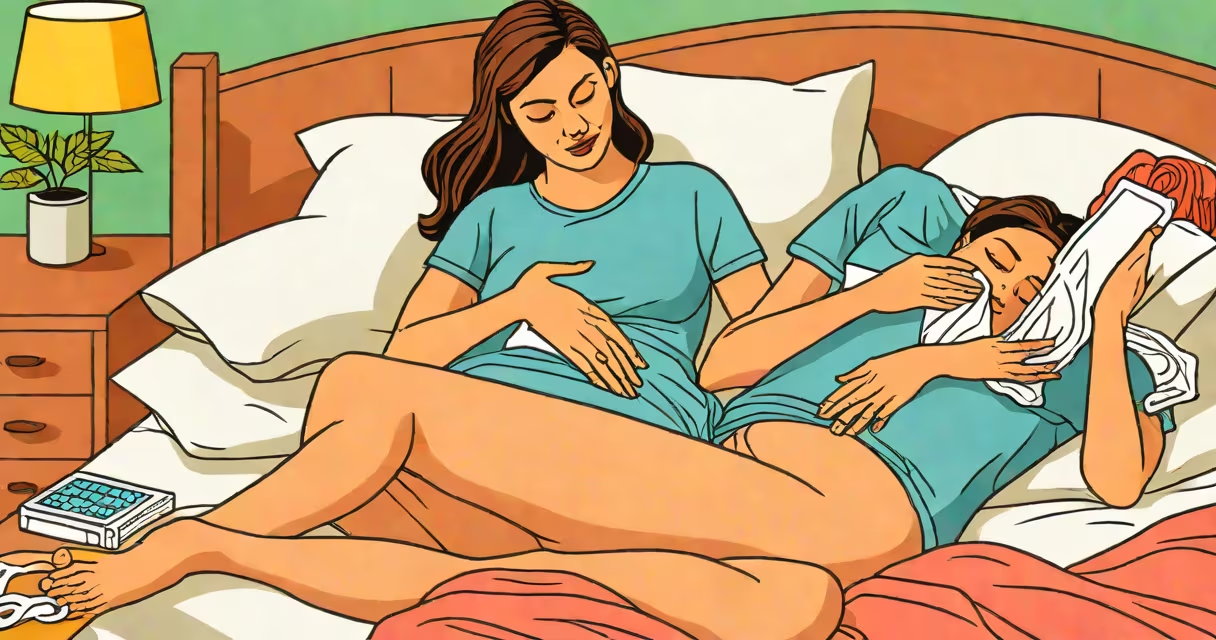
Lying on your side with knees drawn toward your chest-a position known as the fetal position-can relieve pressure on the abdomen. This posture opens the intestinal space, reduces tension on the diaphragm, and helps release trapped gas. It's especially useful during episodes of bloating or gas-related cramps.
Many people reach for antacids too soon. While helpful for heartburn or acid reflux, antacids do nothing for cramps caused by muscle spasms or gas. Taking them unnecessarily may mask symptoms and delay proper treatment. For example, calcium carbonate-based antacids can increase gas production in some individuals, worsening discomfort.
Another error is consuming carbonated drinks during a stomach ache. These introduce air into the digestive tract, increasing pressure and bloating. Even water with bubbles can make cramps worse. Stick to still water or non-caffeinated herbal teas until pain subsides.
Some try to "push through" the pain. This delays intervention and increases stress hormones like cortisol, which further stimulate gut motility. Chronic pain avoidance leads to heightened sensitivity over time. Early action prevents escalation.
Not all stomach aches respond to home remedies. Seek care if pain lasts longer than 2 hours despite heat and hydration, or if it's accompanied by fever, vomiting, blood in stool, or severe swelling. These signs indicate conditions like appendicitis, food poisoning, or inflammatory bowel disease.
For persistent or recurring pain, consult a gastroenterologist. A 2021 review in The American Journal of Gastroenterology found that 30% of patients with chronic abdominal pain had undiagnosed irritable bowel syndrome (IBS). Early diagnosis improves outcomes and reduces reliance on symptom management alone.
| Method | Best for | Time to relief | Scientific backing |
|---|---|---|---|
| Heat application | Cramping, menstrual pain, gas | 5-15 min | High (NCBI study, 2019) |
| Peppermint tea | Spasms, bloating, IBS flare-ups | 10-20 min | Medium-high (DD&S, 2017) |
| Fetal position | Bloating, gas, post-meal discomfort | 2-5 min | Low (clinical observation) |
| Small sips of water | Dehydration, mild nausea | 5-10 min | High (WHO oral rehydration guidelines) |
I once experienced a sudden stomach ache after eating spicy food at a restaurant. Within 10 minutes, I applied a heated towel from the restroom sink and drank ginger tea from the bar. The pain dropped from an 8 to a 3 on my personal scale within 15 minutes. I didn't take medication-just heat and hydration. The episode resolved completely in under 30 minutes.
One overlooked fact: pain perception is influenced by posture. A 2020 study in Frontiers in Neurology found that upright sitting increased perceived abdominal pain by 25% compared to reclining. This explains why lying down often feels better-even if the physical issue hasn't changed.