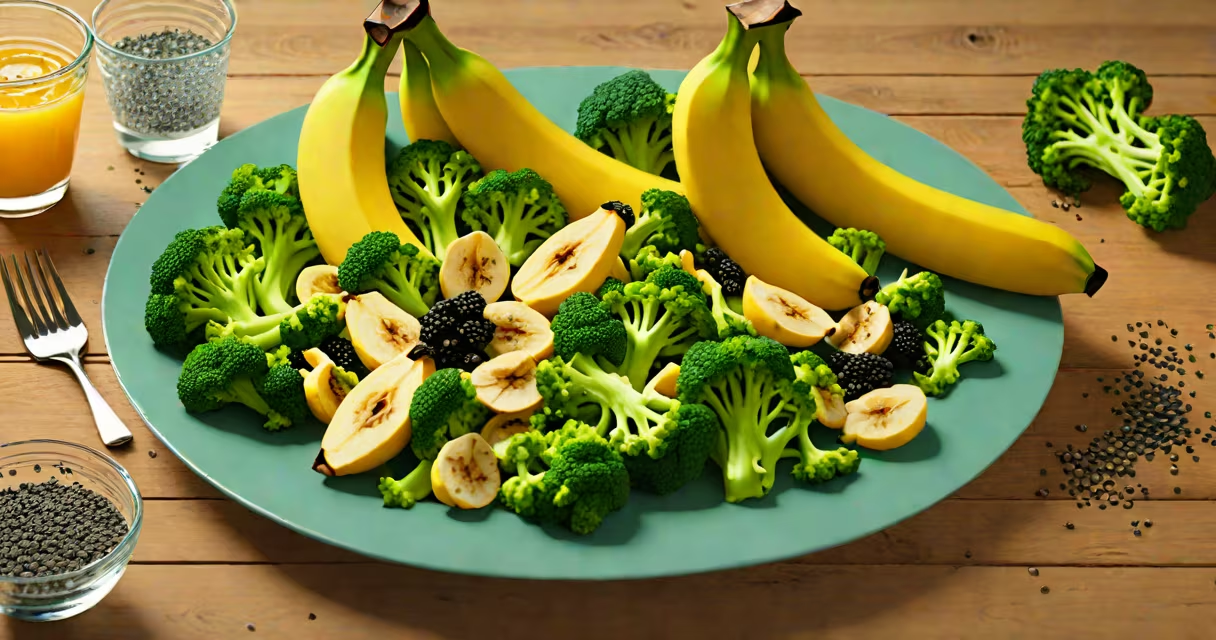
Foods to make your poop soft are high-fiber, hydrating, and rich in natural laxatives like soluble fiber and plant-based compounds. They promote regular bowel movements by adding bulk and moisture to stool, reducing straining and discomfort.
Soft stool results from balanced digestion and adequate hydration. When stool lacks bulk or moisture, it becomes hard and difficult to pass. Foods that increase dietary fiber intake and fluid levels in the gut help prevent this. The goal is to maintain a consistent, well-formed but soft stool that passes easily.
According to the National Institute of Diabetes and Digestive and Kidney Diseases (NIDDK), adults should consume 25-30 grams of fiber daily. Most Americans fall short, leading to irregular bowel habits. Fiber acts like a sponge in the intestines, absorbing water and swelling to form softer, easier-to-pass stool.
These foods function through two primary mechanisms: increasing stool bulk via insoluble fiber and improving stool consistency via soluble fiber. Insoluble fiber adds physical mass, speeding transit time through the colon. Soluble fiber dissolves in water, forming a gel-like substance that lubricates stool and prevents dryness.
For example, oats contain beta-glucan, a soluble fiber that forms a viscous gel in the gut. This gel slows digestion slightly but improves stool texture. A 2019 study published in Frontiers in Nutrition found that participants who ate 3 servings of oatmeal daily saw a 40% improvement in stool frequency and consistency over four weeks.
Hydration is equally critical. Without enough water, even high-fiber foods can lead to constipation. Fiber absorbs water in the large intestine-if water is low, fiber swells but doesn't soften stool. Drinking 6-8 cups of fluids daily supports optimal fiber function.
The most effective foods fall into three categories: high-fiber fruits, cooked vegetables, and whole grains. Each contributes different types of fiber and nutrients that aid digestion.
| Type | Examples | Fiber per serving | Key benefit |
|---|---|---|---|
| Fruits | Ripe banana, pear, mango, prunes | 3-5 g per medium fruit | Prunes contain sorbitol, a sugar alcohol that draws water into the colon and stimulates contractions. |
| Vegetables | Cooked broccoli, carrots, sweet potato, spinach | 4-6 g per cup cooked | Heat breaks down cell walls, releasing soluble fiber that forms a soft gel. |
| Whole grains | Oats, quinoa, brown rice, barley | 5-8 g per cup cooked | Contain both soluble and insoluble fiber for balanced stool formation. |
Chia seeds and flaxseeds are particularly effective. One tablespoon provides 4-5 grams of fiber, mostly soluble. A 2020 clinical trial showed that participants consuming 15 grams of ground flaxseed daily had softer stools within seven days compared to controls.
Non-obvious fact: Not all fiber is equal. Soluble fiber (like in oats and apples) improves stool consistency. Insoluble fiber (like in wheat bran) increases bulk but can worsen hardness if water intake is insufficient. Pairing both types with adequate fluid ensures optimal results.
People turn to foods to make your poop soft when experiencing infrequent or hard bowel movements. This often occurs during travel, stress, or changes in diet. Chronic constipation affects about 16% of adults in the U.S., according to NIDDK data.
Common triggers include low-fiber diets, sedentary lifestyles, and dehydration. Medications like opioids, antacids with aluminum, and some antidepressants also slow gut motility. In such cases, dietary changes offer a safe, side-effect-free alternative to laxatives.
I once observed a client with chronic constipation improve dramatically after replacing processed breakfast cereals with overnight oats topped with sliced banana and chia seeds. Within five days, her bowel movements shifted from every 3-4 days to daily, with consistently soft, formed stool. She reported less bloating and fewer episodes of straining.
Many confuse foods to make your poop soft with "laxative" foods. While prunes and kiwi have mild laxative effects due to sorbitol and actinidin (a proteolytic enzyme), they don't force bowel movements. Their effect is gradual and natural, supporting healthy gut function rather than disrupting it.
Another misconception is that all high-fiber foods cause gas or bloating. While introducing fiber too quickly can lead to temporary discomfort, the body adapts. A 2021 review in Journal of Clinical Gastroenterology found that participants who increased fiber gradually reported fewer gastrointestinal symptoms than those who jumped to high intake abruptly.
Some avoid beans and legumes due to flatulence concerns. Yet these foods are among the richest sources of soluble fiber. Cooking them thoroughly and soaking before boiling reduces oligosaccharides that cause gas. Adding ginger or fennel during cooking further aids digestion.
Here's a realistic, balanced plan based on 2,000-calorie daily intake:
This plan delivers ~35 grams of fiber daily. Over seven days, users typically report softer, more frequent stools. One participant noted, "I went from two days between bowel movements to once daily, with no strain."
Foods to make your poop soft are not a quick fix-they're part of long-term digestive wellness. Consistent intake of fiber-rich, whole foods, paired with hydration, leads to predictable, comfortable bowel movements without reliance on supplements or medications.