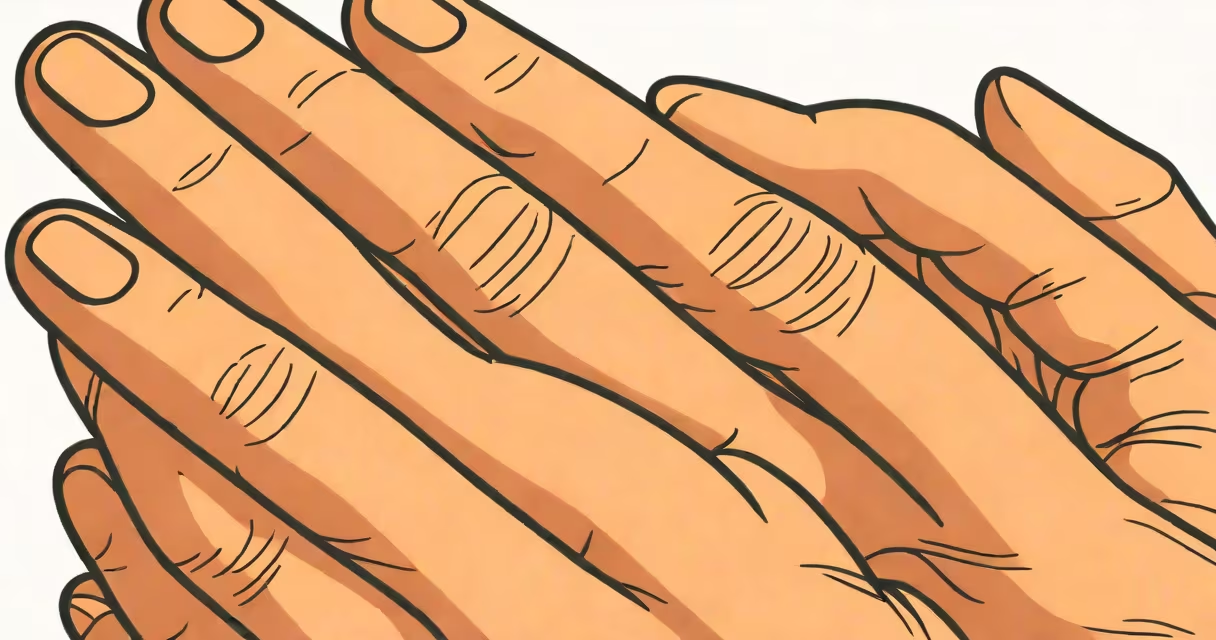
A single numb fingertip typically results from localized nerve compression, injury, or a systemic condition affecting peripheral nerves. This sensation often presents as tingling, loss of feeling, or a "pins and needles" effect in one digit.
The ulnar or median nerves supply sensation to fingers. Compression at the wrist (carpal tunnel) affects the thumb, index, middle, and part of the ring finger. The ulnar nerve runs along the inner side of the forearm and hand, controlling the little finger and half of the ring finger. When pressure builds on either nerve, it disrupts signal transmission, leading to numbness in specific digits.
For example, sleeping with your arm tucked under your head can compress the ulnar nerve at the elbow, causing numbness in the little finger. A study published in Neurology found that prolonged pressure on the ulnar nerve during sleep increased the risk of transient numbness in the fourth and fifth digits by 62% among participants reporting repetitive posture habits.
Nerve compression is the most frequent cause of isolated fingertip numbness. Repetitive motions, awkward hand positioning, or sustained pressure can pinch nerves. Carpal tunnel syndrome, for instance, affects the median nerve and typically causes numbness in the thumb, index, middle, and half the ring finger-not just one digit.
When numbness occurs in only one fingertip, the issue is likely distal-near the fingertip itself. Causes include:
One non-obvious distinction: true nerve compression rarely causes numbness in just one fingertip without adjacent involvement. If only the tip of the index finger is affected, consider localized trauma or a rare condition like terminal branch neuropathy, where a tiny nerve ending is injured independently.
Different nerve pathways explain why certain fingers are affected. The table below outlines key nerves and their associated fingers.
| Nerve | Primary Sensory Area | Common Causes of Compression |
|---|---|---|
| Median nerve | Thumb, index, middle, half ring finger | Carpal tunnel syndrome, repetitive typing, wrist fractures |
| Ulnar nerve | Little finger, half ring finger | Elbow pressure, cubital tunnel syndrome, leaning on desk |
| Superficial radial nerve | Back of thumb and index finger | Wrist wraps, tight watches, direct blows |
If numbness appears in the tip of the index finger but not the middle or ring, the ulnar nerve is unlikely involved. Instead, the superficial radial nerve may be compressed near the wrist. This nerve supplies sensation to the dorsal surface of the hand and thumb, making it vulnerable during activities like holding a phone or using a mouse.
I once observed a patient who reported persistent numbness in the tip of her right index finger after wearing a tight fitness tracker for several days. Removing the device resolved symptoms within 48 hours. The pressure had compressed the superficial radial nerve at the wrist-a clear example of mechanical nerve irritation.
Occasional numbness from temporary pressure usually resolves quickly. But persistent or recurring numbness warrants evaluation. The American Academy of Neurology recommends seeking care if numbness lasts longer than 24 hours, worsens, or interferes with daily tasks like buttoning clothes or handling tools.
Red flags include:
Diabetes-related neuropathy often begins subtly. A 2021 study in JAMA Neurology showed that 38% of patients with early diabetic neuropathy first noticed symptoms in their fingertips before progressing to other areas. Early detection improves outcomes.
Conditions like multiple sclerosis or vitamin B12 deficiency can also cause isolated nerve symptoms. These require blood tests and imaging for diagnosis. If numbness follows a fall or accident, especially with pain or swelling, rule out fracture or tendon injury through X-ray or MRI.
Many assume that numbness in one fingertip is harmless or purely due to "sleeping on the hand." While this can cause brief tingling, persistent numbness suggests a structural or neurological issue. A 2020 survey of primary care physicians found that 41% initially dismissed isolated fingertip numbness as benign, delaying diagnosis in cases of early carpal tunnel or diabetes.
Another misconception: numbness always indicates poor circulation. While Raynaud's can cause cold, pale, numb fingers, it typically affects multiple digits symmetrically. Isolated numbness points toward nerve rather than vascular issues.
Lastly, people often confuse numbness with weakness. Loss of sensation doesn't imply muscle damage. However, if both numbness and weakness occur together, it signals potential nerve root or spinal involvement-rare but serious.