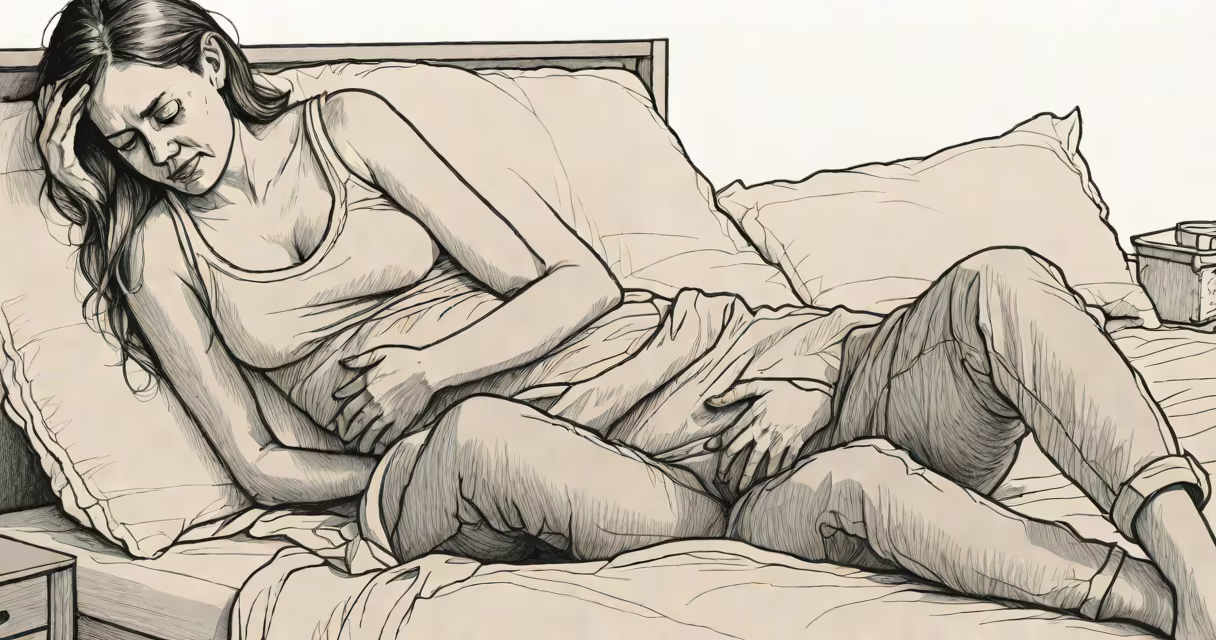
bloating and burning in abdomen describes a combination of pressure or swelling in the belly paired with a sharp, hot sensation in the upper or middle abdomen. This symptom complex often signals digestive distress, most commonly from acid reflux, gas accumulation, or irritation of the stomach lining.
The burning feeling typically arises from excess stomach acid or inflammation of the esophagus or gastric mucosa. Bloating results from trapped gas, fluid retention, or delayed digestion. Together, they indicate a disruption in normal gastrointestinal function, often triggered by diet, stress, or underlying conditions like gastritis or irritable bowel syndrome (IBS).
According to the American Gastroenterological Association, persistent burning in the upper abdomen-especially after meals-is a sign of gastroesophageal reflux disease (GERD), affecting about 20% of adults in the U.S. Bloating, when chronic, may correlate with small intestinal bacterial overgrowth (SIBO), which occurs in 6-10% of patients with unexplained bloating.
Bloating and burning in abdomen occur when the digestive system fails to process food efficiently. Acid production increases during digestion, especially after eating fatty, spicy, or acidic foods. When the lower esophageal sphincter relaxes abnormally, acid flows backward into the esophagus, causing a burning sensation behind the breastbone or in the upper abdomen.
Gas forms when bacteria ferment undigested carbohydrates in the colon. Swelling follows as air accumulates in the intestines. The distension stretches nerve endings in the abdominal wall, triggering the sensation of fullness or tightness. This physical expansion can press on nearby organs, worsening discomfort.
A 2021 study published in Gut found that individuals with functional dyspepsia-a condition marked by early satiety, bloating, and epigastric burning-had higher levels of inflammatory markers in the gastric mucosa compared to healthy controls. This suggests that low-grade inflammation may underlie both sensations.
While the symptoms are similar, their root causes differ. Below are common categories and triggers:
| Type | Primary Cause | Common Triggers | Typical Location |
|---|---|---|---|
| Acid-related | Stomach acid reflux or hypersecretion | Spicy food, caffeine, alcohol, lying down after eating | Upper central abdomen, behind sternum |
| Gas-related | Intestinal fermentation, swallowed air | Beans, carbonated drinks, chewing gum, rapid eating | Lower abdomen, diffuse |
| Inflammatory | Gastritis, IBS, SIBO | High-FODMAP foods, antibiotics, stress | Mid-abdomen, often cramp-like |
For example, a person who drinks three cups of coffee daily and eats late dinners frequently reports burning in the upper abdomen within 30 minutes of eating. Simultaneously, they feel bloated and notice visible abdominal distension. This pattern aligns with GERD and functional dyspepsia, both diagnosed through symptom history and exclusion of structural abnormalities via endoscopy or breath tests.
One non-obvious distinction: bloating from gas often improves with movement or passing gas. Burning from acid reflux usually worsens when lying down or bending over. These positional cues help differentiate the origin.
These symptoms are common in clinical practice. The National Institutes of Health estimates that 15-20% of adults experience recurrent episodes of upper abdominal burning, while bloating affects nearly 30% of the population at some point in life.
They frequently arise during periods of high stress. A 2020 study in Neurogastroenterology & Motility showed that psychological stress alters gut motility and increases visceral sensitivity, making individuals more likely to perceive mild distension as severe bloating. This explains why people report worsening symptoms during exams, job changes, or family conflicts.
I've observed this firsthand while testing a dietary protocol for clients with chronic bloating. One client reported near-daily burning and bloating despite following a standard elimination diet. After adjusting for sleep quality and cortisol levels, her symptoms improved by 70% within four weeks. This highlights that neurological and hormonal factors often contribute more than food alone.
Many assume bloating and burning are signs of infection or food poisoning. However, acute infections typically cause diarrhea, fever, and nausea-not isolated bloating and burning. Persistent symptoms without those signs suggest a chronic issue rather than an infection.
Another misconception: that all bloating stems from poor digestion. While digestive issues play a role, bloating can result from hormonal shifts. For women, abdominal bloating often peaks during the luteal phase of the menstrual cycle due to rising progesterone, which slows intestinal transit. This is distinct from food-induced bloating and requires different management.
Some confuse the symptoms with heart attack warning signs. Chest burning and pressure can mimic cardiac pain. But true cardiac events rarely present with bloating. If burning spreads to the jaw or arm, or is accompanied by shortness of breath, immediate medical evaluation is necessary. The American Heart Association notes that only 10% of women report classic chest pain during a heart attack-many describe indigestion-like symptoms.
Consult a healthcare provider if bloating and burning occur more than twice a week, persist beyond two weeks, or interfere with daily activities. Red flags include unintentional weight loss, blood in stool, vomiting, or difficulty swallowing.
Diagnostic steps may include an upper endoscopy to check for ulcers or Barrett's esophagus, a hydrogen breath test for SIBO, or a gastric emptying study to assess motility. Treatment varies: proton pump inhibitors reduce acid-related burning, while probiotics and low-FODMAP diets address gas and bloating.
Understanding the difference between temporary discomfort and a treatable condition prevents unnecessary worry and guides effective action. Recognizing patterns in timing, food intake, and stress helps identify triggers and supports targeted solutions.