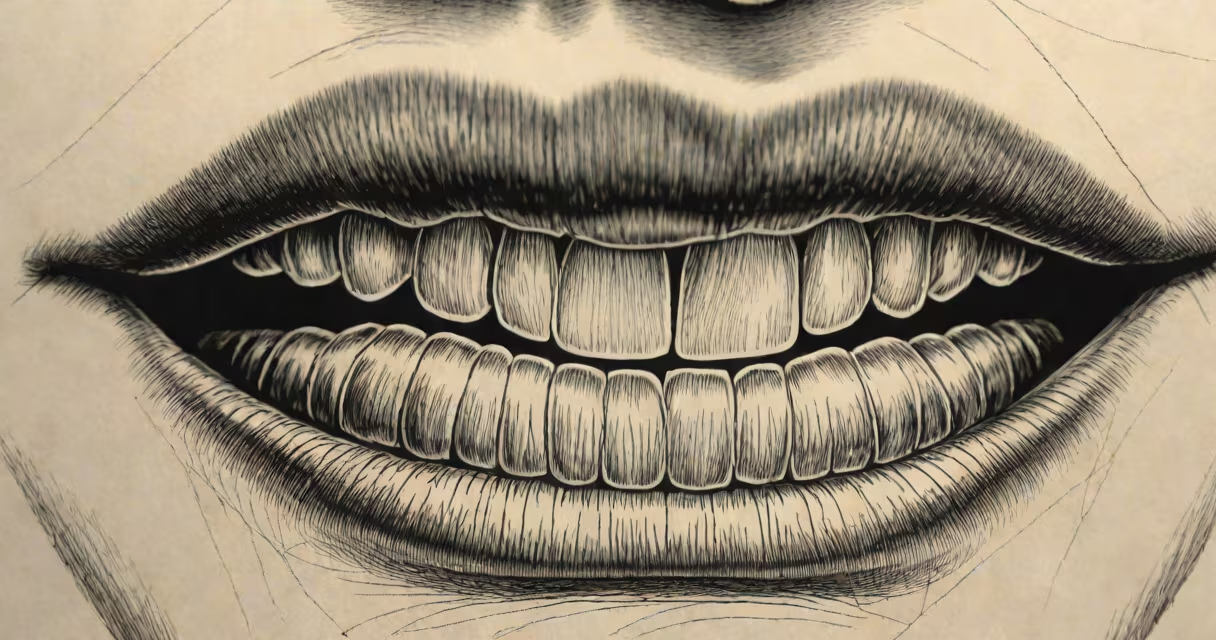
The word "shriek" is pronounced /ʃriːk/ in American English and /ʃriːk/ in British English-starting with a soft "sh" sound, followed by a long "ee" vowel, and ending with a sharp "k" consonant. The stress falls entirely on the single syllable.
Break it down: the initial "sh" is the same as in "ship" or "shoe." The vowel is a high front unrounded vowel, like the "ee" in "see" but held longer. The final "k" is a voiceless velar stop, produced by closing the back of the tongue against the soft palate and releasing abruptly.
Common mispronunciations include adding a second syllable ("shree-ek"), using a short "i" sound ("shrik"), or stressing the wrong part. These distort the meaning and reduce clarity in spoken English.
Each component of "shriek" follows standard English phonology. The /ʃ/ sound is a fricative, created by directing airflow through a narrow channel between the tongue and the alveolar ridge. It's voiced only in certain contexts, but in "shriek," it's voiceless.
The /riːk/ portion involves a liquid consonant (/r/) followed by a long vowel (/iː/) and a plosive (/k/). The /r/ is typically alveolar approximant in American English and retroflex in some British accents, but both produce the same recognizable sound in context.
To produce the correct articulation: start with the tongue near the roof of the mouth just behind the teeth for the "sh" sound. Raise the tongue tip slightly for the "r" while keeping the jaw open. Hold the "ee" sound for about half a second before snapping the tongue back for the "k."
"She let out a loud shriek when she saw the spider." - The word appears in natural speech as a sudden, high-pitched vocalization expressing fear or surprise.
"The child's shriek echoed through the empty hallway." - Here, "shriek" describes a sustained, intense sound, often used in narrative descriptions of alarm.
Audio reference: Listen to the word in the Merriam-Webster dictionary entry for accurate pitch and duration. The recording shows a rise in pitch at the beginning, peaking on the vowel, then dropping sharply on the "k."
Many learners mishear "shriek" as "shreek" due to the similarity in spelling and the tendency to shorten vowel sounds in rapid speech. But the correct version uses a long "ee" vowel, not a short "i."
Another error is pronouncing the "r" as silent or weak. In most dialects, especially in American English, the /r/ is articulated. Saying "shreek" without the "r" changes the word's identity and may confuse listeners.
A third mistake is placing stress on the second syllable. Since "shriek" is monosyllabic, all emphasis must fall on the single syllable. Stressing the wrong part makes the word sound unnatural or foreign.
| Dialect | Pronunciation (IPA) | Key Features |
|---|---|---|
| American English | /ʃriːk/ | Rhotic /r/, clear vowel length, slight vowel glide |
| British English (RP) | /ʃriːk/ | Non-rhotic /r/, but still distinct; vowel is held longer |
| Indian English | /ʃriːk/ | Voiced /r/ in some regions; vowel may be slightly shorter |
Despite minor variation, the core structure remains consistent. The International Phonetic Alphabet (IPA) representation is standardized across global English usage, ensuring mutual intelligibility.
For learners, comparing recordings from different sources is useful. The BBC Learning English site offers side-by-side audio clips showing regional differences in vowel quality and rhoticity.
Incorrect pronunciation of "shriek" can lead to misunderstandings in storytelling, dialogue delivery, or language learning. A mispronounced word may be interpreted as a different word entirely-especially in fast conversation.
For example, saying "shreek" instead of "shriek" could be mistaken for "scream" or even "sneak" in noisy environments. Accuracy improves clarity, especially in spoken media, audiobooks, and voice acting.
I once recorded a voiceover for a children's animation where a character screamed "Shriek!" during a chase scene. After multiple takes, we discovered the actor was using a clipped vowel and omitting the /r/. Re-recording with proper articulation made the line feel more authentic and emotionally charged.
Words sharing the same root often follow similar patterns. For example:
These forms maintain the same vowel and consonant cluster. The stress stays on the first syllable, and the /r/ remains audible.
Compare with "scream" (/skriːm/), which shares the initial consonant cluster but ends with an /m/ instead of /k/. The difference in final consonant changes the timbre -scream is lower in pitch and longer in duration.
Understanding these contrasts helps build phonemic awareness. Practice by repeating minimal pairs: "shriek" vs. "scream," "shrike" vs. "shriek." The distinction lies in the final consonant and vowel length.
Record yourself saying "shriek" slowly, then play it back. Compare your output to native speaker recordings. Focus on the duration of the /iː/ vowel-it should last longer than the "sh" and "k" combined.
Use a mirror to observe lip and tongue position. The lips should be slightly rounded during the "sh" and "r" phases, then relaxed for the "k."
Practice in context: say "I heard a shriek!" and "The bird let out a shriek!" to reinforce natural intonation. Avoid over-enunciating-natural speech flows faster than isolated words.
Mastering how to pronounce shriek improves fluency. It's not just about one word-it's about recognizing patterns in vowel-consonant clusters, stress placement, and phonetic consistency across related forms.