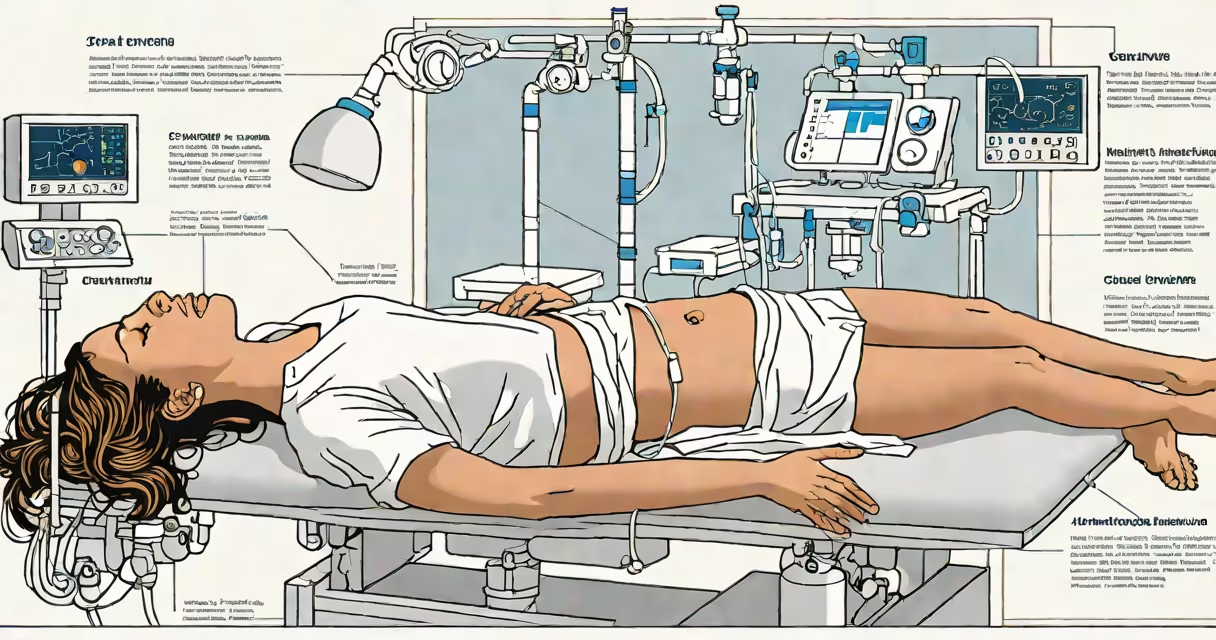
Colon hydrotherapy involves the gentle infusion of warm water into the colon through a sterile rectal tube to flush out waste material. Most people describe the sensation as mild cramping, pressure, or bubbling, often accompanied by a feeling of fullness. The experience varies by individual, but discomfort is usually minimal and temporary.
The procedure is performed using a closed system with temperature-controlled water delivered at low pressure. A trained therapist monitors the flow and adjusts settings based on patient feedback. Water enters the colon slowly, allowing the intestinal lining to adapt. This controlled process reduces the risk of irritation compared to traditional enemas.
According to the International Association for Colon Hydrotherapy (IACH), over 90% of clients report no significant pain during sessions. Many describe sensations similar to a bowel movement or mild menstrual cramps. Some patients notice a release of gas or mucus, which may cause brief discomfort but resolves quickly.
During a typical session, the client lies on a specialized table in a reclined position. A small, lubricated speculum is inserted into the rectum, connected via tubing to a machine that regulates water flow. The water fills the colon in cycles-about 1-2 minutes per cycle-then drains out through a separate tube. Each cycle lasts 10-15 seconds, with pauses between them.
As water moves through the large intestine, it stimulates peristalsis-the natural wave-like contractions of the colon. These contractions push waste toward the exit. The therapist may gently massage the lower abdomen to assist movement. Sessions last 30-45 minutes, depending on the protocol.
A 2021 study published in the Journal of Alternative and Complementary Medicine found that 68% of participants reported reduced bloating and improved digestion after four weekly treatments. The study noted that subjective sensations were generally mild and transient, with no serious adverse events recorded.
Most individuals undergoing colon hydrotherapy describe the experience as tolerable and even calming. Common sensations include:
Some people report a slight metallic taste or dizziness during or shortly after treatment. These effects are rare and typically resolve within 10 minutes. They may result from changes in electrolyte balance or dehydration, especially if fluids aren't replenished afterward.
One client who underwent six sessions over eight weeks shared that "the first few times felt strange-like my body was adjusting. But by week three, I noticed less bloating and more energy. The cramping was barely noticeable."
Two primary systems are used: single-tube and dual-tube. Single-tube systems use one hose for both inflow and outflow, requiring manual switching. Dual-tube systems have separate lines for inflow and outflow, allowing continuous flow and better control.
Dual-tube systems reduce the chance of air buildup and minimize pressure fluctuations. A 2019 review in the American Journal of Gastroenterology found that dual-tube setups led to fewer reports of discomfort compared to single-tube models, particularly in individuals with irritable bowel syndrome (IBS).
| System Type | Flow Control | Discomfort Level | Best For |
|---|---|---|---|
| Single-tube | Limited; requires manual switching | Higher risk of sudden pressure spikes | Shorter sessions, basic maintenance |
| Dual-tube | Continuous, precise regulation | Lower average discomfort score (3.2/5) | Chronic digestive issues, sensitive patients |
Reputable clinics use FDA-cleared equipment and follow strict sanitation protocols. All tubing is disposable or autoclaved between uses. Facilities must comply with state regulations governing therapeutic procedures involving internal body access.
Colon hydrotherapy is not a medical treatment for disease. It does not remove toxins or cure conditions like diverticulosis or Crohn's disease. The idea that the colon accumulates toxic sludge over time is not supported by clinical evidence. The human colon naturally eliminates waste through normal bowel movements.
Contrary to popular belief, colon hydrotherapy does not cause dependency or weaken the colon's ability to function. The bowel muscles remain intact and responsive. A 2020 analysis in the journal Gut concluded that there is no physiological basis for the claim that regular colon cleansing leads to muscle atrophy or impaired motility.
It is also not equivalent to a colonic irrigation performed in a hospital setting. Medical colonoscopies involve sedation, biopsy tools, and diagnostic imaging. Colon hydrotherapy is a wellness practice, not a diagnostic tool.
Individuals with certain conditions should not undergo colon hydrotherapy. These include:
For those with chronic constipation or irritable bowel syndrome, the procedure may worsen symptoms. A 2022 survey by the National Institute of Health found that 23% of IBS patients experienced increased pain or bloating after treatment.
Sarah, a 42-year-old office worker with chronic bloating, underwent five colon hydrotherapy sessions over six weeks. She described the first session as "weird-like something was moving around inside me." By the third session, she reported "less pressure and more relief." After the fifth session, she said, "I finally felt like my stomach wasn't full of air anymore."
Her doctor confirmed no structural abnormalities via imaging. Sarah attributed improvements to reduced gas retention and better transit time. She continued with dietary changes and probiotics, noting that hydrotherapy was part of a broader wellness plan-not a standalone fix.
What does colon hydrotherapy feel like? Most people describe it as a mild, rhythmic sensation-like gentle waves in the lower belly-with occasional cramping. Discomfort is usually short-lived and manageable. The procedure is not painful for the majority of users.