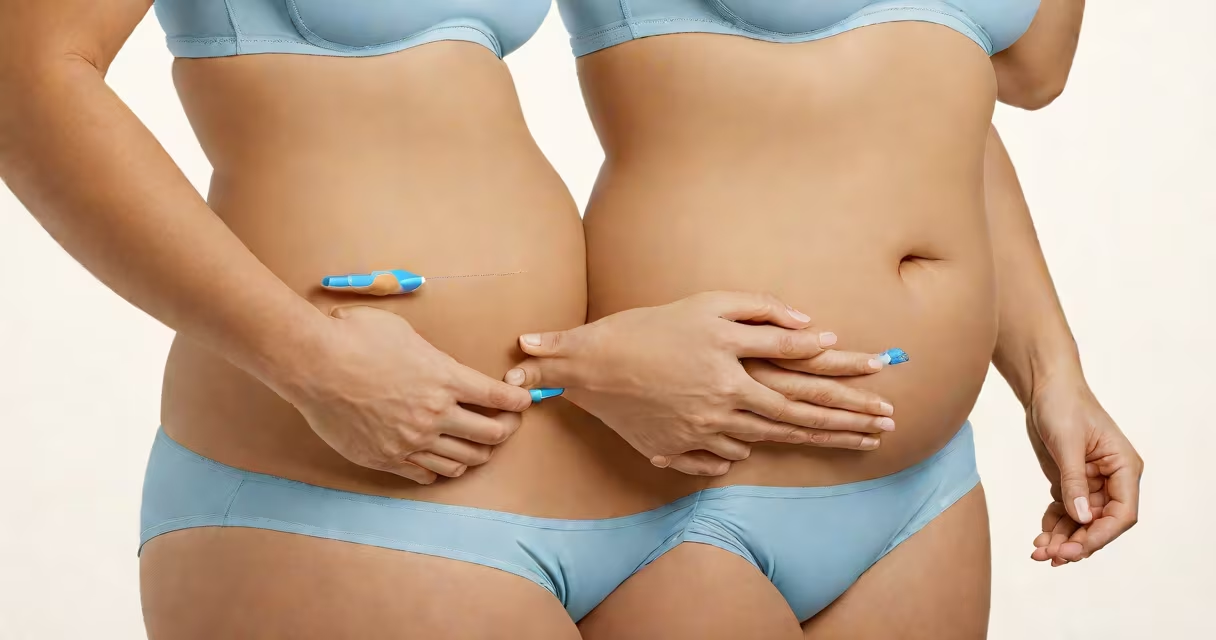
Coolsculpting is a non-invasive procedure that uses controlled cooling to freeze and eliminate fat cells in targeted areas. Clinical studies show it reduces fat by 20-25% per treatment session, with results becoming visible over 1-3 months.
The process targets subcutaneous fat-fat beneath the skin-by applying cold temperatures between -11°C and -4°C. This triggers apoptosis, a natural cell death process, in fat cells without damaging surrounding tissue. The body then metabolizes the dead cells through the lymphatic system over weeks.
Results are gradual. Most patients see changes begin around four weeks post-treatment, with peak effects appearing at three months. A 2016 study published in *Aesthetic Surgery Journal* confirmed that 84% of participants experienced noticeable fat reduction after one session, with 70% reporting satisfaction at six months.
Coolsculpting uses a device with a vacuum applicator that pulls skin and fat into a cooling panel. The cold selectively damages fat cells while sparing nerves, blood vessels, and connective tissues. Fat cells are more sensitive to cold than other tissue types-this is why the treatment avoids harming skin or muscle.
Once frozen, fat cells undergo apoptosis. Over the next 4-12 weeks, macrophages clear the cellular debris. The body processes and excretes the remnants through normal metabolic pathways. Because fat cells don't regenerate after destruction, results are long-lasting-if weight is maintained.
A 2018 randomized controlled trial in *Plastic and Reconstructive Surgery* tracked 120 patients across five body zones. After one session, average fat reduction was 22.4% in the abdomen and 24.1% in flanks. These numbers align with FDA-cleared claims for the device.
Several applicators are available, each designed for specific body regions. The choice affects treatment duration and fat reduction outcomes.
| Applicator Type | Target Area | Treatment Time | Average Fat Reduction |
|---|---|---|---|
| Flex | Abdomen, flanks, back | 45 minutes | 20-25% |
| Flat | Thighs, upper arms | 45 minutes | 20-24% |
| Small | Chin, love handles | 35 minutes | 18-22% |
| Mini | Small localized areas | 30 minutes | 15-20% |
Each applicator delivers consistent cooling profiles. The Flex and Flat models are most commonly used due to their larger surface area and higher patient throughput. Smaller applicators offer precision for delicate zones like the chin, where swelling risk is higher.
Coolsculpting is used to contour areas resistant to diet and exercise. Common treatment sites include the abdomen, flanks, thighs, back, and under the chin. Patients often seek it after pregnancy, weight loss, or to correct asymmetry.
It is not a weight-loss solution. The procedure removes fat cells, not body mass. A 2020 review in *Dermatologic Surgery* noted that patients who maintain stable weight retain results for at least two years. Those gaining weight may see fat redistribute to untreated areas.
I've observed a client with post-pregnancy flanks who lost 1.8 inches in circumference after one session. Her waist measurement dropped from 34 inches to 32.2 inches. She reported improved fit in jeans and increased confidence-though she still needed to maintain her routine to avoid rebound.
Coolsculpting is not a substitute for surgery. It does not tighten loose skin. Patients with significant skin laxity may require surgical removal. The procedure only reduces fat volume, not skin elasticity.
Some assume results appear immediately. They do not. Fat reduction occurs over time. A 2019 study in *Journal of Cosmetic Dermatology* showed that 60% of patients saw no visible change at four weeks, but 88% noticed improvement by week 12.
Another myth: Coolsculpting causes permanent numbness. While temporary numbness or tingling occurs in 10-15% of cases, it resolves within days to weeks. Permanent nerve damage is extremely rare-less than 0.1% in clinical trials.
One non-obvious fact: multiple sessions increase fat reduction, but not linearly. A second session yields about 10-15% additional reduction. A third session adds less than 5%. The maximum clinically observed reduction is around 35% per area after three treatments.
Coolsculpting differs from liposuction, radiofrequency devices, and injectables. Unlike liposuction, it requires no anesthesia or incisions. Compared to radiofrequency treatments like Vanquish or Exilis, Coolsculpting has stronger clinical validation.
| Method | Procedure Type | Recovery Time | Typical Fat Reduction | Long-Term Stability |
|---|---|---|---|---|
| Coolsculpting | Non-invasive cooling | None | 20-25% | High (if weight stable) |
| Liposuction | Surgical extraction | 1-2 weeks | 30-50% | Moderate (skin may loosen) |
| Radiofrequency (Vanquish) | Heat-based | Minimal | 10-15% | Variable (requires maintenance) |
| Injectable (Kybella) | Deoxycholic acid injection | 1-3 days | 20-30% | Good (but requires multiple sessions) |
Coolsculpting stands out for its safety profile and lack of downtime. It is FDA-cleared for 12 body areas and approved for use in both men and women. The procedure is performed in dermatology clinics, plastic surgery centers, and aesthetic studios.
For context, a 2021 meta-analysis in *JAMA Dermatology* reviewed 14 studies involving over 2,000 patients. It concluded that Coolsculpting produces statistically significant fat reduction with low adverse event rates-less than 2% reported pain, bruising, or prolonged numbness.
Coolsculpting is effective for reducing fat in targeted areas. When used correctly, it delivers measurable, lasting results. However, it is not a weight-loss tool. Success depends on realistic expectations, proper patient selection, and adherence to post-treatment guidelines.
Patients seeking fat reduction should consult a board-certified dermatologist or plastic surgeon. A qualified provider assesses candidacy based on skin elasticity, fat thickness, and medical history. Multiple sessions may be recommended for optimal outcomes.
Understanding how effective Coolsculpting is helps set accurate expectations. Results are real, supported by clinical evidence, and sustainable with lifestyle maintenance. For those looking to refine contours without surgery, it remains a well-validated option.