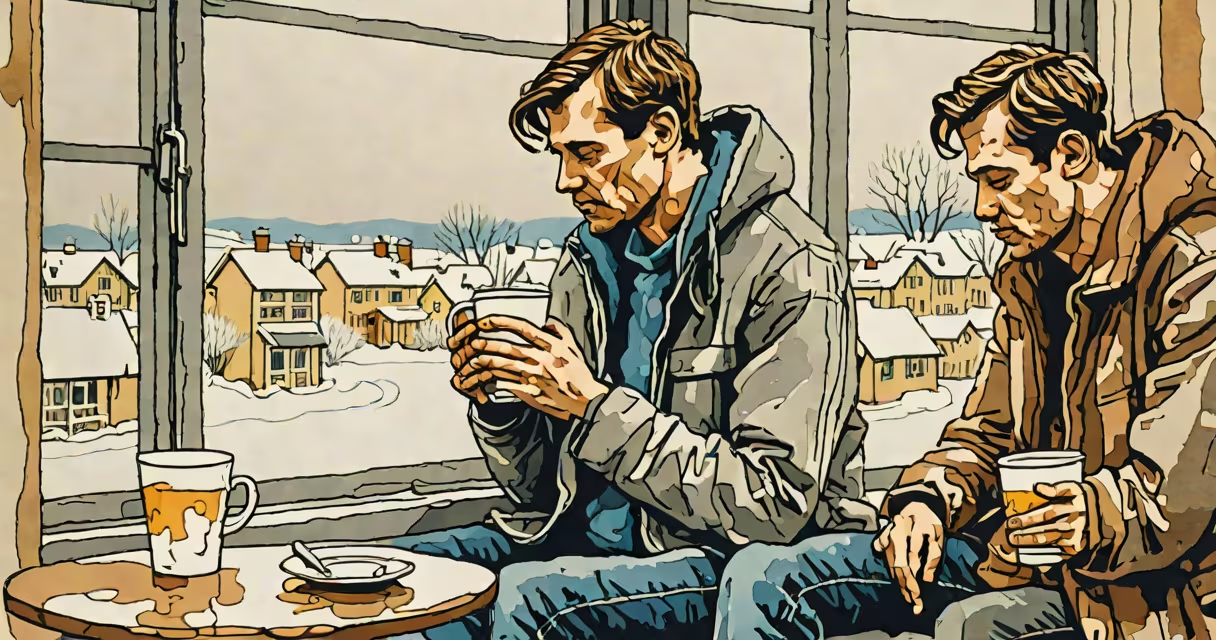
Seasonal depression symptoms are recurring patterns of low mood, fatigue, increased sleep, and carbohydrate cravings that typically begin in late autumn and persist through winter, then resolve in spring. These symptoms align with the diagnostic criteria for seasonal affective disorder (SAD), a subtype of major depressive disorder recognized by the American Psychiatric Association.
SAD affects approximately 5% of adults in the U.S., with symptoms emerging consistently each year during shorter daylight months. The condition is linked to reduced exposure to natural light, which disrupts circadian rhythms and lowers serotonin levels-neurotransmitters that regulate mood and energy. People with SAD often report feeling sluggish, emotionally flat, and unable to concentrate during the winter months.
Common symptoms include persistent sadness, loss of interest in activities, difficulty waking up, excessive daytime sleepiness, weight gain due to increased appetite (especially for sweet or starchy foods), and trouble concentrating. These signs typically appear in the fall, peak in December or January, and fade by March or April. Diagnosis requires at least two consecutive years of symptom onset and remission tied to specific seasons.
The primary driver of seasonal depression symptoms is reduced sunlight exposure during fall and winter. When daylight hours shorten, the body's internal clock-regulated by the suprachiasmatic nucleus in the hypothalamus-becomes misaligned. This disruption reduces melatonin production at night and increases it during the day, leading to drowsiness and lethargy.
Light also influences serotonin, a brain chemical tied to mood stability. Studies show that serotonin activity drops in winter months, particularly in individuals with SAD. A 2016 study published in Journal of Affective Disorders found that people with SAD had lower serotonin transporter binding in the brain during winter compared to summer, confirming a biological basis for seasonal mood shifts.
Genetic factors play a role too. Individuals with a family history of depression or bipolar disorder are more likely to develop SAD. Women are diagnosed four times more often than men, though the reasons remain unclear. Some research suggests hormonal differences may contribute, including altered cortisol rhythms and changes in reproductive hormones.
While most cases of seasonal depression occur in winter (winter-onset SAD), about 10% of people experience symptoms in spring or summer (summer-onset SAD). Winter SAD is characterized by hypersomnia (excessive sleeping), increased appetite, weight gain, and fatigue. Summer SAD presents with insomnia, decreased appetite, weight loss, and agitation.
| Season | Primary Symptoms | Neurochemical Changes |
|---|---|---|
| Winter (most common) | Fatigue, oversleeping, weight gain, carbohydrate cravings | Lower serotonin, higher melatonin |
| Summer (rare) | Insomnia, poor appetite, restlessness, anxiety | Higher cortisol, disrupted dopamine regulation |
Summer-onset SAD is less understood but may be triggered by high temperatures, humidity, or prolonged daylight. A 2020 case series in Psychiatry Research documented six patients who developed acute anxiety and insomnia during heatwaves in June, with symptoms resolving when cooler weather returned.
Seasonal depression symptoms are frequently mistaken for general winter blues or stress-related fatigue. Unlike temporary low mood from holiday pressure or work strain, SAD symptoms last for weeks or months and interfere with daily functioning. They don't improve with typical coping strategies like exercise or socializing.
Another misconception is that SAD only affects people in northern climates. While prevalence is higher in regions farther from the equator-such as Alaska or northern Canada-cases have been documented in southern states like Florida and Texas. A 2018 study in Journal of Clinical Psychiatry found that 12% of participants in Miami met diagnostic criteria for SAD, highlighting that geographic location alone doesn't determine risk.
Some assume SAD is just "feeling sad in winter." But clinical SAD involves measurable changes in behavior and physiology. For example, a person may go from working 40 hours a week to missing days due to exhaustion. They may eat more than usual and gain 10 pounds in two months despite no change in routine. These are not lifestyle choices-they are symptoms of a treatable medical condition.
In 2021, a 34-year-old teacher in Portland, Oregon, began experiencing consistent fatigue and emotional numbness starting in October. She slept 10 hours nightly but still felt drained. Her appetite increased-she ate three meals and two snacks daily, mostly pasta and sweets. Over six weeks, she gained 14 pounds and stopped attending school events. Her mood worsened; she cried during staff meetings and avoided colleagues.
She sought help in November. After screening with the Beck Depression Inventory and a clinical interview, her psychiatrist diagnosed winter-onset seasonal depression disorder. She began light therapy using a 10,000-lux light box for 30 minutes daily upon waking. Within three weeks, her energy improved, sleep normalized, and cravings decreased. By January, she was back to baseline functioning.
This case illustrates how seasonal depression symptoms follow a predictable pattern and respond well to targeted treatment. Early recognition prevents worsening and reduces long-term impact on work, relationships, and health.
Seasonal depression symptoms differ from general depression in timing and recurrence. While major depressive episodes can happen anytime, SAD follows a seasonal cycle. According to the Diagnostic and Statistical Manual of Mental Disorders, Fifth Edition (DSM-5), a diagnosis of SAD requires at least two years of consistent seasonal onset and remission, with no non-seasonal episodes during those periods.
It's also distinct from burnout or chronic stress. Burnout stems from prolonged job-related strain and includes emotional exhaustion, cynicism, and reduced performance-but not seasonal patterns. A 2022 meta-analysis in Occupational Medicine found that burnout symptoms were evenly distributed across seasons, unlike SAD, which peaked in winter.
Recognizing seasonal depression symptoms early allows timely intervention. Left untreated, they can lead to complications such as substance use, academic or job failure, or worsening of comorbid conditions like anxiety or bipolar disorder. The National Institute of Mental Health notes that early treatment reduces relapse rates by up to 60%.
Understanding seasonal depression symptoms isn't about labeling a mood-it's about identifying a medical condition with clear causes and effective solutions. You don't have to suffer through winter just because it's dark. With proper care, recovery is possible.