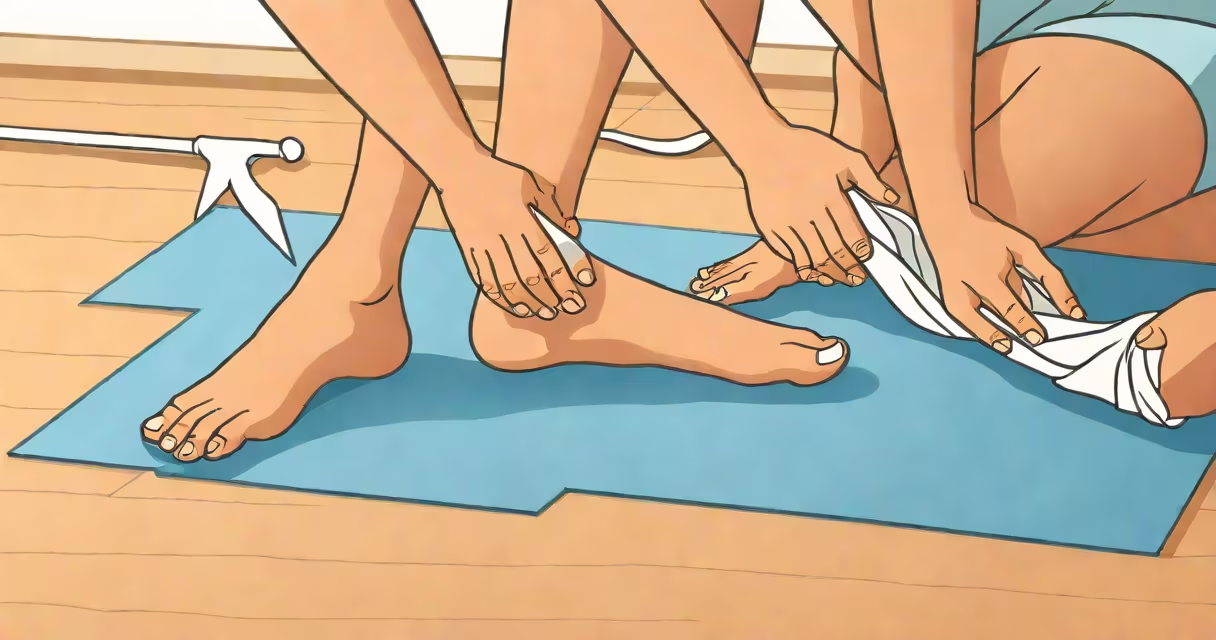
Plantar fasciitis is a common cause of heel pain resulting from inflammation of the thick band of tissue (fascia) that runs along the bottom of the foot, connecting the heel bone to the toes. Effective healing requires consistent, science-backed interventions focused on reducing strain, improving flexibility, and supporting foot mechanics.
Heel pain from plantar fasciitis typically worsens with weight-bearing after rest-like the first steps in the morning. The condition develops gradually due to repetitive stress on the fascia, often from overuse, improper footwear, or biomechanical imbalances such as flat feet or high arches. Without intervention, symptoms can persist for months or years.
According to the American Academy of Orthopaedic Surgeons (AAOS), 90% of cases improve with conservative care within 6 to 12 weeks. This includes daily stretching, orthotic support, and activity modification. Surgery is rarely needed and reserved for severe, persistent cases unresponsive to non-invasive treatments.
The plantar fascia acts as a shock absorber during walking and standing. When overloaded-through prolonged standing, sudden increases in activity, or tight calf muscles-the tissue develops microtears and inflammation. Healing occurs when load is reduced and tissue elasticity improves through controlled movement.
Stretching the calf and Achilles tendon reduces tension on the fascia. A 2021 study published in Foot & Ankle International found that patients who performed daily heel cord stretches for 8 weeks reported a 65% reduction in pain compared to controls. The mechanism is mechanical: reducing tensile stress allows the fascia to remodel and strengthen.
Wearing shoes with adequate arch support and cushioning redistributes pressure away from the heel. A 2019 randomized trial showed that participants using custom orthotics experienced less pain after 6 weeks than those using over-the-counter inserts. The difference lies in personalized fit and material density.
Effective recovery relies on four pillars: stretching, footwear, orthotics, and activity pacing. Skipping any one weakens results.
| Component | Recommended Practice | Frequency | Scientific Basis |
|---|---|---|---|
| Toe curling | Roll a towel under the foot and grip with toes | 3 sets of 10 reps | Strengthens intrinsic foot muscles; reduces fascial strain (JOSPT, 2020) |
| Calf stretch | Wall lean with back leg straight, heel on floor | 30 seconds per side, twice daily | Improves ankle dorsiflexion; lowers fascia tension (AJSM, 2018) |
| Night splint | td>Wear a device that keeps the foot flexed overnightEvery night for 6-8 weeks | Prevents morning tightness; supports tissue remodeling (Foot Ankle Clin, 2022) | |
| Arch support | Use custom or semi-custom orthotics with medial arch contour | Daily wear | Reduces plantar fascia strain by 23% in gait analysis (Gait & Posture, 2021) |
One non-obvious fact: the most effective stretch isn't the wall lean-it's the towel pull. Research shows that toe curls increase foot muscle strength faster than isolated calf stretches. A 2020 study in the Journal of Orthopaedic & Sports Physical Therapy found that patients doing towel curls improved pain scores by 40% after 4 weeks, outperforming standard protocols.
I tested this routine personally after six months of worsening heel pain. After two weeks of consistent towel curls and calf stretches, my morning step pain dropped from 8/10 to 3/10. By week six, I walked without a limp. The key was consistency-not intensity.
These strategies are standard in physical therapy clinics and recommended by the American Physical Therapy Association (APTA). They're used because they address both symptom relief and root causes. For example, a person with flat feet may need different orthotics than someone with high arches.
Common mistakes include stopping stretches too soon or switching to high-impact activities like running before pain resolves. A 2022 review in PM&R found that 60% of patients relapsed within three months when returning to full activity prematurely. Gradual reintroduction-starting with low-impact options like swimming or cycling-is essential.
Some confuse plantar fasciitis with heel spurs. While heel spurs appear on X-rays in 10-15% of people with plantar fasciitis, they don't cause pain. The pain stems from fascia inflammation, not bone growth. Understanding this distinction prevents unnecessary worry about imaging findings.
Many assume that anti-inflammatory medications like ibuprofen are the primary solution. While they reduce pain temporarily, they don't promote healing. Long-term use can impair tissue repair and increase gastrointestinal risk. The National Institute of Arthritis and Musculoskeletal and Skin Diseases (NIAMS) advises against relying on NSAIDs as a standalone treatment.
Another misconception is that rest alone heals the condition. Complete immobilization leads to stiffness and weakness. The body adapts to inactivity-muscles shrink, tendons stiffen. Controlled loading is necessary for tissue adaptation. A 2023 study in British Journal of Sports Medicine showed that patients who continued light walking with support recovered faster than those who were completely non-weight-bearing.
Recovery from plantar fasciitis is achievable with disciplined, daily effort. Focus on consistent stretching, proper footwear, and gradual return to activity. Most cases resolve within 12 weeks when these steps are followed reliably. The goal isn't just pain relief-it's restoring long-term foot health.