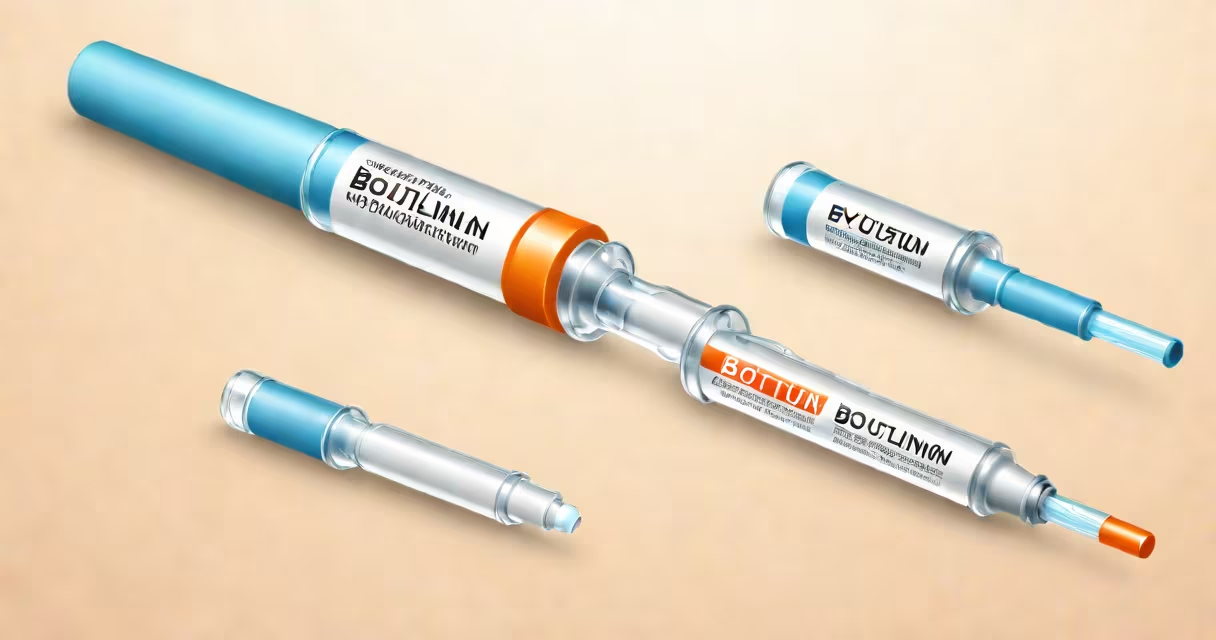
Botulinum toxin type A is a purified neurotoxic protein derived from the bacterium Clostridium botulinum. It temporarily paralyzes targeted muscles by blocking acetylcholine release at neuromuscular junctions. This mechanism reduces changing facial wrinkles and treats medical conditions involving muscle hyperactivity.
Used clinically since the early 1990s, botulinum toxin type A is FDA-approved for both aesthetic and therapeutic applications. Its effects begin within 24 to 48 hours after injection and peak around day 5 to 7. Duration typically lasts 3 to 4 months before gradual return of muscle function.
Common brand names include Botox Cosmetic, Dysport, and Xeomin. All contain the same active ingredient-botulinum toxin type A-but differ in formulation, dosing units, and onset speed. The U.S. Food and Drug Administration (FDA) regulates all formulations under strict purity and potency standards.
When injected into a muscle, botulinum toxin type A binds to presynaptic nerve terminals at the neuromuscular junction. It cleaves SNARE proteins-specifically SNAP-25-which are essential for vesicle fusion and neurotransmitter release. Without acetylcholine release, the muscle cannot contract.
This localized effect allows precise targeting. For example, injecting 20 units into the corrugator supercilii muscle reduces frowning while preserving forehead mobility. The paralysis is temporary because nerve terminals regenerate new synaptic vesicles over time.
A single treatment session takes about 15 minutes. Patients report mild stinging during injection, but no anesthesia is required. Results appear gradually, with most seeing visible changes by day 3. Full effect occurs by day 7.
Although all formulations contain botulinum toxin type A, differences exist in molecular weight, complexing proteins, and dilution volume. These affect diffusion patterns and clinical outcomes.
| Brand | Active Ingredient | Dose Units | Onset Time | Duration |
|---|---|---|---|---|
| Botox Cosmetic | Botulinum toxin type A | Units (U) | 2-4 days | 3-4 months |
| Dysport | Botulinum toxin type A | Units (U) | 1-3 days | 3-4 months |
| Xeomin | Botulinum toxin type A | Units (U) | 2-5 days | 3-4 months |
Some formulations include complexing proteins that may influence stability and immunogenicity. Xeomin is described as "naked" toxin because it lacks accessory proteins. This may reduce the risk of antibody development over time, according to a 2018 study published in *Neurology*.
Despite marketing claims, no evidence supports one brand being more effective than another for standard aesthetic use. Clinical outcomes depend more on injector skill than product choice.
Botulinum toxin type A is FDA-approved for treating glabellar lines (frown lines between the eyebrows), lateral canthal lines (crow's feet), and moderate-to-severe cervical dystonia (involuntary neck muscle contractions).
In aesthetics, it is used to soften forehead creases, reduce bunny lines (nose wrinkles), and define jawline contours. A typical treatment involves 10-20 units per area, adjusted based on muscle size and patient anatomy.
For medical use, it treats chronic migraines (administered in 31 sites across the head and neck), blepharospasm (involuntary eyelid spasms), and axillary hyperhidrosis (excessive underarm sweating). A 2021 review in *JAMA Dermatology* confirmed efficacy in reducing migraine frequency by 50% in 60% of patients after three months of treatment.
Off-label uses include treating bruxism (teeth grinding), gummy smiles, and plantar fasciitis pain. These applications lack FDA approval but have documented success in clinical practice.
Many patients assume botulinum toxin type A causes a "frozen" face. This results from over-treatment or poor injection technique-not the drug itself. When administered correctly, facial expressions remain natural and subtle.
Another misconception is that it causes long-term muscle atrophy. Studies show no significant muscle volume loss after repeated treatments. A 2019 longitudinal study in *Aesthetic Surgery Journal* tracked 120 patients over five years and found no measurable atrophy in treated muscles.
Risks include asymmetry, drooping eyelids (ptosis), and headache. Ptosis occurs in approximately 1% of cases and resolves within 4 weeks. Severe allergic reactions are extremely rare-fewer than 1 in 10,000 treatments, per FDA adverse event reports.
I once observed a patient develop temporary brow ptosis after receiving 25 units in the frontalis muscle. The issue resolved completely by day 10. The cause was likely improper needle placement near the levator palpebrae superioris tendon.
Botulinum toxin type A differs from other serotypes in structure and duration. Type B, for example, is less potent and has a shorter duration-typically 4 to 6 weeks. It is used off-label for chronic migraines and spasticity in patients who developed resistance to type A.
While both types inhibit acetylcholine release, they target different SNARE proteins. Type A cleaves SNAP-25; type B cleaves synaptobrevin (VAMP). This difference explains why cross-resistance is unlikely.
Patients who fail to respond to botulinum toxin type A may benefit from switching to type B. A 2020 trial in *Movement Disorders* showed 58% of non-responders achieved improvement with type B injections.
However, type B is not interchangeable with type A. Dosing conversions are not linear, and clinicians must adjust based on individual response. Using the wrong formulation risks ineffective treatment or side effects.
The FDA classifies botulinum toxin type A as a prescription medication. It is available only through licensed healthcare providers trained in injection techniques. Self-administration is illegal and dangerous.
Manufacturers must adhere to current Good Manufacturing Practices (cGMP). Each batch undergoes potency testing using mouse bioassays. The minimum effective dose is set at 0.1 units per kg of body weight for therapeutic use.
Long-term safety data from over 2 million treatments show low rates of serious adverse events. The National Institute of Neurological Disorders and Stroke (NINDS) confirms that botulinum toxin type A remains safe when used appropriately.
Patients with known hypersensitivity to any component of the formulation should avoid treatment. Those with neuromuscular disorders such as myasthenia gravis are at higher risk of systemic effects and should be evaluated carefully.
Botulinum toxin type A is a well-studied, effective agent for reducing changing facial wrinkles and managing neuromuscular conditions. Its action is localized, reversible, and predictable when administered by qualified professionals. Understanding its mechanisms, formulations, and limitations ensures informed decisions and optimal outcomes.
For individuals considering treatment, consult a board-certified dermatologist or plastic surgeon experienced in neuromodulator use. Avoid unregulated clinics offering "discount" injections-these often lack proper training and sterile protocols.