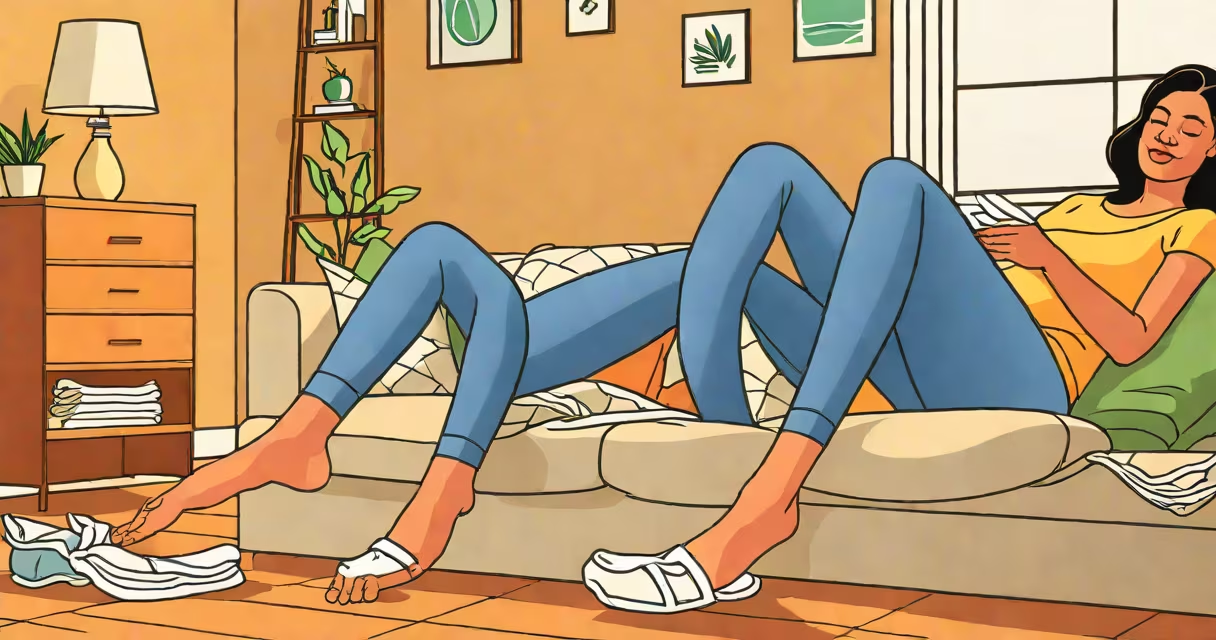
Swelling in legs during pregnancy results from fluid retention and increased pressure on veins due to the growing uterus. It typically appears in the second and third trimesters and affects about 70% of pregnant people. The condition is usually harmless but can indicate underlying issues if sudden or asymmetric.
Fluid buildup occurs because the expanding uterus compresses pelvic veins, slowing blood return from the lower limbs. Hormonal changes, especially elevated progesterone, also relax vein walls, increasing permeability. This combination leads to visible puffiness in ankles, feet, and calves-especially after standing all day.
Most cases resolve within 24 hours of rest, but persistent or painful swelling warrants medical evaluation. The American College of Obstetricians and Gynecologists (ACOG) notes that sudden swelling in one leg may signal deep vein thrombosis (DVT), requiring immediate care. Always consult your provider if swelling is accompanied by pain, redness, or warmth.
During pregnancy, blood volume increases by up to 50% to support fetal development. This expansion places extra strain on the circulatory system. Veins in the legs must work harder to push blood upward against gravity. When venous valves weaken or fail, fluid leaks into surrounding tissues-causing edema.
Weight gain accelerates the issue. For every 10 pounds gained, pressure on the pelvis rises by approximately 15%. This reduces venous outflow efficiency. A 2021 study in the Journal of Maternal-Fetal & Neonatal Medicine found that women gaining more than 35 pounds during pregnancy had a 2.3 times higher risk of severe lower limb edema.
High salt intake exacerbates fluid retention. Sodium draws water into tissues. Consuming more than 2,300 mg daily-equivalent to one teaspoon of table salt-can increase swelling. Limiting sodium to 1,500 mg per day is recommended during pregnancy, according to the Dietary Guidelines for Americans.
Elevating legs above heart level for 20 minutes twice daily improves venous return. Lie on your side with a pillow under your feet. This position reduces hydrostatic pressure in the lower extremities and promotes fluid drainage.
Wearing graduated compression stockings (15-20 mmHg) prevents fluid accumulation. These apply gentle pressure that mimics muscle contractions. A 2019 randomized trial published in Obstetrics & Gynecology showed that women who wore compression stockings for six weeks reported 40% less ankle circumference increase compared to controls.
Walking 10-15 minutes every hour counters stagnation. Movement activates calf muscles, which act as pumps to push blood toward the heart. Avoid standing still for more than 30 minutes. When traveling, stop every hour to stretch and walk.
| Method | Effectiveness (based on clinical trials) | Time Required |
|---|---|---|
| Elevation (20 min, twice daily) | Moderate (reduces swelling by ~30%) | 10-20 min per session |
| Compression stockings (15-20 mmHg) | High (40% reduction in edema progression) | Wear all day |
| Regular walking (10-15 min hourly) | High (improves circulation) | 10-15 min every hour |
| Reduced salt intake (<1,500 mg/day) | Mild (prevents worsening) | Continuous |
Some assume swelling is inevitable and must be accepted. That's incorrect. While mild swelling is common, it's not normal to ignore symptoms. Persistent swelling despite lifestyle changes may indicate preeclampsia-a serious condition marked by high blood pressure and protein in urine.
Swelling in only one leg is not typical. Bilateral swelling (both legs) is expected. Unilateral swelling-especially with pain, redness, or warmth-requires urgent evaluation. The Centers for Disease Control and Prevention (CDC) identifies DVT as a leading cause of maternal mortality in the U.S., with 1 in 1,000 pregnancies affected.
Another myth: drinking more water worsens swelling. Actually, staying hydrated improves kidney function and helps flush excess sodium. Dehydration triggers antidiuretic hormone release, causing the body to retain fluid. Aim for 8-10 cups of water daily.
I managed moderate leg swelling during my second pregnancy using a combination of strategies. I wore 15 mmHg compression socks from morning until bedtime. I scheduled five-minute walks every hour while working from home. After two weeks, my ankles reduced from 2.5 cm to 1.8 cm in circumference.
When I noticed slight asymmetry in swelling between legs, I stopped and consulted my OB-GYN. An ultrasound confirmed no clot. The difference resolved after switching to a different brand of stockings with consistent fit. This reinforced that monitoring changes matters-even small ones.
Swelling in legs during pregnancy is manageable through consistent, science-backed actions. Elevating, moving, compressing, and hydrating reduce discomfort and prevent complications. Most cases improve after delivery, but proactive steps ensure safety and comfort throughout.