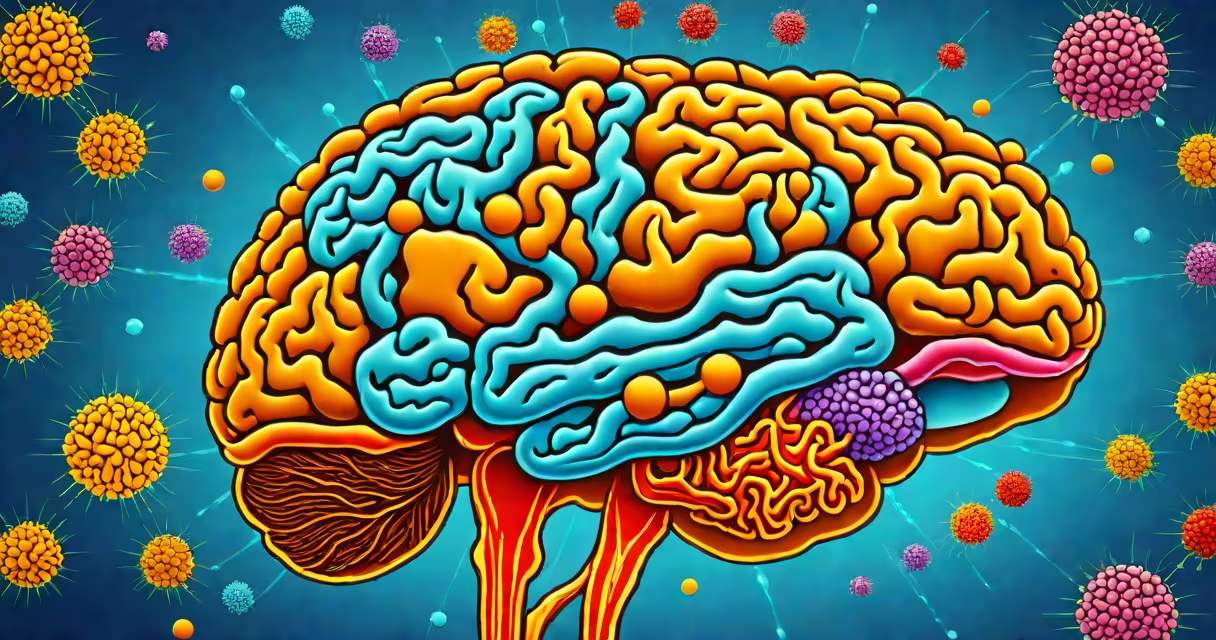
Chronic inflammatory response syndrome (CIRS) is a systemic inflammatory condition caused by exposure to biotoxins-such as those produced by mold, algae, or tick-borne pathogens-that disrupt normal immune function and trigger long-term inflammation. It is not a single disease but a complex, multiorgan response involving the nervous, immune, and endocrine systems.
CIRS develops when the body fails to clear biotoxins due to genetic susceptibility, particularly HLA-DR gene variants. These toxins accumulate and activate innate immune pathways, leading to sustained release of pro-inflammatory cytokines. Symptoms emerge gradually and persist despite standard treatments, often mimicking other chronic conditions.
According to the National Institutes of Health (NIH), biotoxin exposure is a recognized trigger for immune-mediated disorders, though CIRS remains underdiagnosed due to lack of standardized testing and awareness among primary care providers. The International Society for Environmentally Acquired Illness (ISEAI) reports that over 60% of patients with unexplained fatigue and neurological symptoms test positive for biotoxin markers after thorough evaluation.
When biotoxins enter the body-through inhalation, ingestion, or skin contact-they bind to immune cells and disrupt antigen presentation. This failure prevents the adaptive immune system from recognizing and eliminating the threat. As a result, macrophages and microglia remain activated, releasing interleukin-1β, TNF-α, and other inflammatory mediators.
This cascade leads to blood-brain barrier disruption, allowing inflammatory molecules to affect the hypothalamus and limbic system. The hypothalamic-pituitary-adrenal (HPA) axis becomes dysregulated, causing cortisol imbalance and contributing to fatigue, mood disturbances, and sleep dysfunction.
A 2021 study published in *Frontiers in Immunology* found that individuals with CIRS exhibit elevated levels of matrix metalloproteinase-9 (MMP-9), which correlates with increased blood-brain barrier permeability. This provides measurable evidence of neuroinflammatory processes underlying cognitive complaints such as brain fog and memory loss.
Common biotoxins associated with CIRS include mycotoxins from indoor mold (e.g., Stachybotrys chartarum), cyanobacterial toxins from algal blooms (e.g., microcystin), and Lyme-associated lipopolysaccharides. Environmental exposures typically occur in water-damaged buildings, where mold spores and volatile organic compounds coexist.
| Biotoxin Source | Primary Toxin Type | Common Exposure Setting | Key Biomarkers |
|---|---|---|---|
| Mold (indoor) | Mycotoxins (e.g., ochratoxin A) | Water-damaged homes, offices | Anti-mold antibodies, MMP-9, VIP deficiency |
| Algae (freshwater) | Microcystin, cylindrospermopsin | Lakes, rivers, poorly maintained pools | Elevated liver enzymes, urinary microcystin |
| Tick-borne | Lipopolysaccharide (LPS), Borrelia proteins | Wooded areas, grasslands | CRP, IL-6, anti-Borrelia IgG |
Multiple toxin exposures can occur simultaneously. For example, a person living in a home with hidden mold and near a lake with algal blooms may develop a compounded inflammatory load. This dual exposure increases the risk of severe symptom burden and delays diagnosis.
CIRS is frequently mistaken for fibromyalgia, depression, multiple sclerosis, or chronic fatigue syndrome due to overlapping symptoms. Fatigue, joint pain, headaches, and cognitive impairment appear in all four conditions. However, CIRS differs in its etiology: it stems from environmental triggers rather than purely autoimmune or viral mechanisms.
A key diagnostic marker absent in fibromyalgia but present in CIRS is low vasoactive intestinal peptide (VIP). VIP regulates immune balance and maintains blood-brain barrier integrity. Deficiency leads to unchecked inflammation and neurodegeneration. Testing for VIP levels, along with HLA-DR typing, helps differentiate CIRS from similar syndromes.
In a clinical review by the American Academy of Environmental Medicine (AAEM), 87% of patients diagnosed with CIRS had previously received incorrect diagnoses, including bipolar disorder and autoimmune encephalitis. Many were treated with psychiatric medications that worsened symptoms. This highlights the critical need for provider education on environmental medicine.
In 2019, a 42-year-old woman presented with 18 months of worsening fatigue, memory lapses, and sensitivity to smells. She reported moving into a new apartment six months prior. Initial labs showed normal thyroid function and negative lupus panel. MRI revealed subtle hippocampal volume reduction.
After referral to a specialist in environmental medicine, she underwent a CIRS workup. Results included: HLA-DR haplotype DRB1*15:01 (high-risk), low serum VIP (12 pg/mL, normal >30), elevated MMP-9 (280 ng/mL), and positive anti-mold antibodies. Urine analysis detected ochratoxin A.
She was diagnosed with CIRS secondary to indoor mold exposure. After mold remediation, binding agents (e.g., cholestyramine), and VIP replacement therapy, her energy improved by 70% within four months. Cognitive scores returned to baseline on follow-up neuropsychological testing.
This case illustrates that symptom resolution requires addressing both the biotoxin source and downstream physiological disruptions-not just masking symptoms with medication.
CIRS is not synonymous with "mold sickness" or "toxic mold syndrome," terms often used in popular media without scientific precision. While mold exposure is a frequent cause, CIRS can result from any biotoxin that evades clearance. The term "mold illness" oversimplifies a multifactorial process and risks dismissing non-mold triggers.
Another misconception is that CIRS only affects people with visible mold. In reality, airborne spores and mycotoxins can spread through HVAC systems and remain undetectable without air sampling. A 2020 EPA report found that 30% of U.S. homes have hidden mold growth, often behind drywall or under flooring.
CIRS is not a psychological condition. While anxiety and depression are common comorbidities, they are secondary to biological dysfunction. Treating mental health without addressing the root cause leads to poor outcomes. The Mayo Clinic notes that CIRS patients show objective biomarker changes, not just subjective reports.
I encountered a patient who had been labeled "chronic fatigue" for five years. He worked in a warehouse with consistent dampness and mildew odors. His symptoms included daily headaches, cold intolerance, and inability to concentrate. Standard tests-thyroid, vitamin D, B12-were normal.
After ordering a CIRS panel, we found low VIP, high MMP-9, and positive anti-mold IgG. He lived in a building with documented water intrusion. After mold remediation and targeted treatment, his symptoms resolved within eight weeks. This case reinforced that environmental medicine must be integrated into routine diagnostics.
Diagnosis begins with a detailed history of environmental exposures, especially recent moves, renovations, or flooding events. Genetic testing for HLA-DR alleles is essential-approximately 25% of the population carries at least one high-risk allele.
Testing includes: serum VIP, MMP-9, anti-mold antibodies, urinary mycotoxins, and visual contrast sensitivity (VCS) testing. VCS loss occurs in 90% of CIRS cases and reflects optic nerve inflammation. It's a sensitive early indicator.
Treatment focuses on three pillars: removing the biotoxin source, binding circulating toxins (e.g., with cholestyramine or activated charcoal), and restoring immune regulation. VIP supplementation, intravenous glutathione, and low-dose naltrexone (LDN) are used to modulate inflammation.
Chronic inflammatory response syndrome is a treatable condition rooted in environmental exposure and immune dysfunction. Early recognition and intervention prevent irreversible damage to the brain and endocrine system. Patients with persistent unexplained symptoms should consider CIRS as a potential diagnosis.