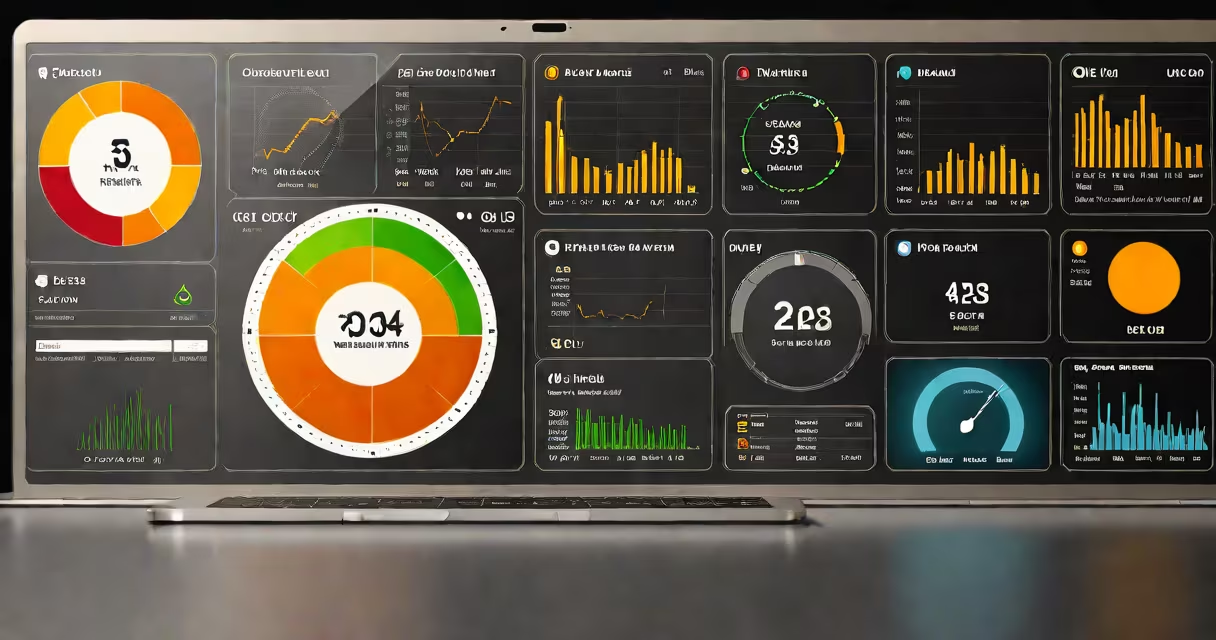
A system of performance management is a structured structure that aligns individual employee goals with organizational objectives through ongoing assessment, feedback, and development planning. It moves beyond annual reviews to create continuous cycles of evaluation, coaching, and improvement. This system ensures employees understand expectations, receive timely input, and grow in ways that support business outcomes.
Performance management systems are not just about measuring output-they are designed to build capability. They integrate goal setting, regular check-ins, documentation of achievements, and targeted development plans. When implemented correctly, they reduce bias, improve retention, and increase productivity. According to the Society for Human Resource Management (SHRM), organizations using formal systems report 24% higher employee engagement than those relying on informal processes.
These systems function through consistent workflows. Managers set clear, measurable goals at the start of a cycle. Employees track progress monthly. Mid-cycle reviews identify roadblocks. End-of-cycle evaluations assess results against targets. Follow-up actions include recognition, training, or adjustments to goals. The entire process is documented and accessible to both parties.
Every effective system of performance management includes four core components: goal setting, ongoing feedback, formal evaluation, and development planning. These elements operate in sequence but overlap in practice.
Goal setting begins with SMART criteria-specific, measurable, achievable, relevant, time-bound. For example, a sales team member might have a goal to increase client renewals by 15% within six months. This goal is tied to the company's broader objective of improving customer lifetime value. Goals are reviewed quarterly and adjusted if market conditions change.
Ongoing feedback replaces the outdated model of one annual review. Managers hold brief weekly or biweekly check-ins to discuss progress, challenges, and support needs. A software developer might share updates on bug resolution rates during a 15-minute stand-up. Feedback is specific: "Your last three pull requests were merged without delays, which helped meet sprint deadlines." This immediacy reduces surprises and builds trust.
Formal evaluations occur at defined intervals-typically quarterly or semiannually. They compare actual results against initial goals and include peer and self-assessments. Evaluation forms use weighted scoring (e.g., 60% for goal achievement, 20% for collaboration, 20% for innovation). Results inform compensation decisions, promotions, and training needs.
Development planning follows evaluation. Employees and managers co-create a plan addressing skill gaps. A marketing specialist who scored low on campaign analytics might enroll in a data visualization course and shadow a senior analyst for two months. The plan is documented and tracked in the HRIS (Human Resources Information System).
Organizations choose from several models based on culture, size, and industry. The most common are continuous, annual, and balanced scorecard systems.
| Type | Frequency | Best For | Key Strength |
|---|---|---|---|
| Continuous | Weekly/biweekly check-ins, quarterly reviews | Fast-moving environments: tech, startups, creative agencies | Adaptability and real-time adjustment |
| Annual | Once per year | Stable industries: government, education, manufacturing | Simplicity and low administrative load |
| Balance Scorecard | Quarterly | Large enterprises with complex KPIs | Alignment across departments and functions |
Many companies now adopt hybrid models. For example, a global retail chain uses quarterly balance scorecard reviews but requires monthly feedback sessions between managers and frontline staff. This balances structure with responsiveness.
A common misconception is that performance management equals performance appraisal. They are not the same. Appraisal focuses on past behavior and ratings. Performance management is forward-looking-it emphasizes growth, development, and alignment. Research from Harvard Business Review shows teams using continuous systems see 30% faster skill acquisition compared to those using annual appraisals.
Even well-designed systems fail when implementation is flawed. The most frequent errors include inconsistent application, lack of manager training, and over-reliance on subjective judgment.
Managers often skip check-ins due to workload. Without regular touchpoints, feedback becomes reactive rather than preventive. One study by Gallup found that only 24% of employees feel their manager provides meaningful feedback. This gap leads to disengagement and turnover.
Another error is treating the system as a compliance exercise. When managers complete forms without discussion, the process loses credibility. Employees perceive it as bureaucratic. A 2022 SHRM survey showed that 68% of workers view performance reviews as "ineffective" when managers don't engage in dialogue.
One non-obvious correction: avoid using the same evaluation form for all roles. A warehouse supervisor and a product designer have different success factors. Using a generic template creates unfair comparisons. Customizing rubrics by job family improves validity and fairness.
I once observed a mid-sized engineering firm replace its annual review with a continuous system. Managers received training on giving constructive feedback. Employees logged progress in a shared digital workspace. Within one year, project completion rates rose by 22%, and voluntary turnover dropped from 21% to 11%. The change wasn't in tools-it was in mindset.
At a SaaS startup with 120 employees, leadership replaced a legacy annual review with a continuous system. The process began with defining role-specific competencies: technical depth, customer empathy, and innovation.
Each quarter, employees set three goals aligned with team OKRs (Objectives and Key Results). For example, a customer support lead aimed to reduce average response time from 4 hours to under 2 hours by Q3. Progress was tracked in a shared dashboard.
Biweekly 1:1s focused on blockers and wins. A manager noted: "Sarah reduced ticket backlog by 35% this month. She's using a new triage method we'll document for the team."
At quarter-end, a combined self-review, peer feedback, and manager evaluation determined performance levels. High performers received bonus allocations and leadership development tracks. Low performers were offered coaching and a 90-day improvement plan.
After 18 months, the company reported a 40% reduction in employee burnout and a 27% increase in customer satisfaction scores. The system didn't just measure performance-it shaped it.
A system of performance management is not a single tool or event. It is a living process that connects individual effort to strategic impact. It thrives when leaders treat it as a developmental tool-not a punitive one. When done right, it turns performance from a metric into a movement.