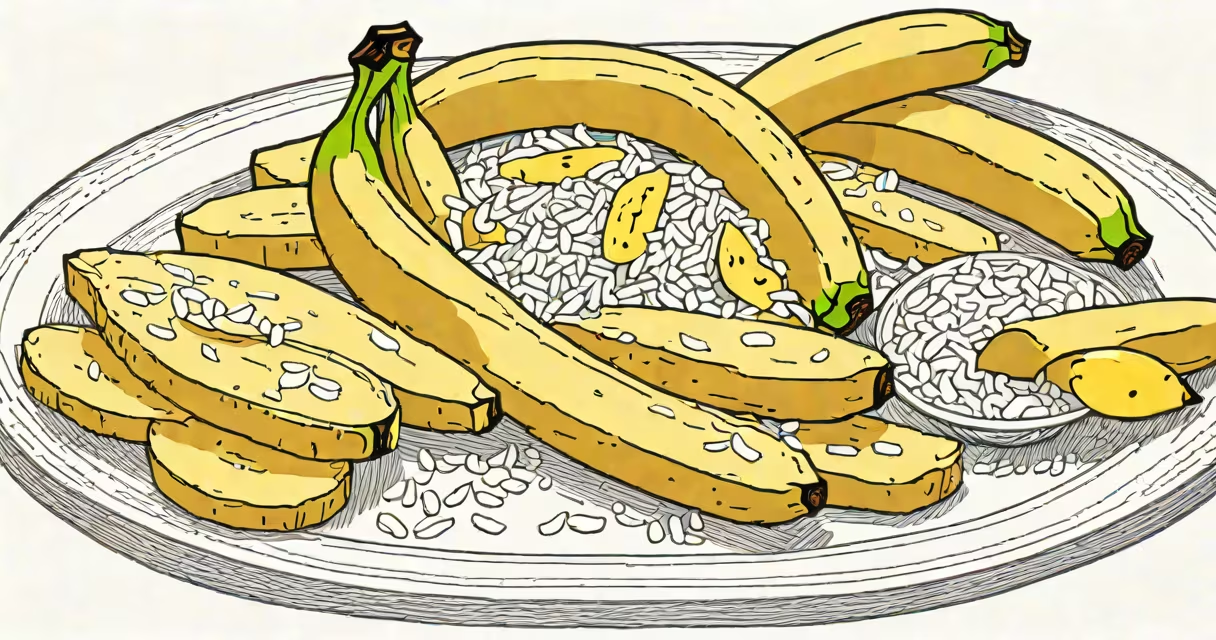
Good things to eat after vomiting are low-fiber, low-fat, easily digestible foods that reduce stomach irritation and support rehydration. These include bananas, white rice, toast, applesauce, and clear broths. They help restore electrolytes and gently reintroduce nutrients after gastrointestinal distress.
After vomiting, the stomach lining is sensitive. Eating too soon or choosing the wrong foods can trigger another episode. The goal is to start slowly with items that don't require much digestive effort. This approach reduces strain on the gut and prevents further upset.
Medical guidelines recommend waiting 4-6 hours after the last episode before eating. Begin with sips of water or clear fluids like oral rehydration solutions. Once tolerated, introduce soft, bland foods. The BRAT diet (bananas, rice, applesauce, toast) is widely recommended by healthcare providers for this phase.
The digestive system slows after vomiting due to inflammation and reduced motility. High-fiber, high-fat, or spicy foods increase gastric acid production and slow emptying time. This can cause cramping, bloating, or renewed nausea.
Bland foods like boiled white rice have minimal fiber and low fat. They absorb excess fluid in the intestines and help firm up stool. Bananas provide potassium, which is often depleted during vomiting. Applesauce offers pectin, a soluble fiber that soothes the intestinal lining.
A 2021 review in Frontiers in Nutrition confirmed that low-residue diets improve recovery speed in acute gastroenteritis. Participants who consumed bland meals within six hours of symptom onset reported fewer relapses than those who ate earlier or more complex meals.
Not all bland foods are equally effective. Some offer better nutrient balance or tolerance. The table below compares common options based on digestibility, nutritional benefit, and risk of triggering symptoms.
| Food | Digestibility | Nutrient Value | Risk of Re-triggering Nausea |
|---|---|---|---|
| Bananas | High | Good (potassium, vitamin B6) | Low |
| White rice (boiled) | Very high | Moderate (carbohydrates, trace iron) | Very low |
| Plain toast (white bread) | High | Low (simple carbs) | Low |
| Applesauce (unsweetened) | High | Moderate (pectin, small amounts of vitamin C) | Low |
| Clear broth (low-sodium) | High | Good (electrolytes, hydration) | Low |
These foods are effective because they lack irritants. Avoid dairy, fried items, citrus fruits, and artificial sweeteners. Even natural sugars in fruit juice can worsen diarrhea if consumed too early.
One non-obvious point: cold foods may be better tolerated than warm ones. A 2019 study in Journal of Clinical Gastroenterology found that patients consuming room-temperature or slightly chilled BRAT foods reported less nausea than those eating hot versions. Temperature affects gastric emptying speed.
Common errors include rushing into solid food, choosing "healthy" options like oatmeal or yogurt, or drinking carbonated beverages. These choices often backfire.
Oatmeal contains beta-glucans, which can ferment in the gut and cause gas. Yogurt introduces live cultures that may overstimulate a recovering digestive tract. Carbonation increases abdominal pressure and can induce reflux.
I once observed a patient return to the clinic two days after vomiting. She had eaten scrambled eggs and toast with jam. Her symptoms returned within 30 minutes. Eggs are high in protein and fat, requiring more enzyme activity than a healing stomach can handle. Jam adds sugar, which draws fluid into the bowel and can worsen diarrhea.
"Good things to eat after vomiting" is often mistaken for "foods to eat during illness." But timing matters. During active vomiting, fasting is advised. Introducing food too early leads to failure.
Another confusion: thinking that "natural" equals "safe." Fresh fruit, while nutritious, can contain fructose and acids that irritate the stomach. A single apple may seem harmless, but its acidity can trigger acid reflux in someone with a weakened lower esophageal sphincter.
Also, many assume that hydration alone is enough. But rehydration doesn't replace lost nutrients. After 24 hours of vomiting, potassium levels drop. Without replacing key electrolytes, muscle weakness and fatigue persist.
Here's how to apply this in practice:
This method follows recommendations from the American College of Gastroenterology and the World Health Organization's guidelines on managing acute gastroenteritis.
When symptoms persist beyond 24 hours, or if blood appears in vomit, seek medical care. Persistent vomiting may indicate infection, obstruction, or metabolic imbalance.
Understanding what to eat after vomiting avoids setbacks. Stick to low-residue, low-acid, low-fat foods. Monitor your body's signals. When in doubt, wait and hydrate first.
Good things to eat after vomiting aren't about taste or variety-they're about function. Choose foods that calm, not stimulate. Your gut will thank you.