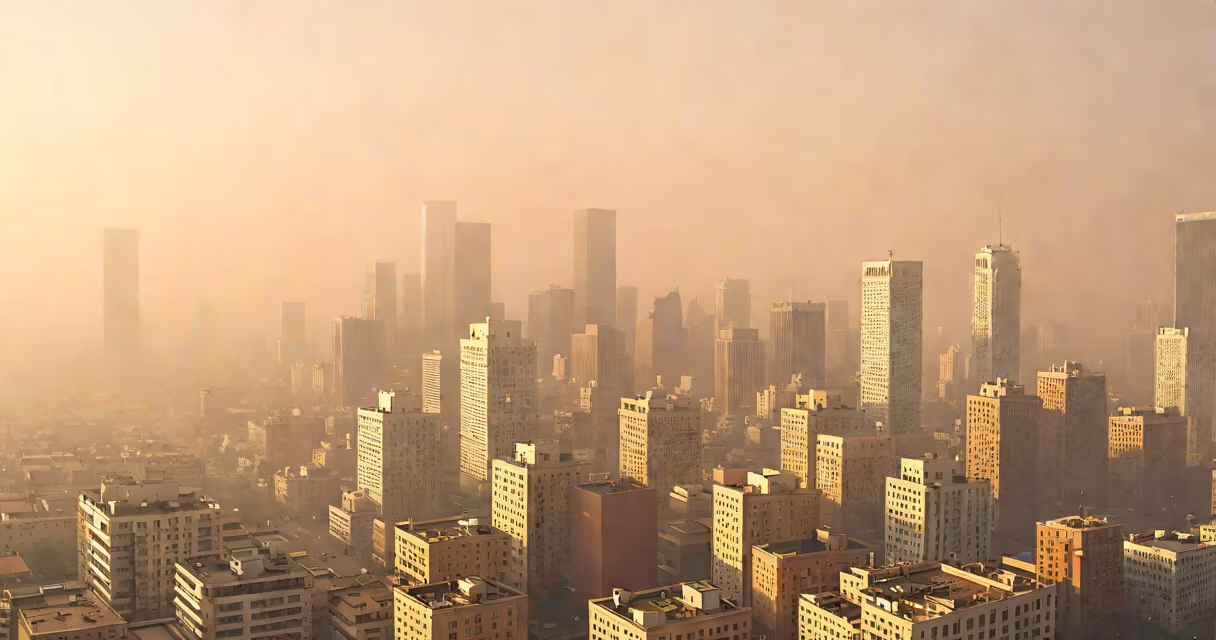
Smog-ground-level ozone mixed with particulate matter from vehicle exhaust, industrial emissions, and wildfires-damages lungs, worsens heart conditions, and raises risks for chronic diseases. It forms when sunlight reacts with nitrogen oxides and volatile organic compounds in the atmosphere, creating a toxic mix that penetrates deep into the respiratory system.
Smog develops most intensely in urban areas during hot, sunny days with stagnant air. The primary components are ground-level ozone (O₃) and fine particulate matter (PM2.5), both regulated by the U.S. Environmental Protection Agency (EPA) under the Clean Air Act. These pollutants enter the bloodstream through the lungs, triggering inflammation and oxidative stress throughout the body.
People with pre-existing conditions such as asthma, COPD, or cardiovascular disease face higher hospitalization rates during high-smog events. Children, older adults, and outdoor workers are especially vulnerable due to longer exposure times and developing or declining lung function.
When inhaled, PM2.5 particles-smaller than 2.5 micrometers-can bypass the nose and throat's natural filters. They travel deep into alveoli, where gas exchange occurs, and may cross into the bloodstream. Once in circulation, they contribute to systemic inflammation linked to atherosclerosis and stroke.
Ozone irritates the lining of the airways, reducing lung capacity by up to 15% during peak exposure. This leads to coughing, chest tightness, and shortness of breath. A 2021 study published in *The Lancet Planetary Health* found that daily exposure to ozone levels above 70 parts per billion increased emergency department visits for asthma by 12% in children under 14.
Long-term exposure correlates with reduced lung function growth in adolescents. The American Lung Association reports that teens living in cities with frequent smog episodes show lower FEV1 (forced expiratory volume in one second) values compared to peers in cleaner areas, even after adjusting for socioeconomic factors.
Two main types of smog exist: photochemical smog and industrial smog. Photochemical smog forms in warm, sunny climates when sunlight catalyzes reactions between NOx and VOCs. It dominates in places like Los Angeles and Beijing. Industrial smog results from coal combustion and releases sulfur dioxide and soot. It was historically common in cities like London during the 19th century.
| Type | Primary Pollutants | Health Effects | Geographic Hotspots |
|---|---|---|---|
| Photochemical | Ozone (O₃), PM2.5, NOx | Worsened asthma, eye irritation, reduced lung function | Los Angeles, Delhi, Mexico City |
| Industrial | Sulfur dioxide (SO₂), soot, heavy metals | Chronic bronchitis, heart strain, premature death | Historical: London; current: parts of China and India |
Modern urban centers often experience hybrid smog-mixing elements of both types. For example, in Southern California, wildfire smoke adds PM2.5 to existing photochemical smog, compounding respiratory harm. During the 2020 wildfire season, emergency room visits for respiratory distress rose 37% in counties affected by smoke plumes, according to the California Department of Public Health.
Many assume smog only harms people with diagnosed conditions. But research shows healthy individuals also suffer measurable declines in lung function after prolonged exposure. A 2022 cohort study in *Environmental Health Perspectives* tracked 1,200 adults in Houston over five years. Even those without prior illness showed a 4% annual decline in lung capacity when exposed to average daily PM2.5 levels above 12 µg/m³.
Another myth is that indoor air is safe during smog events. In reality, indoor concentrations can reach 60-80% of outdoor levels, especially in homes without filtration. A 2023 study from Harvard's T.H. Chan School of Public Health measured indoor PM2.5 levels in 150 apartments across New York City. On high-smog days, 68% exceeded WHO recommended limits indoors, despite closed windows.
Some believe masks offer full protection. N95 respirators reduce particle inhalation by 95% under lab conditions-but real-world effectiveness drops to 60-70% due to improper fit, reuse, or inadequate seal. The CDC notes that only 38% of users achieve proper seal during training exercises.
In 2019, Los Angeles County recorded 14,200 emergency visits related to respiratory symptoms during a 10-day smog episode. Hospital admissions for asthma rose 22% compared to baseline. Data from the Los Angeles County Department of Public Health revealed that residents in neighborhoods near major freeways had a 2.3-fold higher incidence of childhood asthma than those in low-traffic zones.
One resident, Maria R., a 52-year-old teacher in South L.A., reported worsening shortness of breath during summer months. Her pulmonary function tests showed a 17% drop in FEV1 over two years-consistent with long-term exposure to elevated ozone. After switching to a HEPA-filtered home unit and avoiding outdoor activity during peak hours, her symptoms improved by 40% within six months.
Check daily air quality forecasts via the EPA's AirNow website. When the AQI (Air Quality Index) reaches "Unhealthy" (101-150) or higher, limit outdoor exertion. Use N95 masks during high-exposure periods, but ensure correct fit. Keep indoor air clean with HEPA filters and avoid burning candles or using gas stoves without ventilation.
Advocate for local policy changes. Cities like Los Angeles have implemented low-emission zones and expanded electric bus fleets to reduce traffic-related pollution. Research shows that after the 2019 expansion of the Metro Bus fleet to zero-emission models, PM2.5 levels dropped 11% in central districts over 18 months.
Understanding the effects of smog on health reveals a clear pattern: consistent exposure damages cells, weakens defenses, and accelerates aging in important organs. Reducing personal exposure and pushing for systemic change are essential steps toward protecting long-term well-being.