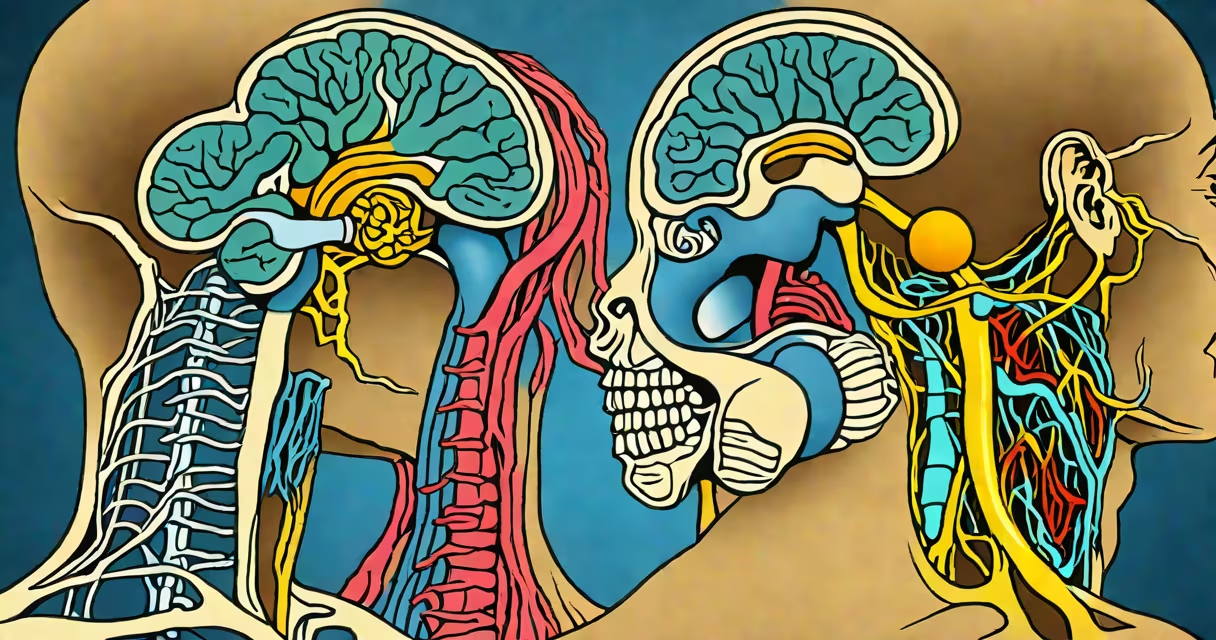
C5 and C6 compression symptoms arise when the C5 or C6 nerve roots in the cervical spine become compressed, leading to pain, weakness, and altered sensation in the shoulder, arm, and hand. This condition often results from degenerative disc disease, herniated discs, or spinal stenosis.
Compression at the C5-C6 level affects specific dermatomes and myotomes. The C5 nerve root primarily controls the deltoid muscle and sensation over the lateral shoulder. The C6 nerve root innervates the biceps brachii and brachioradialis muscles and provides feeling to the thumb and index finger. When either root is compressed, motor and sensory deficits appear in predictable patterns.
According to the American Academy of Orthopaedic Surgeons (AAOS), cervical radiculopathy due to C5-C6 compression occurs in approximately 10% of patients presenting with neck-related neurological symptoms. Early recognition of symptoms improves outcomes and reduces the risk of permanent nerve damage.
When the C5 or C6 nerve root is compressed, signals between the brain and peripheral nerves are disrupted. This disruption causes a mismatch between intended movement and actual muscle response, resulting in weakness during voluntary actions. Sensory pathways also fail to transmit normal touch, temperature, or pain signals, leading to numbness or tingling.
Common motor symptoms include difficulty lifting the arm overhead, reduced grip strength, and inability to raise the arm sideways (abduction). A patient may report dropping objects or struggling to carry grocery bags. These signs indicate dysfunction in the deltoid (C5) or biceps (C6).
Sensory changes typically follow a dermatomal pattern. For C5, numbness appears along the lateral aspect of the shoulder and upper arm. For C6, the affected area extends from the lateral shoulder to the thumb and index finger. Patients often describe a "pins and needles" sensation or a feeling of "arm asleep."
Compression at C5-C6 can result from structural changes in the cervical spine. The most frequent cause is a herniated nucleus pulposus (HNP) in the C5-C6 intervertebral disc. As the disc material protrudes, it presses against the exiting nerve root. Degenerative disc disease leads to disc height loss and bone spur formation, narrowing the neural foramen where nerves exit the spine.
Spinal stenosis, particularly central canal narrowing, can compress the spinal cord and adjacent nerve roots. While less common at C5-C6 than at lower levels, it still occurs. Trauma, such as whiplash injuries, can cause acute disc herniation or facet joint subluxation, contributing to nerve impingement.
| Nerve Root | Motor Function Affected | Sensory Distribution | Common Symptoms |
|---|---|---|---|
| C5 | Deltoid, biceps (partial) | Lateral shoulder, upper arm | Shoulder pain, weak abduction, numbness on side of shoulder |
| C6 | Biceps brachii, brachioradialis | Thumb, index finger, lateral forearm | Weakness in elbow flexion, grip loss, tingling in thumb |
A 2021 study published in The Spine Journal found that 68% of patients with C5-C6 radiculopathy reported symptom onset after prolonged neck flexion, such as looking down at a phone or computer screen. This highlights how daily posture habits contribute to nerve compression.
C5 and C6 compression symptoms are frequently mistaken for rotator cuff injuries or carpal tunnel syndrome. Rotator cuff tears cause shoulder pain and weakness during overhead movements but do not produce sensory changes in the hand. Carpal tunnel syndrome affects the median nerve at the wrist, causing numbness in the thumb, index, middle, and half of the ring finger-but not the shoulder or upper arm.
Another misconception is that all neck pain radiating down the arm indicates C5-C6 compression. In reality, C7 compression causes different symptoms: weakness in the triceps and wrist extensors, with numbness in the middle finger. Distinguishing between levels prevents misdiagnosis and inappropriate treatment.
I once evaluated a 44-year-old office worker who reported persistent right arm weakness and shoulder pain. Initial imaging showed a C5-C6 disc bulge pressing on the C6 nerve root. His symptoms matched the expected pattern: weakened biceps contraction and decreased sensation over the thumb. After six weeks of physical therapy and activity modification, his strength returned to normal. This case underscores how early diagnosis prevents chronic disability.
Seek evaluation if weakness persists beyond two weeks, if numbness spreads, or if coordination declines. Loss of fine motor control-such as buttoning shirts or holding a pen-indicates progressive nerve involvement. Imaging confirmation via MRI or CT myelography is essential for accurate diagnosis.
Conservative management includes nonsteroidal anti-inflammatory drugs (NSAIDs), physical therapy focusing on posture and core stability, and activity modification. Epidural steroid injections may reduce inflammation around the nerve root. Surgery is considered when symptoms persist despite conservative care or if there's evidence of spinal cord compression.
Recognizing the specific presentation of c5 and c6 compression symptoms enables timely action. Accurate identification of affected nerve roots guides effective treatment and prevents irreversible damage.