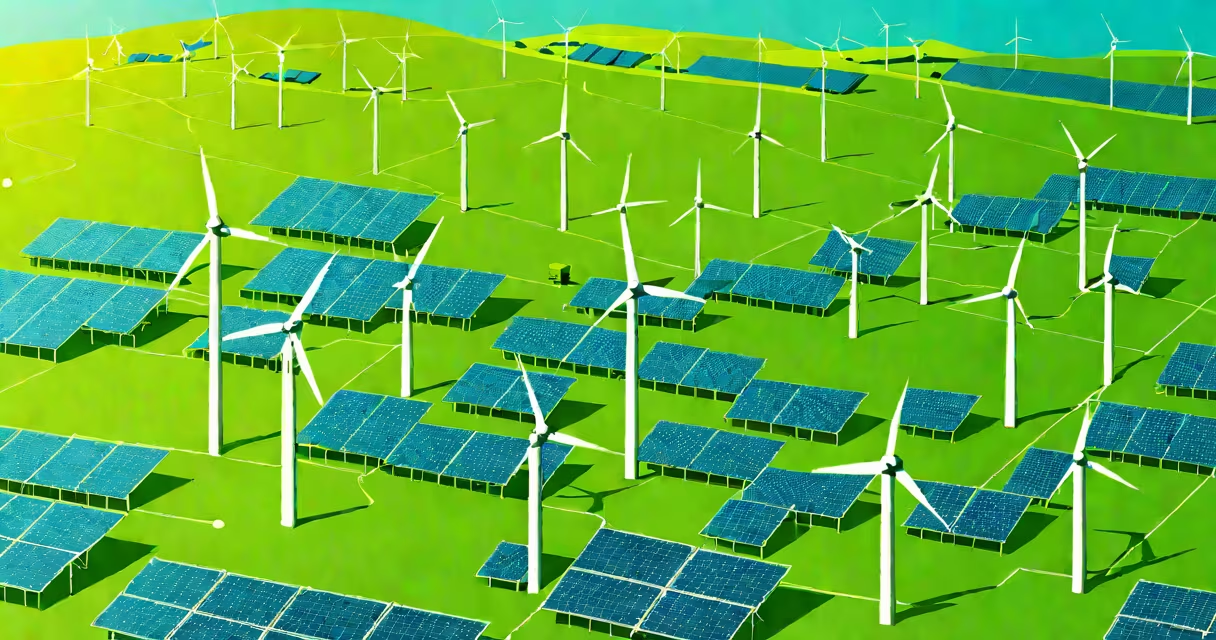
Clean energy definition refers to power generated from sources that emit minimal or no harmful pollutants or greenhouse gases during operation. These sources include solar, wind, hydroelectric, geothermal, and certain forms of biomass. Unlike fossil fuels, clean energy systems do not release carbon dioxide, sulfur dioxide, or nitrogen oxides when producing electricity.
Clean energy is central to global efforts to reduce climate change impacts. The International Energy Agency (IEA) defines clean energy as energy that "does not contribute to air pollution or climate change." This includes both renewable sources and nuclear power, though nuclear remains controversial due to waste and safety concerns. The U.S. Department of Energy emphasizes that clean energy technologies are essential for meeting national emissions targets and improving air quality.
While often used interchangeably, clean energy is not synonymous with renewable energy. All renewables are clean, but not all clean energy is renewable. Nuclear power, for example, produces no carbon emissions during generation but relies on fissile materials and generates long-lived radioactive waste. This distinction matters when evaluating policy options and infrastructure investments.
Clean energy systems convert natural resources into electricity through physical or chemical processes. Solar panels use photovoltaic cells to turn sunlight directly into electrical current. Wind turbines capture kinetic energy from moving air, spinning generators to produce electricity. Hydroelectric dams channel flowing water to turn turbines. Geothermal plants tap heat from deep underground to generate steam that powers turbines.
These processes differ from fossil fuel combustion, which burns coal, oil, or gas to create heat that drives steam turbines. Burning fossil fuels releases carbon dioxide, methane, and particulates-substances linked to respiratory illness and global warming. Clean energy avoids these emissions during operation, though manufacturing and installation still carry environmental costs.
A 2022 study by the National Renewable Energy Laboratory (NREL) found that utility-scale solar farms emit about 40 grams of CO₂ equivalent per kilowatt-hour over their lifetime, compared to 820 g/kWh for coal-fired plants. Wind energy averages 11 g/kWh. These figures show the operational emission advantage of clean energy sources.
The most common clean energy sources fall into five categories:
| Source | Emission Profile | Capacity Factor | Primary Limitation |
|---|---|---|---|
| Solar PV | Zero during operation | 15-25% | Intermittency; requires storage |
| Onshore Wind | Zero during operation | 35-45% | Variable output; land use conflicts |
| Hydroelectric | Zero during operation | 35-60% | Ecological disruption; drought vulnerability |
| Geothermal | Low; minor hydrogen sulfide release | 70-90% | Location-specific; high drilling cost |
| Nuclear | Zero during operation | 90-95% | Radioactive waste; public opposition |
Each source has trade-offs. Solar and wind are highly scalable but depend on weather and time of day. Hydropower provides consistent output but can displace communities and alter river ecosystems. Geothermal is stable but limited to tectonically active regions. Nuclear offers high output with low emissions but faces regulatory hurdles and waste management challenges.
Clean energy powers homes, businesses, transportation, and industrial processes worldwide. In 2023, renewables accounted for 30% of global electricity generation, according to the IEA. China leads in installed solar capacity with over 590 gigawatts (GW), while Denmark generates nearly 55% of its electricity from wind.
Utility companies integrate clean energy into grids using smart inverters and battery storage. For example, California's grid operator, CAISO, uses real-time forecasting and demand response programs to balance variable solar and wind output. During peak sunlight hours, solar can supply over 50% of statewide demand.
Industrial users adopt clean energy to meet sustainability goals and reduce compliance risks. Google operates 100% renewable-powered data centers globally, purchasing wind and solar contracts to match its annual electricity use. This strategy supports corporate net-zero commitments and reduces exposure to carbon pricing schemes.
Many assume that all green power is clean. But not all renewable sources qualify under strict clean energy standards. Biomass burning, for instance, releases CO₂ and particulates. When wood pellets are burned at scale, they can emit more CO₂ per unit of energy than coal. The European Environment Agency notes that unregulated biomass use may increase air pollution and deforestation.
Another misconception is that clean energy is always cheap. While levelized cost of electricity (LCOE) for solar and wind has dropped below $30/MWh in many regions, integration costs rise with penetration. Grid upgrades, energy storage, and backup generation add expenses. A 2021 NREL report estimated that adding 50 GW of solar to Texas's grid would require $1.2 billion in new transmission infrastructure.
I once observed a small town in rural Iowa install a 1.2 MW solar range. The project reduced local electricity rates by 18% over five years. But the community had to pay $2.3 million upfront, funded through federal grants and municipal bonds. The savings came slowly, and maintenance costs were higher than expected due to dust accumulation and panel degradation. This experience confirmed that clean energy benefits depend heavily on location, scale, and ongoing management.
Clean energy differs from energy efficiency, which focuses on reducing energy demand. Improving insulation, upgrading HVAC systems, and using LED lighting lower consumption without changing energy sources. The U.S. Environmental Protection Agency states that combining clean energy with efficiency measures can cut household energy bills by up to 40%.
Energy efficiency is distinct from fossil fuel energy, which relies on extracting and combusting finite resources. Coal, oil, and natural gas remain dominant in global energy mix-accounting for 80% of primary energy use in 2023, per the IEA. Fossil fuel energy produces significant emissions and contributes to climate instability. Transitioning away from these sources is central to achieving net-zero goals.
Clean energy definition encompasses technologies that generate electricity with minimal environmental harm. As deployment grows, the focus shifts from availability to reliability, affordability, and integration. The path forward requires coordinated investment, updated regulations, and public acceptance.