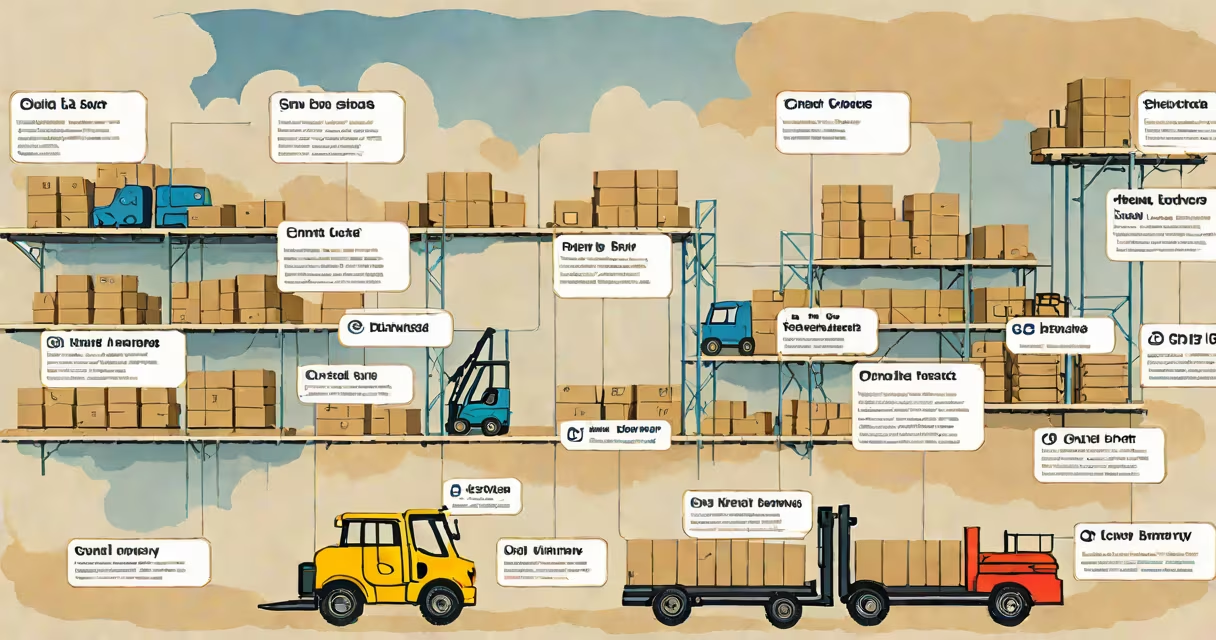
Cloud based inventory is a digital system that stores, manages, and updates stock data in real time using remote servers accessed via the internet. It replaces paper logs and standalone spreadsheets with centralized, always-updated records accessible from any device with network access.
Unlike traditional inventory systems that rely on local databases or physical ledgers, cloud based inventory runs on external servers hosted by third-party providers. This allows businesses to track product availability, reorder points, and shipment statuses from anywhere-whether in a warehouse, office, or on the move. The system automatically syncs changes across all connected devices, ensuring everyone sees the same current data.
For example, when a retail store sells a product through its point-of-sale (POS) system, the cloud based inventory instantly deducts one unit from the available stock. Simultaneously, the update appears on the manager's tablet, the warehouse team's screen, and the procurement dashboard-all within seconds. This eliminates delays and errors common in manual or offline systems.
The core function of cloud based inventory is continuous synchronization between data inputs and central storage. When a new item is added, a sale is processed, or a shipment arrives, the system captures the event and pushes the updated record to the cloud server. All authorized users then pull the latest version from the server, ensuring consistency across locations and roles.
Data flows through APIs (application programming interfaces) that connect the inventory system to other business tools. For instance, when a customer places an order online, the e-commerce platform sends the order details to the cloud based inventory system. The system checks if the item is in stock. If yes, it reserves the item and triggers a fulfillment workflow. If not, it alerts the purchasing team to reorder.
A key feature is real-time reporting. Managers can view daily sales velocity, stock turnover rates, and low-stock alerts without waiting for end-of-day reconciliation. These insights are generated from live data, not batched summaries, enabling faster decision-making.
Cloud based inventory systems vary by scale, integration depth, and automation level. They typically include:
Businesses choose among three main deployment models:
| Type | Best For | Example Use Case |
|---|---|---|
| Standalone SaaS | Small retailers with basic needs | Local café tracking coffee bean stock |
| Integrated with ERP | Mid-sized manufacturers and distributors | Factory tracking raw materials and finished goods across plants |
| Custom enterprise solution | Larger organizations with complex workflows | Global retailer managing 10,000 SKUs across 500 stores |
Many systems support multi-location tracking. A single company can manage inventory across warehouses, stores, and even drop-shipping partners using shared dashboards and role-based permissions.
Cloud based inventory is often confused with simple spreadsheet-based tracking or on-premise software. The difference lies in data ownership and accessibility. Spreadsheets stored locally on a laptop can't be viewed simultaneously by multiple users without risk of conflict. Cloud based inventory avoids this by hosting data centrally and enforcing version control.
Another misconception is that cloud based inventory requires constant internet access. While connectivity is needed to update or retrieve data, most systems allow offline mode for temporary operations. For example, a warehouse worker can scan items during a Wi-Fi outage and sync the data once back online. This prevents disruptions during network failures.
In 2022, a regional grocery chain with 42 stores adopted a cloud based inventory system. Before implementation, each store maintained its own Excel sheet for stock counts. Weekly audits revealed discrepancies in 68% of locations due to delayed updates and human error.
After switching to a cloud based inventory platform, the chain achieved:
One store manager reported that during a holiday weekend, the system flagged a surge in demand for turkey breast. The central warehouse rerouted stock from nearby locations within hours, preventing lost sales. Without the cloud system, this coordination would have taken days.
Cloud based inventory enables operational agility. With real-time data, teams respond faster to supply chain shifts, seasonal spikes, and customer behavior changes. It reduces capital tied up in overstock and minimizes waste from expired goods.
According to a 2023 report by Gartner, companies using cloud based inventory systems experience 31% higher inventory turnover compared to those relying on legacy systems. The study noted that integration with procurement and sales platforms was the primary driver of efficiency gains.
For small businesses, the cost barrier is low. Many cloud based inventory tools offer pay-per-user or tiered pricing. A basic plan may start at $29/month for up to five users, covering up to 1,000 SKUs. Larger deployments scale with usage, avoiding large upfront hardware investments.
When choosing a system, verify provider compliance with data protection standards such as GDPR and SOC 2. Data breaches in cloud systems are rare but preventable with proper vendor vetting. Always review service level agreements (SLAs) for uptime guarantees and incident response times.
Cloud based inventory is not just a tool-it's a foundation for scalable, responsive operations. It turns inventory from a static count into a changing part of the business workflow. The shift from reactive to proactive management begins with real-time visibility.
Understanding how cloud based inventory functions reveals its role beyond tracking. It enables smarter decisions, tighter coordination, and better customer outcomes. As supply chains grow more complex, reliance on centralized, always-on systems becomes essential.