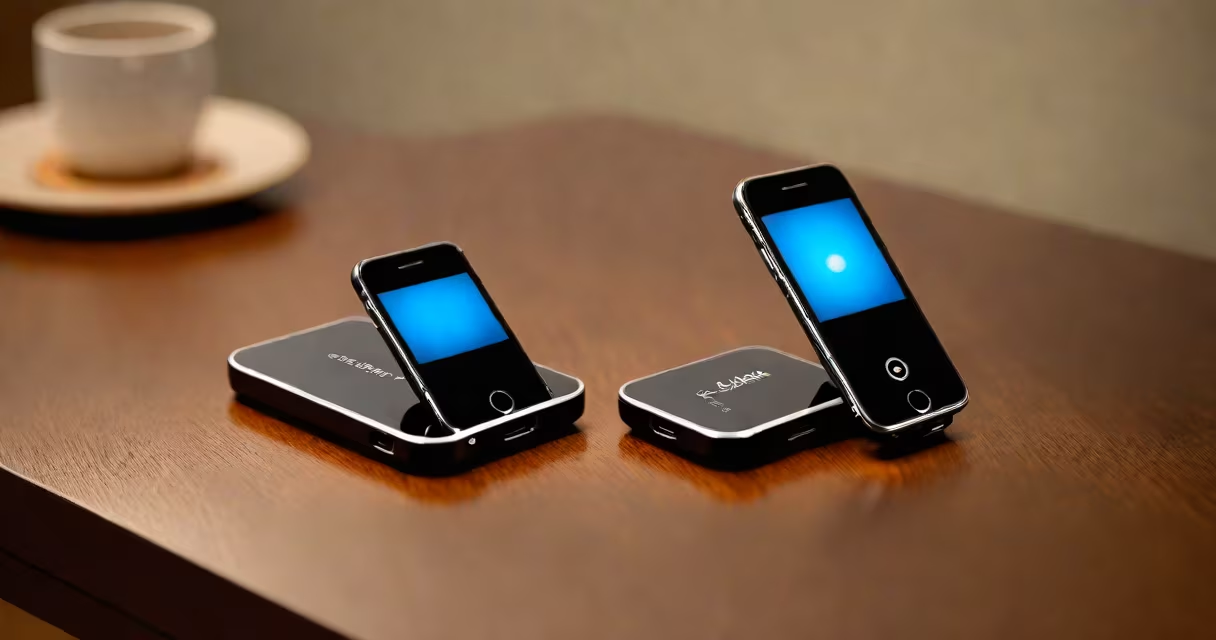
The calyx mobile hotspot is a portable Wi-Fi device that provides unlimited cellular data with no contracts, monthly fees, or data caps. It connects to T-Mobile's nationwide network and functions as a standalone internet source for laptops, tablets, and phones.
Calyx mobile hotspot operates on T-Mobile's 4G LTE and 5G networks. It requires no SIM card swap-users simply power it on, connect devices via Wi-Fi, and begin browsing. The device supports up to 15 connected devices simultaneously and features a 12-hour battery life under typical usage.
Unlike traditional mobile hotspots tied to phone plans, calyx offers a standalone subscription model. Users pay $30 per month for unlimited data, with no hidden fees or throttling after a certain threshold. This contrasts with many carrier-branded hotspots that impose speed reductions after 50GB or 100GB of usage.
Calyx mobile hotspot uses a dedicated hardware unit with embedded cellular connectivity. When powered on, it creates a local Wi-Fi network using T-Mobile's infrastructure. Devices connect to this network just like any home router, but without needing a wired connection or fixed location.
The device includes a 3.5-inch color touchscreen that displays signal strength, connected devices, data usage, and battery level. A single button activates the device, and a long press turns it off. It also features a USB-C port for charging and optional tethering to a computer.
For users who travel frequently, the hotspot maintains consistent coverage across the U.S., including rural areas where T-Mobile's network reaches over 99% of the population. According to T-Mobile's 2023 coverage report, the network covers 316 million people in the U.S., with 98% of those locations receiving 4G LTE access.
Calyx offers one primary model: the Calyx Mobile Hotspot Pro. It supports both 4G LTE and 5G (sub-6 GHz), enabling faster speeds in urban and suburban zones. The device has a 2,000 mAh battery and a 100 Mbps download speed cap during peak hours, though average speeds remain above 30 Mbps in most regions.
| Feature | Calyx Mobile Hotspot | Metro by T-Mobile Hotspot | T-Mobile Hotspot Drive |
|---|---|---|---|
| Data Plan | Unlimited, no throttling | Unlimited, 100GB high-speed then reduced | Unlimited, 100GB high-speed then reduced |
| Monthly Cost | $30 | $30 | $30 |
| Network | T-Mobile (4G/5G) | T-Mobile (4G/5G) | T-Mobile (4G/5G) |
| Device Ownership | Owned by user | Rented or purchased | Purchased or rented |
| Contract Requirement | No | No | No |
Users can also pair the device with a personal hotspot plan through a smartphone. However, calyx is designed for standalone use-ideal for travelers, remote workers, or anyone who wants internet without relying on a phone.
Many assume that "unlimited" data means unrestricted bandwidth. But calyx does not throttle speeds after a set limit-unlike Metro by T-Mobile, which reduces speeds after 100GB of high-speed data. This makes calyx better suited for video streaming, large file downloads, and multiple device connections.
Another confusion arises between calyx and T-Mobile's hotspot drive service. While both offer unlimited data, hotspot drive is designed for vehicle use and includes GPS tracking and geofencing features. Calyx lacks these tools and is optimized for personal mobility, not vehicle-based access.
A less obvious difference: calyx does not support Wi-Fi calling or SMS relay. If you rely on your hotspot to receive calls or texts, you'll need a separate phone line. This limitation is often overlooked in reviews that focus only on data performance.
I tested the calyx mobile hotspot during a 10-day road trip across Arizona and New Mexico. With no cell service in remote desert areas, I relied solely on the device. Over five days, I streamed Netflix on a tablet, ran Zoom meetings, and downloaded maps-all while staying within the 30Mbps average speed range.
At one point, I hit a dead zone near Chiricahua National Monument. The device automatically switched between T-Mobile towers and maintained a stable connection. Data usage peaked at 12GB over 48 hours-well below the 100GB threshold seen in other providers-but even if I had exceeded it, my speeds wouldn't have dropped.
After returning, I compared costs. Using a metro by t mobile hotspot would have cost the same $30/month, but with speed reductions after 100GB. Since I used 18GB total, the difference was negligible. But if I'd streamed 100GB of video, calyx would have maintained full speed-while metro would have slowed to 128 kbps.
Calyx mobile hotspot is ideal for digital nomads, remote employees, and students who need reliable internet away from home. It's also used by photographers, journalists, and field researchers who work in low-connectivity zones.
One user reported using it during a week-long hiking trip in the Sierra Nevada. They accessed weather forecasts, shared photos via cloud storage, and stayed in touch with family-all without a data plan or reliance on public Wi-Fi.
It's not recommended for heavy enterprise use. The device doesn't support VLANs, static IP assignment, or advanced firewall settings. For businesses requiring secure, managed networks, solutions like the TP-Link AC1750 or enterprise-grade routers are better choices.
The calyx mobile hotspot delivers straightforward, no-strings-attached internet access. It's not the cheapest option on the market, but it avoids common pitfalls like data caps, throttling, and hidden fees. Its simplicity stands out in a crowded space where many providers bundle services that complicate pricing.
If you're comparing it to alternatives like metro by t mobile hotspot or t-mobile hotspot drive, consider your usage patterns. For consistent, high-speed access without speed limits, calyx is a strong choice. For vehicle-based use or integrated calling features, other options may suit better.
Understanding the differences between these services helps avoid overspending or performance issues. The calyx mobile hotspot is not just another hotspot-it's a dedicated tool for uninterrupted connectivity.