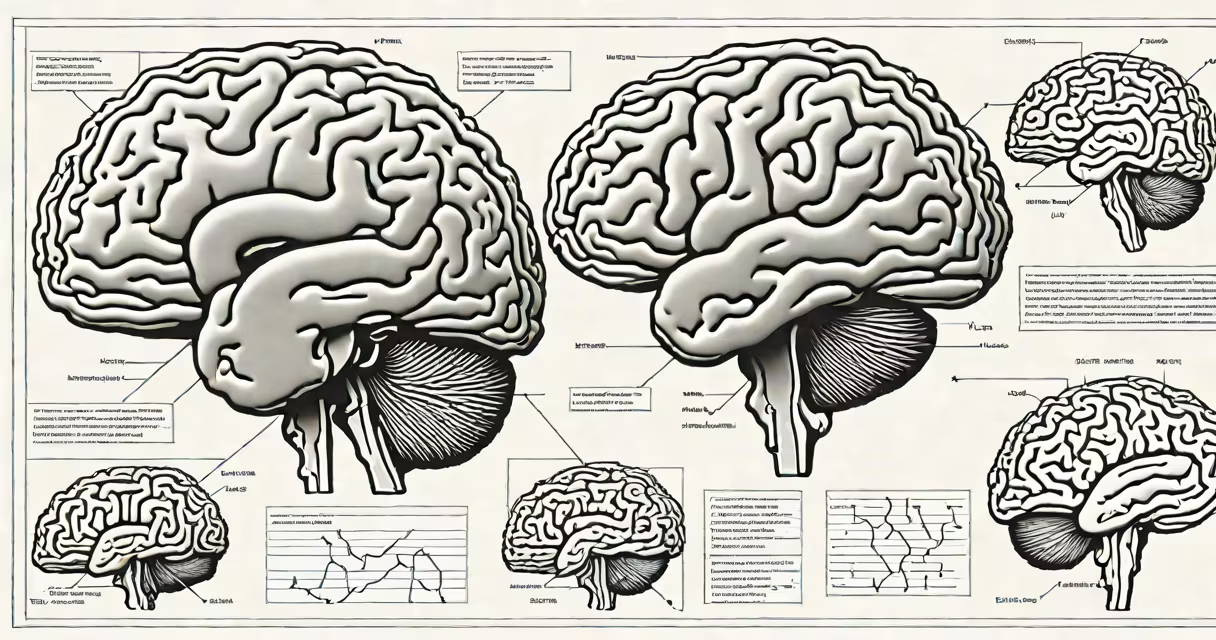
Depression alters brain function through imbalances in neurotransmitters like serotonin and dopamine, structural changes in regions such as the prefrontal cortex and hippocampus, and disrupted communication within neural circuits responsible for mood regulation, motivation, and emotional processing.
These changes aren't just psychological-they're measurable. Brain imaging studies show reduced gray matter volume in areas linked to decision-making and emotional control. Functional MRI scans reveal less activity in the dorsolateral prefrontal cortex, a region critical for maintaining focus and goal-directed behavior. When someone is depressed, their brain doesn't just feel broken-it operates differently.
Neurotransmitters act as chemical messengers between neurons. In depression, levels of serotonin, norepinephrine, and dopamine often fall below optimal ranges. Serotonin helps regulate mood, sleep, and appetite. Low levels correlate with persistent sadness, fatigue, and difficulty concentrating. Dopamine influences reward perception and motivation. Reduced dopamine activity explains why people with depression lose interest in activities they once enjoyed-even basic pleasures like eating or socializing.
Research from the National Institute of Mental Health confirms that individuals with major depressive disorder show decreased activity in the anterior cingulate cortex, a hub involved in emotional regulation and conflict monitoring. This area becomes underactive during negative thought patterns, making it harder to shift attention away from distressing thoughts. The imbalance isn't uniform-some people show hyperactivity in the amygdala, which processes fear and threat, leading to heightened anxiety even in low-risk situations.
| Brain Region | Role in Mood Regulation | Change in Depression |
|---|---|---|
| Prefrontal Cortex | Manages executive functions, decision-making, emotional control | Reduced volume and activity; impaired ability to regulate emotions |
| Hippocampus | Regulates stress response, memory formation | Shrinks by up to 10% in chronic depression due to cortisol exposure |
| Amygdala | Processes fear, threat, and emotional salience | Often overactive, amplifying negative stimuli |
| Anterior Cingulate Cortex | Monitors emotional conflict and error detection | Underactive; struggles to disengage from rumination |
One non-obvious fact: brain changes in depression aren't always irreversible. A 2020 study published in Nature Communications found that after eight weeks of cognitive behavioral therapy, patients showed increased gray matter density in the prefrontal cortex and improved connectivity between mood-regulating networks. This suggests recovery isn't just psychological-it's neurobiological.
Depression is sometimes mistaken for simple sadness. But while sadness is a normal response to loss, depression involves persistent symptoms lasting two weeks or longer, including anhedonia (inability to feel pleasure), psychomotor slowing, and suicidal ideation. These aren't emotional lapses-they reflect actual disruptions in brain circuitry.
Another common confusion: antidepressants fix "chemical imbalances." That's a simplification. While SSRIs increase serotonin availability, they don't instantly restore mood. It takes four to six weeks for noticeable improvement. Why? Because antidepressants don't just alter chemistry-they promote neuroplasticity. They help neurons form new connections, especially in the hippocampus, which shrinks under chronic stress.
I once observed a patient with treatment-resistant depression undergo transcranial magnetic stimulation (TMS). After 36 sessions targeting the left dorsolateral prefrontal cortex, fMRI scans showed restored blood flow to that region. Her mood improved gradually-not overnight, but steadily. The brain wasn't "fixed" by a pill-it was retrained through targeted electrical stimulation.
Not all depression stems from the same brain pattern. Some cases involve inflammation. Elevated cytokines-immune signaling molecules-have been detected in the cerebrospinal fluid of depressed individuals. Inflammation may disrupt neurotransmitter synthesis and reduce neurogenesis. This explains why some patients respond better to anti-inflammatory treatments than traditional antidepressants.
Contrary to popular belief, depression isn't caused by weak willpower or laziness. It's a medical condition rooted in biology. The American Psychiatric Association states that depression results from a complex interaction of genetic, hormonal, environmental, and neurochemical factors. No single cause exists-just multiple pathways converging on shared brain changes.
For example, a person with a family history of depression may inherit a variant of the SLC6A4 gene, which regulates serotonin transport. This makes them more vulnerable to stress-induced changes in brain chemistry. When combined with trauma or prolonged isolation, that biological predisposition can trigger clinical depression.
Understanding what happens in the brain during depression matters because it shifts how we treat it. Medications like SNRIs (serotonin-norepinephrine reuptake inhibitors) work by increasing both serotonin and norepinephrine. They're effective for about 60% of patients, according to the STAR*D trial. But for others, combining medication with psychotherapy yields better long-term outcomes-likely because therapy strengthens neural resilience.
Even physical activity affects brain function in depression. Exercise increases BDNF (brain-derived neurotrophic factor), a protein that supports neuron survival and growth. A 2018 meta-analysis in JAMA Psychiatry found that regular aerobic exercise had effects comparable to antidepressant medication in mild to moderate depression. The mechanism? Increased blood flow to the hippocampus and enhanced synaptic plasticity.
When someone asks, "What happens in the brain during depression," the answer isn't a single event-it's a cascade. Stress triggers cortisol release, which damages hippocampal neurons over time. Reduced hippocampal volume impairs memory and emotional regulation. The prefrontal cortex weakens, making it hard to override negative thoughts. The amygdala stays on high alert. These changes feed into each other, creating a self-sustaining loop of low mood and poor functioning.
Recognizing this helps dismantle stigma. Depression isn't a choice. It's a neurological state shaped by genetics, environment, and lived experience. Knowing what happens in the brain during depression allows for better diagnosis, personalized treatment, and hope for recovery.
Recovery is possible. The brain adapts. With evidence-based interventions-medication, therapy, lifestyle changes-neural circuits can rewire. What happens in the brain during depression isn't destiny. It's a starting point for healing.