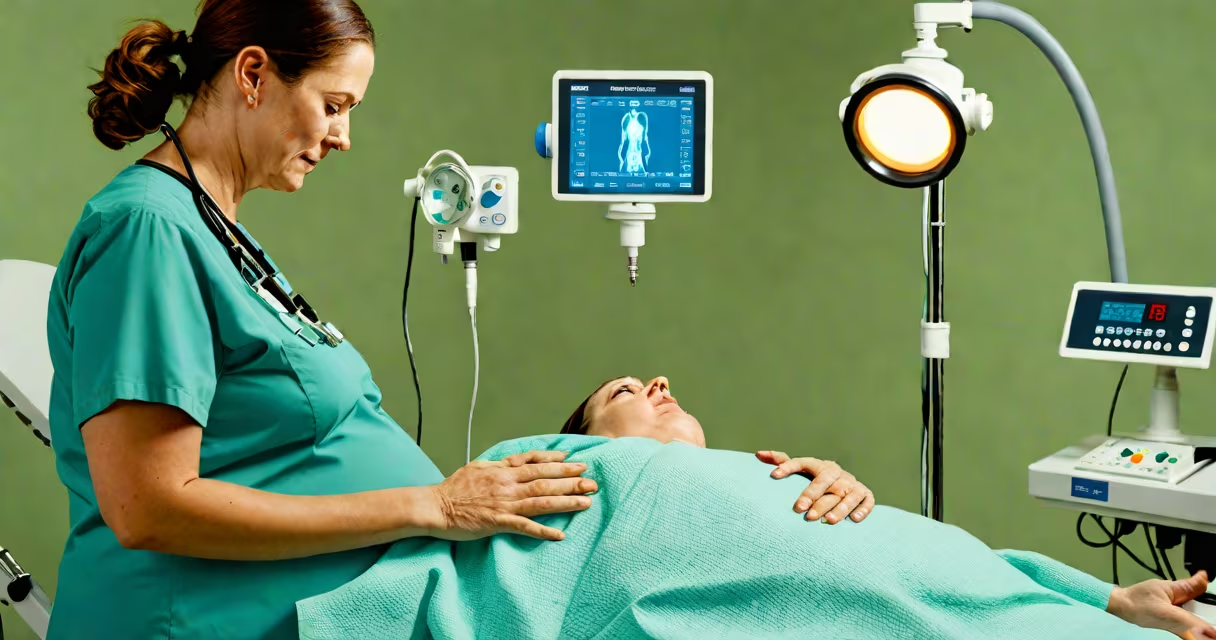
Sepsis during pregnancy is a severe, life-threatening condition triggered by an infection that spreads through the bloodstream, leading to systemic inflammation and potential organ failure. It occurs in approximately 1 in 1,000 deliveries in the United States, according to the Centers for Disease Control and Prevention (CDC), and can develop during pregnancy, labor, or within 6 weeks postpartum.
When an infection-such as urinary tract infections, chorioamnionitis (infection of the amniotic sac), or postpartum wound infections-evades the immune system's control, it can initiate a cascade of biological responses. The body releases inflammatory chemicals to fight the invader, but in sepsis, this response becomes excessive and damages healthy tissues. This leads to widespread inflammation, blood clots, and impaired blood flow, which can result in tissue death and multi-organ dysfunction.
The risk of sepsis rises during pregnancy due to natural immunosuppression that helps prevent rejection of the fetus. This physiological adaptation increases vulnerability to infections that might otherwise be contained. Without timely intervention, sepsis can progress to septic shock-characterized by dangerously low blood pressure-and lead to death. Maternal mortality rates from sepsis remain higher than in non-pregnant populations, even in high-income countries.
Early signs of sepsis often mimic common pregnancy discomforts, making recognition difficult. A fever above 38°C (100.4°F), rapid heart rate (>90 beats per minute), and increased respiratory rate (>20 breaths per minute) are key warning signs. These symptoms may appear alongside confusion, dizziness, or decreased urine output-signs of declining organ function.
Common sources of infection include Group B Streptococcus (GBS) in the birth canal, urinary tract infections that ascend to the kidneys, and surgical site infections after cesarean delivery. Infections in the reproductive tract are particularly dangerous because they can spread quickly to the bloodstream. For example, chorioamnionitis, an infection of the fetal membranes, affects about 1-2% of pregnancies and raises the risk of maternal sepsis if untreated.
A 2021 study published in Obstetrics & Gynecology found that 60% of maternal sepsis cases were linked to infections acquired during labor or delivery. The study emphasized that delayed treatment-defined as more than four hours between symptom onset and antibiotic administration-doubled the risk of death. Early identification using standardized screening tools, such as the Modified Early Warning Score (MEWS), improves outcomes.
Not all infections lead to sepsis, but certain pathogens and conditions carry higher risks. The most frequent culprits include:
One non-obvious distinction: sepsis is not the same as a fever or infection alone. It is a systemic response to infection. A woman may have a UTI with a temperature of 38.2°C and still not have sepsis. But if she develops hypotension, altered mental status, or tachypnea, sepsis is likely. The World Health Organization (WHO) defines sepsis as "life-threatening organ dysfunction caused by a dysregulated host response to infection."
Many healthcare providers fail to recognize sepsis early because symptoms overlap with normal pregnancy changes. Fatigue, mild fever, and nausea are expected during gestation. As a result, sepsis is often misattributed to "normal" pregnancy fatigue or viral illness.
A 2020 review in The Lancet Global Health reported that nearly 40% of maternal sepsis cases in low-resource settings were missed during initial assessment. Even in high-income nations, delays in diagnosis occur. One case documented in the UK's National Maternity Review involved a woman who presented with a fever and abdominal pain after a vaginal delivery. She was initially diagnosed with postpartum hemorrhage. Only after her blood pressure dropped and she became confused was sepsis suspected. By then, she had developed acute kidney injury and required intensive care.
Another critical factor is that pregnant patients may underreport symptoms due to fear of being perceived as "overreacting." I observed this firsthand during a hospital rotation: a woman in her third trimester reported persistent chills and muscle aches for three days. Her provider dismissed them as viral. On day four, she arrived in the emergency department with septic shock. She survived after aggressive fluid resuscitation and broad-spectrum antibiotics, but her baby was delivered prematurely via emergency C-section.
If you experience a fever above 38°C, rapid breathing, confusion, or severe pain during pregnancy or postpartum, seek medical attention immediately. Do not wait for symptoms to worsen. Early treatment dramatically improves survival. Antibiotics should be administered within one hour of sepsis suspicion, per Surviving Sepsis Campaign guidelines.
For example, a woman presenting with a temperature of 39.1°C, heart rate of 118 bpm, and low urine output should be evaluated for sepsis. Blood cultures, lactate levels, and imaging (if needed) are part of the diagnostic workup. Treatment includes IV fluids, antibiotics tailored to the suspected pathogen, and close monitoring in an ICU if necessary.
Prevention is key. Routine prenatal care reduces infection risk. Screening for asymptomatic bacteriuria in the second trimester prevents ascending UTIs. Prophylactic antibiotics are recommended during cesarean sections. After delivery, monitoring for signs of infection-especially redness, swelling, or pus at incision sites-is essential.
Many assume sepsis only affects people with weakened immunity. This is false. Healthy pregnant women are at increased risk due to hormonal and physiological changes. Another myth is that sepsis only occurs after childbirth. It can begin during labor or even in the third trimester. A 2019 case series in BJOG: An International Journal of Obstetrics & Gynaecology documented sepsis developing in 12% of cases during labor, often due to undetected chorioamnionitis.
Some believe that antibiotics alone cure sepsis. They don't. Sepsis requires multidisciplinary management: antibiotics, fluid resuscitation, organ support, and sometimes surgery to remove infected tissue. Delaying treatment by even a few hours drastically increases mortality.
| Stage | Key Signs | Time to Treatment | Survival Rate (if treated) |
|---|---|---|---|
| Septic Shock | Blood pressure <90 mmHg, altered consciousness | Within 1 hour | 60-70% |
| Severe Sepsis | Organ dysfunction (e.g., low urine output, abnormal liver enzymes) | Within 4 hours | 75-80% |
| Mild Sepsis | Fever, tachycardia, tachypnea | Within 6 hours | 90% |
These statistics come from the Surviving Sepsis Campaign's 2021 guidelines. They show that timing matters-every hour counts.
Understanding what happens if you get sepsis while pregnant is not about fear. It's about awareness. Recognizing symptoms early and seeking immediate care can prevent irreversible damage. If you're pregnant or recently gave birth and feel unwell, trust your instincts. Go to the ER. Your life and your baby's life depend on it.