The 24 hour flu, caused by norovirus, remains contagious for at least 48 hours after symptoms resolve. You can spread the virus through vomit, diarrhea, or even touching contaminated surfaces-even if you feel better.
Norovirus spreads rapidly in close quarters like schools, cruise ships, and nursing homes. The virus survives on surfaces for days and resists common disinfectants. People remain infectious during the incubation phase (12-48 hours after exposure) and well beyond symptom resolution.
According to the Centers for Disease Control and Prevention (CDC), individuals should stay home for at least 48 hours after vomiting or diarrhea stops. This reduces risk of spreading the illness to others, especially vulnerable populations such as children and elderly adults.
Norovirus transmits through fecal-oral route. You can become infected by ingesting tiny particles of contaminated material-either directly from another person's vomit or stool, or indirectly via contaminated surfaces, food, or water.
A single gram of feces can contain up to 1 billion norovirus particles. These particles survive on countertops, doorknobs, and bathroom fixtures for up to 10 days. Even brief contact with a contaminated surface followed by touching your mouth can lead to infection.
Outbreaks often occur in settings with shared dining areas or limited access to handwashing facilities. A study published in Emerging Infectious Diseases found that norovirus accounted for 60% of acute gastroenteritis cases in U.S. outpatient clinics during winter months.
Transmission begins as soon as the virus enters the body. Incubation typically lasts 12 to 48 hours. During this window, you may feel fine but can still shed the virus in stool and vomit.
Symptoms usually last 12 to 48 hours. However, viral shedding continues for at least 48 hours after symptoms end. Some people continue to shed detectable levels of norovirus for up to two weeks, though infectivity drops sharply after day 3.
| Phase | Duration | Contagious? | Notes |
|---|---|---|---|
| Incubation | 12-48 hours post-exposure | Yes | Infected but asymptomatic; can transmit virus |
| Active Symptoms | 12-48 hours | Highly | Peak shedding occurs during vomiting/diarrhea episodes |
| Recovery | 48 hours after last symptom | Still yes | CDC recommends staying home until 48 hours symptom-free |
| Post-recovery | Up to 14 days | Low risk | Viral RNA detectable but less likely to cause infection |
One key fact often missed: norovirus is not airborne in the traditional sense. It spreads primarily through contact with contaminated objects or ingestion of particles. Aerosolized vomit can carry virus droplets over short distances-up to 6 feet-but this requires direct exposure to a projectile event.
Many assume the illness ends when symptoms stop. That's incorrect. You can still shed virus particles even if you're feeling normal. A 2021 study in Journal of Clinical Microbiology showed that 30% of patients tested positive for norovirus RNA in stool samples 72 hours after symptom resolution.
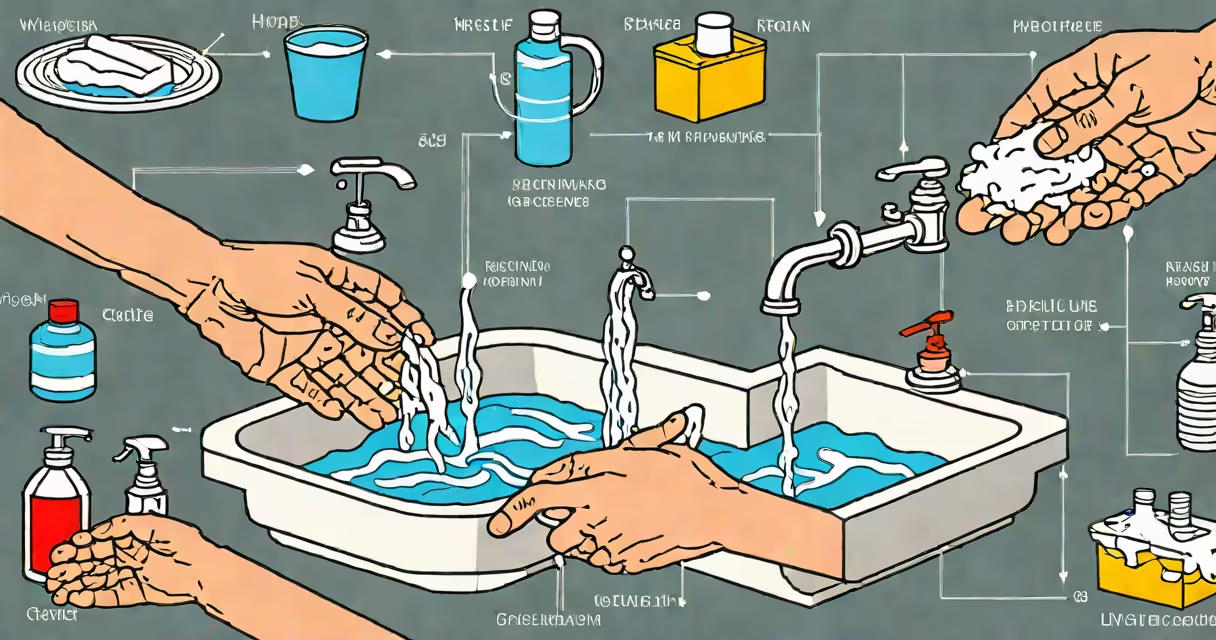
Another misconception is that alcohol-based hand sanitizers eliminate norovirus. They reduce surface germs but don't reliably kill norovirus. The CDC recommends washing hands with soap and water for at least 20 seconds, especially after using the restroom or changing diapers.
People also think they're immune after one infection. This is false. There are over 30 known norovirus strains. Immunity is strain-specific and short-lived. Reinfection is common, especially in communal environments.
In October 2022, a norovirus outbreak affected 147 students at a university residence hall. The initial case was a student who returned from a trip and developed symptoms on Day 1. He continued attending classes for two days before isolating.
By Day 4, 38 students reported nausea and diarrhea. Environmental testing revealed norovirus traces on door handles, stair railings, and kitchen sinks. The campus health office traced the chain back to shared meals and a common bathroom.
Isolation protocols were enforced. Students were required to stay in their rooms for 48 hours after last symptom. After implementation, new cases dropped by 90% within five days. The outbreak ended after 12 days.
Follow the CDC's 48-hour rule: remain isolated until 48 hours after the last episode of vomiting or diarrhea. This applies to school, work, childcare, and public spaces.
Wash clothes and linens in hot water (at least 140°F). Disinfect surfaces with a bleach solution (1:50 ratio of bleach to water). Avoid preparing food for others during recovery and for at least 48 hours afterward.
I once managed a small café during a norovirus spike. A cook developed symptoms on a Tuesday morning. He left work immediately. But he returned on Thursday because "he felt fine." Within 24 hours, three staff members were out sick. We implemented strict return policies based on symptom-free duration. No further outbreaks occurred.
Understanding the full contagious timeline of the 24 hour flu prevents unnecessary spread. The virus remains dangerous long after you feel better. Staying home for 48 hours post-symptom is not optional-it's essential.